

Customs Clearance Freight China Europe USA UK: 2026 Guide
Navigating the complexities of international trade requires a comprehensive strategy for managing customs clearance freight china europe usa uk. As global supply chains become more intricate in 2026, businesses must prioritize efficient logistics to maintain a competitive edge. By understanding the specific requirements for different regions, importers can avoid unnecessary delays and reduce overhead expenses. To begin optimizing your logistics network, visit Alibaba Freight for expert guidance and tailored shipping solutions.

What Is Customs Clearance Freight China Europe USA UK?
Customs clearance freight china europe usa uk refers to the mandatory process of passing goods through the customs authority of various nations. This procedure ensures that all imported items comply with local regulations and that all relevant taxes are paid in full. Furthermore, the process involves the submission of specific documentation, such as commercial invoices and packing lists, to verify the nature of the cargo.
In 2026, the integration of digital customs platforms has significantly altered how businesses approach this task. Consequently, logistics providers now utilize advanced software to submit electronic declarations long before the vessel arrives at the destination port. This proactive approach helps in identifying potential issues early, thereby streamlining the entire supply chain and reducing transit times.
Moreover, different regions have distinct rules regarding de minimis values and restricted items. For instance, shipping to the United States requires adherence to Section 321 regulations for low-value goods, while the European Union maintains strict VAT rules for all imports. Understanding these nuances is essential for any business engaged in cross-border trade between China and these major economic hubs.
How Does Sea Freight Compare to Other Shipping Options?
Evaluating the best transport mode is a critical decision for any importer managing customs clearance freight china europe usa uk routes. While sea freight remains the most cost-effective solution for large volumes, it typically involves the longest transit times. Conversely, air freight offers unmatched speed but comes at a significantly higher price point, making it suitable only for high-value or time-sensitive cargo.
Rail freight has emerged as a viable middle ground for shipments moving between China and Europe. This method provides a faster alternative to ocean transport while remaining more affordable than air transit. Additionally, express services are ideal for small parcels that require door-to-door delivery with minimal administrative hassle for the shipper.
Specifically, businesses must weigh the trade-offs between cost and speed based on their inventory requirements. For example, a company launching a new product might choose air freight for the initial batch to meet market demand, followed by sea freight for subsequent restocks to optimize the bottom line.
| Shipping Method | Cost Range | Transit Time | Best For |
|---|---|---|---|
| Sea Freight (FCL) | $1,500 – $6,000 | 14 – 40 Days | Bulk goods and large volumes |
| Air Freight | $5.00 – $12.00/kg | 3 – 7 Days | High-value or urgent items |
| Rail Freight | $1,200 – $2,800 | 18 – 25 Days | China to Europe mid-size cargo |
| Express Service | $8.00 – $15.00/kg | 2 – 5 Days | Samples and small documents |
Why Is Professional Customs Brokerage Essential?
Managing international regulations can be an overwhelming task for many businesses. Therefore, utilizing a professional customs brokerage service is often the most prudent strategy to ensure compliance. These experts possess deep knowledge of HS codes, duty rates, and local import laws that vary significantly between the USA, UK, and Europe.
Errors in documentation can lead to severe consequences, including heavy fines and seized shipments. Moreover, a dedicated broker can help identify opportunities for duty drawbacks or tax exemptions that might otherwise be overlooked. By entrusting this process to specialists, companies can focus on their core operations while ensuring their goods move across borders without interruption.
In addition, brokers act as a liaison between the shipper and government agencies. They handle the complex communication required during inspections or audits, providing peace of mind to the importer. Without a doubt, the investment in professional brokerage services pays for itself through the avoidance of delays and the optimization of tax liabilities.
Shipping from China to North America: Key Considerations
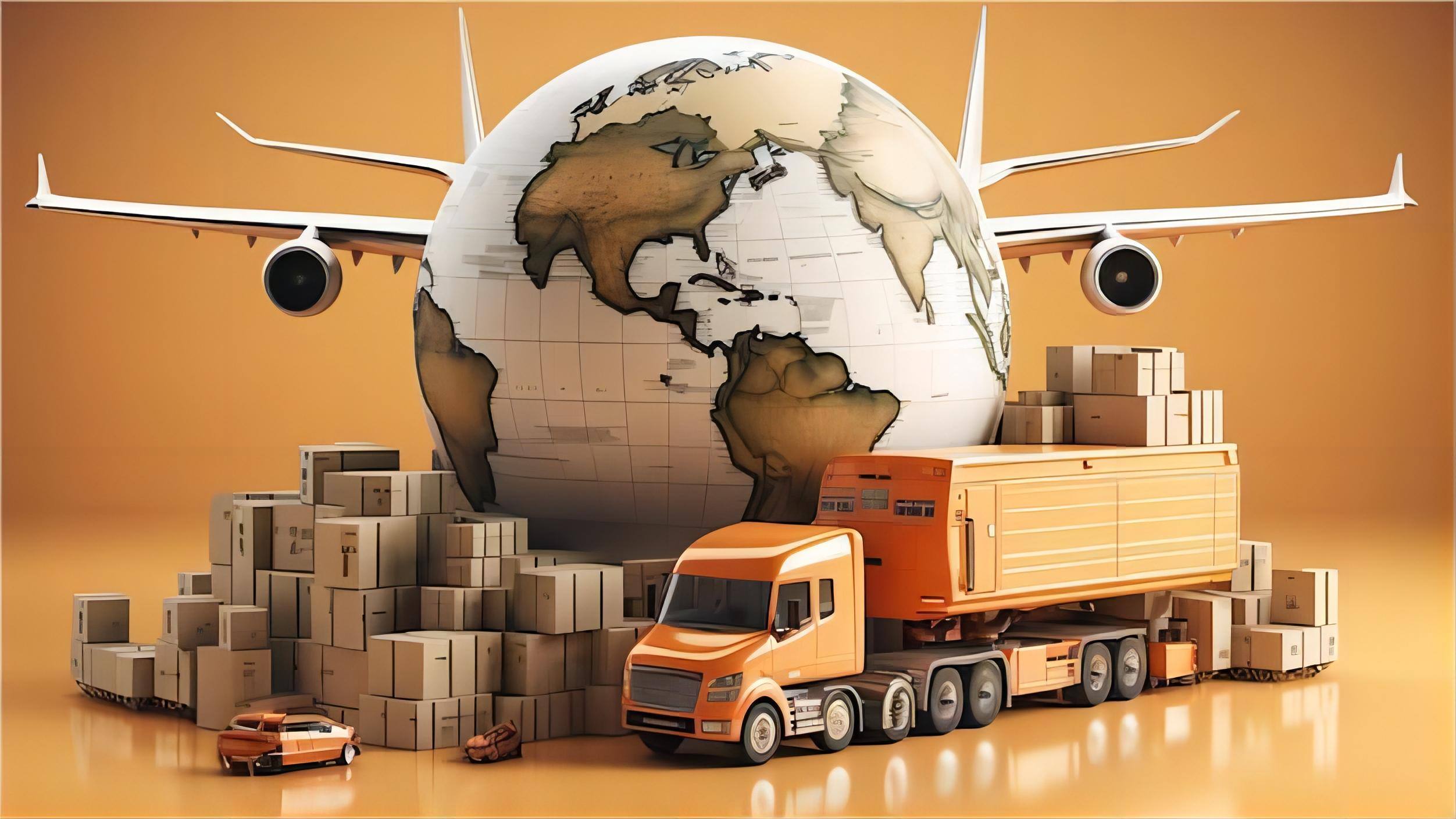
The trade route for North America is one of the busiest in the world, requiring precise coordination. Importers must be aware of the Importer Security Filing (ISF) requirements for US-bound sea cargo, which must be submitted 24 hours before loading. Failure to comply with this ’10+2′ rule can result in significant penalties from US Customs and Border Protection.
Transit times to the US West Coast are generally shorter than to the East Coast. For instance, shipping to Los Angeles might take 14 to 18 days, whereas New York could require over 30 days via the Panama Canal. Consequently, choosing the right port of entry can drastically impact your total delivery schedule and inland haulage costs.
Furthermore, the US has specific bonding requirements for all commercial imports. Whether you choose a single-entry bond or a continuous bond depends on your annual shipping frequency. Indeed, a continuous bond is usually more economical for businesses planning more than three shipments per year, as it covers all entries at any US port.
Navigating Logistics to Europe and the UK
Shipping goods for Europe involves navigating the unique requirements of the European Union and the post-Brexit regulations of the United Kingdom. Since the UK left the EU, businesses must manage separate customs declarations for each region. This change has increased the administrative burden on shippers who distribute goods across both markets.
VAT regulations in Europe have also become more stringent, particularly for e-commerce sellers. The Import One-Stop Shop (IOSS) system allows for simplified VAT collection on low-value goods, but larger shipments still require standard VAT deferment accounts or immediate payment. Additionally, obtaining an Economic Operators Registration and Identification (EORI) number is a prerequisite for trading in these regions.
Rail freight remains a popular choice for European destinations due to its balance of speed and cost. This method connects major Chinese hubs like Chengdu and Xi’an directly to European cities like Duisburg and Warsaw. Meanwhile, sea freight to major ports like Rotterdam or Hamburg continues to be the backbone of large-scale industrial imports.
Which Option Should You Choose? Decision Framework
Selecting the right logistics strategy depends on several factors, including budget, urgency, and the nature of the goods. If your primary goal is cost reduction and you have flexible timelines, sea freight is the logical choice. However, if you are shipping perishable items or high-tech electronics with short lifecycles, air freight is the only viable option.
Volume thresholds also play a significant role in the decision-making process. For shipments under 15 CBM, Less than Container Load (LCL) shipping is often more economical. On the other hand, once your volume exceeds 15 CBM, booking a Full Container Load (FCL) becomes more cost-effective due to the flat rate per container.
Hybrid solutions, such as sea-air or rail-sea combinations, offer alternative strategies for those seeking a balance. For example, shipping by sea from China to Dubai and then by air to Europe can save time compared to a full sea route while remaining cheaper than direct air freight. Evaluating these trade-offs is essential for maintaining an agile supply chain.

Case Study 1: Electronics from Shenzhen to Los Angeles
Route: Shenzhen, China to Los Angeles, USA. Cargo: Consumer Electronics, 68 CBM, 12,500 kg. Container: 1 x 40HQ. Shipping Method: Sea Freight via Major Carrier. Port of Loading: Shenzhen. Port of Discharge: Los Angeles. Route Type: Direct.
Cost Breakdown: Ocean Freight: $3,200. Origin Charges: $450. Destination Charges: $600. Customs and Duties: $4,500. Total Landed Cost: $8,750. Timeline: Booking to Loading: 3 days. Sea Transit: 16 days. Customs Clearance: 2 days. Total Door-to-Door: 21 days.
Key Insight: Utilizing a direct route to the West Coast saved the client 14 days compared to an East Coast discharge. Based on Q1 2026 market rates, this was the most efficient method for high-volume consumer goods.
Case Study 2: Textiles from Ningbo to Felixstowe
Route: Ningbo, China to Felixstowe, UK. Cargo: Apparel and Textiles, 8 CBM, 2,200 kg. Container: LCL. Shipping Method: Sea Freight. Port of Loading: Ningbo. Port of Discharge: Felixstowe. Route Type: Transshipment via Singapore.
Cost Breakdown: Ocean Freight: $950. Origin Charges: $200. Destination Charges: $350. Customs and Duties: $1,200. Total Landed Cost: $2,700. Timeline: Booking to Loading: 5 days. Sea Transit: 35 days. Customs Clearance: 3 days. Total Door-to-Door: 43 days.
Key Insight: LCL was chosen to minimize costs for a smaller inventory restock. Although the transit time was longer due to transshipment, the savings in freight costs improved the client’s profit margin significantly.
Case Study 3: Industrial Parts from Shanghai to Hamburg
Route: Shanghai, China to Hamburg, Germany. Cargo: Precision Machinery Parts, 25 CBM, 8,000 kg. Container: 1 x 20GP. Shipping Method: Rail Freight. Port of Loading: Shanghai (via Xi’an terminal). Port of Discharge: Hamburg. Route Type: Direct Rail.
Cost Breakdown: Rail Freight: $2,400. Origin Charges: $300. Destination Charges: $400. Customs and Duties: $2,100. Total Landed Cost: $5,200. Timeline: Booking to Loading: 4 days. Rail Transit: 20 days. Customs Clearance: 2 days. Total Door-to-Door: 26 days.
Key Insight: Rail freight provided a critical middle ground for the client, who needed the parts faster than sea freight could deliver but could not justify the $12,000 cost of air freight.
Cost-Saving Strategies for Global Logistics
Reducing expenses in customs clearance freight china europe usa uk requires a multifaceted approach. One effective method is to consolidate multiple small shipments into a single larger one to take advantage of FCL rates. Additionally, optimizing your packaging to reduce wasted space can lower both freight costs and material expenses.
Another strategy involves choosing door to door services that include all-inclusive pricing. This approach eliminates hidden fees and provides better budget predictability. Furthermore, maintaining accurate product classifications ensures you are not overpaying on import duties due to incorrect HS codes.
Implementing a robust inventory management system can also help you avoid peak season surcharges. By planning your shipments during off-peak months, you can secure lower rates and avoid the congestion often seen in late Q3 and early Q4. Ultimately, proactive planning is the most effective way to control logistics expenditures.
Trends Shaping International Freight in 2026
Technology continues to revolutionize the logistics industry, with blockchain and AI leading the way. These tools provide enhanced supply chain visibility, allowing shippers to track their cargo in real-time across multiple borders. Moreover, automated customs filing systems are reducing the likelihood of human error in documentation.
Sustainability has also become a major focus for carriers and shippers alike. Many companies are now opting for ‘green’ shipping routes that utilize biofuels or electric-powered vessels to reduce their carbon footprint. Consequently, logistics providers who offer eco-friendly options are gaining a competitive advantage in the global market.
Finally, regional trade agreements continue to evolve, impacting duty rates and import quotas. Staying informed about these geopolitical shifts is crucial for businesses to adapt their sourcing strategies. As we move through 2026, the ability to pivot quickly in response to new regulations will be a defining characteristic of successful international traders.
Transit Time by Destination Table
The following table provides an overview of typical transit times for various routes and methods. Please note that these are estimates and can be affected by weather, port congestion, and seasonal demand. Always consult with your logistics provider for the most current schedules.
| Destination | Sea (Days) | Rail (Days) | Air (Days) |
|---|---|---|---|
| USA West Coast | 14 – 18 | N/A | 3 – 5 |
| USA East Coast | 28 – 35 | N/A | 4 – 6 |
| UK (Felixstowe) | 30 – 38 | 22 – 28 | 3 – 7 |
| Germany (Hamburg) | 28 – 35 | 18 – 25 | 3 – 5 |
Final Thoughts on Global Freight Management
Successfully managing customs clearance freight china europe usa uk is a cornerstone of modern international business. By choosing the right transport mode, utilizing professional brokerage, and staying updated on regional regulations, you can ensure your goods move efficiently across the globe. Transitioning to a more data-driven and proactive logistics strategy will not only save costs but also enhance your brand’s reliability.
As market conditions continue to fluctuate in 2026, flexibility remains your greatest asset. Whether you are shipping to North America, Europe, or the UK, having a trusted partner to navigate the complexities of customs and freight is invaluable. Start optimizing your routes today to secure a more profitable future in the global marketplace.
Need a tailored shipping solution?
Streamline your global supply chain today by partnering with experts who understand the intricacies of customs clearance freight china europe usa uk. Whether you need sea, air, or rail solutions, our team is ready to provide a tailored quote that meets your specific business needs. Visit our inquiry page to get started. Send Inquiry: https://alibabafreight.com/contact-us/