
Container Shipping China to France Freight: 2026 Logistics Guide
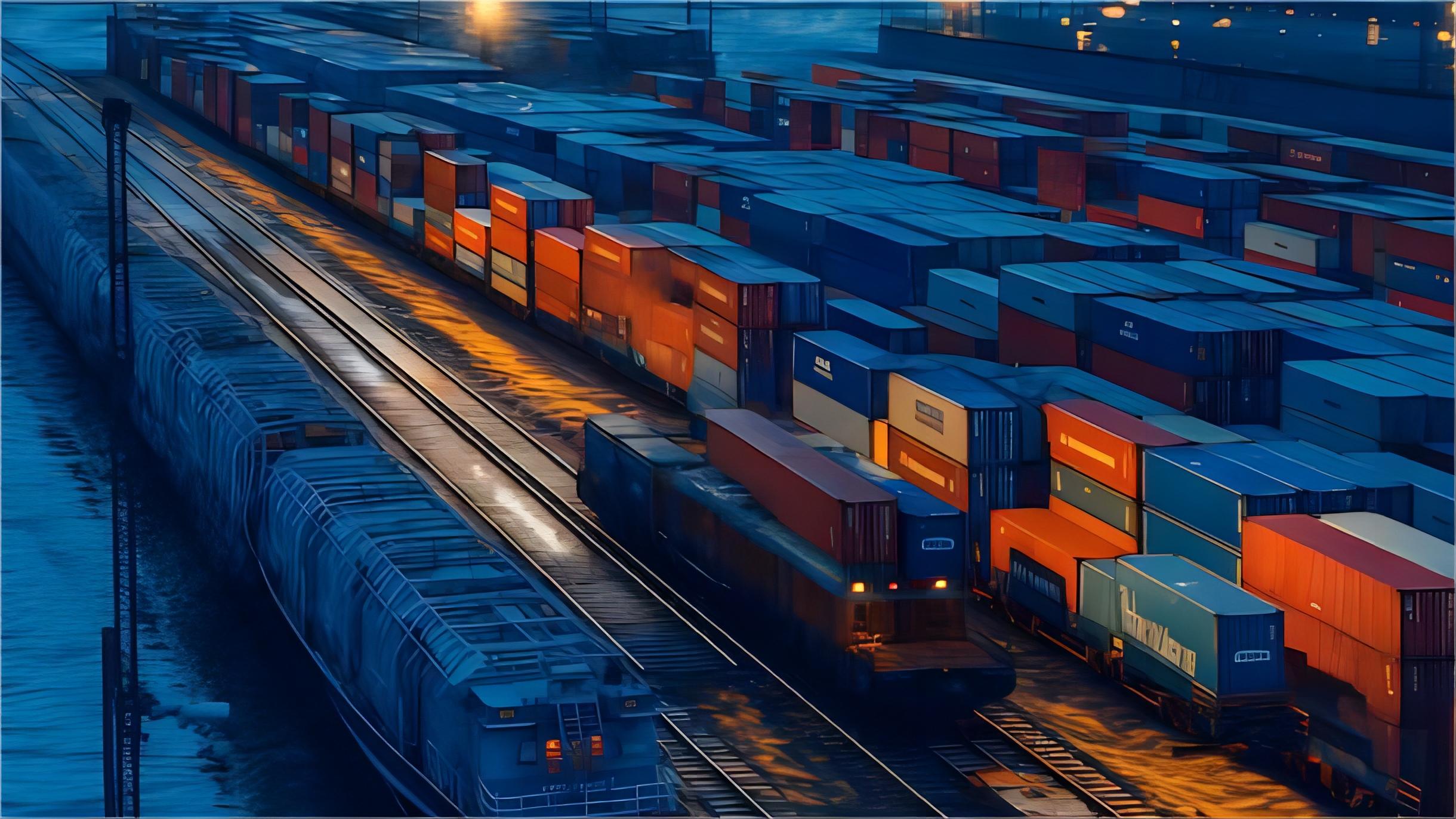
Navigating the complexities of container shipping China to France freight requires a strategic approach to balance cost and speed in 2026. Importers often face challenges with fluctuating rates and varying transit times across different transport modes. You can find comprehensive logistics support at DSV-Freight to streamline your international supply chain operations. This guide provides actionable insights into the current market landscape, helping you make informed decisions for your cargo.

How Does Sea Freight Compare to Other Shipping Options?
Evaluating different transport modes is essential for maintaining a competitive edge in the French market. While sea freight remains the most popular choice for large volumes, alternatives like rail and air offer distinct advantages depending on your specific needs. Consequently, understanding the trade-offs between cost, speed, and reliability is the first step in optimizing your logistics strategy.
Sea freight offers the lowest cost per unit, making it ideal for non-urgent shipments. In contrast, air freight provides unparalleled speed for high-value or perishable goods. Meanwhile, rail freight has emerged as a reliable middle ground, offering faster transit than sea at a fraction of the cost of air. Therefore, businesses must analyze their inventory requirements and budget constraints before selecting a primary shipping method.
Moreover, hybrid solutions such as sea-air or rail-sea combinations are gaining traction in 2026. These strategies allow shippers to bypass congestion at major hubs while keeping expenses manageable. Indeed, many companies now use a mix of methods to hedge against potential disruptions in the global supply chain.
| Shipping Method | Cost Range | Transit Time | Best For | Limitations |
|---|---|---|---|---|
| Sea Freight (FCL) | $3,000 – $4,200 | 30 – 40 Days | Bulk goods | Long transit |
| Rail Freight | $4,500 – $6,000 | 18 – 24 Days | Medium value | Route limits |
| Air Freight | $8,000 – $15,000 | 5 – 8 Days | Urgent cargo | High cost |
| LCL Sea Freight | $80 – $150/CBM | 35 – 45 Days | Small parcels | Handling risk |
Understanding Container Shipping China to France Freight Rates
Fluctuations in global energy prices and carrier capacity directly impact the cost of shipping to Europe. Specifically, sea freight rates for the China-France route have stabilized in early 2026 following previous market volatility. Nevertheless, seasonal peaks during the Golden Week and before the Lunar New Year still cause temporary price surges.
Carriers often implement General Rate Increases (GRI) during periods of high demand. Consequently, booking your space at least four weeks in advance is highly recommended to secure better rates. Furthermore, choosing between different container sizes like 20GP, 40GP, or 40HQ can significantly influence your total landed cost.
Additionally, bunker adjustment factors and currency fluctuations remain key variables in the final invoice. Therefore, always request an all-in quote that includes surcharges to avoid unexpected expenses. Market data suggests that rates for a 40HQ container currently hover between $3,500 and $4,500 depending on the departure port.
| Container Type | Typical Price | Capacity (CBM) | Max Weight |
|---|---|---|---|
| 20GP Container | $1,800 – $2,500 | 33 CBM | 28,000 kg |
| 40GP Container | $3,200 – $4,200 | 67 CBM | 26,000 kg |
| 40HQ Container | $3,500 – $4,500 | 76 CBM | 26,000 kg |
FCL vs LCL: Which Method Should You Choose?
Selecting the right loading method is crucial for balancing security and expenditure. Full Container Load (FCL) involves renting an entire container for your goods, which reduces handling and speeds up the process. On the other hand, Less than Container Load (LCL) allows you to share space with other shippers, making it cost-effective for smaller volumes.
FCL is generally preferred for shipments exceeding 15 cubic meters. Without a doubt, the reduced risk of damage and faster transit times justify the cost for larger loads. However, for startups or small businesses moving limited stock, LCL remains the most accessible entry point into international trade.
Moreover, LCL shipments require consolidation at the origin and deconsolidation at the destination. This extra step can add 5 to 7 days to the overall transit time. Consequently, if your delivery schedule is tight, FCL might be the better option even if the container is not completely full.
Major Ports and Transit Times for French Imports
France boasts several major maritime gateways that handle the bulk of Asian imports. The Port of Le Havre is the primary entry point for northern France and Paris, offering extensive hinterland connections. Meanwhile, Marseille-Fos serves as the main hub for the Mediterranean region and southern Europe.
Transit times vary based on the specific route and carrier used. For instance, direct services from Shanghai to Le Havre typically take around 32 days. In contrast, shipments involving transshipment in hubs like Singapore or Algeciras may take up to 40 days.
Utilizing air freight can bypass these long ocean journeys entirely. While sea routes are cost-effective, air transport into Charles de Gaulle Airport ensures your products reach the market within a week. This speed is essential for high-fashion items or urgent industrial components.
The Role of Rail Freight in Modern Supply Chains
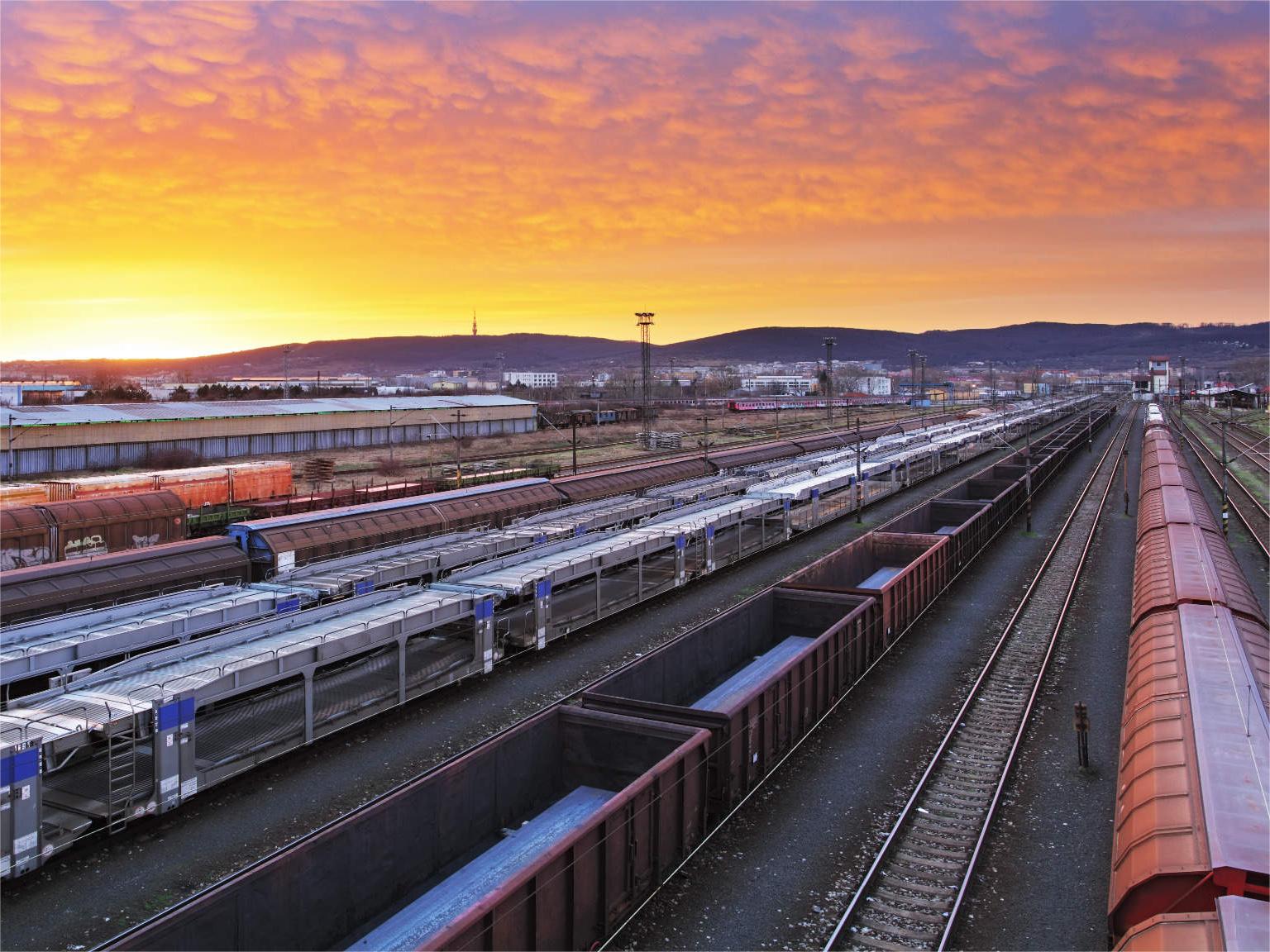
Rail transport has become an increasingly viable alternative for container shipping China to France freight. The New Silk Road connects major Chinese industrial hubs directly to European rail terminals. Consequently, rail freight offers a transit time of 18 to 22 days, which is nearly twice as fast as sea freight.
Cost-wise, rail is more expensive than ocean transport but significantly cheaper than air. Therefore, it serves as an excellent contingency plan when sea ports are congested or when inventory levels are low. Furthermore, rail transport is often considered more environmentally friendly than air freight, aligning with modern sustainability goals.
Notably, many French companies are integrating rail into their regular delivery schedules. This shift allows for more frequent, smaller shipments compared to massive ocean voyages. As a result, businesses can maintain leaner inventory levels and improve their cash flow.
Customs Brokerage and Import Documentation
Navigating the French customs landscape requires meticulous attention to detail and accurate paperwork. Every shipment must be accompanied by a commercial invoice, packing list, and a Bill of Lading. Additionally, certain products may require specific certificates of origin or safety compliance documents.
Engaging a professional customs brokerage service is often the best way to avoid administrative hurdles. These experts ensure that your goods are classified under the correct HS codes, which determines the applicable duty rates. Consequently, proper classification can lead to significant tax savings and faster clearance.
Importing into the EU also involves paying Value Added Tax (VAT) and potential anti-dumping duties. Without a doubt, failing to prepare for these costs can lead to cargo being held at the port. Therefore, conducting a thorough landed cost analysis before the ship leaves China is a vital business practice.
| Document Name | Purpose | Required By | Timing |
|---|---|---|---|
| Bill of Lading | Title of goods | Customs/Carrier | At departure |
| Commercial Invoice | Value declaration | Customs | Pre-arrival |
| Packing List | Cargo details | Warehouse/Customs | Pre-arrival |
| EORI Number | Importer ID | EU Customs | Permanent |
Maximizing Efficiency with Door to Door Services
Streamlining the logistics chain from start to finish reduces the burden on your internal team. By utilizing door to door solutions, you ensure that a single provider manages every step of the journey. This includes factory pickup, international transport, customs clearance, and final delivery to your French warehouse.
Communication is significantly improved when dealing with one point of contact. Specifically, it eliminates the risk of information being lost between different freight forwarders and local truckers. Consequently, you gain better visibility over your shipment’s status and can provide more accurate updates to your customers.
Moreover, door-to-door services often include insurance and specialized handling for fragile items. Indeed, many importers find that the slightly higher service fee is offset by the time saved and the reduction in potential errors. It is a comprehensive approach for modern container shipping China to France freight.
Real-World Case Studies: China to France Logistics
Case Study 1: High-Tech Electronics from Shanghai to Le Havre. A French retailer needed to move 500 units of high-end tablets during the Q3 peak season. Route: Shanghai to Le Havre. Cargo: Electronics, 18 CBM. Container: 20GP. Shipping Details: Direct sea carrier. Ocean Freight: $2,100. Origin Charges: $350. Destination Charges: $420. Customs and Duties: $1,200. Total Landed Cost: $4,070. Sea Transit: 31 days. Total Door-to-Door: 38 days. Key Insight: Booking 5 weeks early saved the client 15% compared to spot rates.
Case Study 2: Industrial Machinery from Ningbo to Marseille. A manufacturing plant required urgent spare parts for a production line. Route: Ningbo to Marseille. Cargo: Steel components, 2,500 kg. Shipping Method: Rail Freight. Cost Breakdown: Rail Freight: $4,800. Customs and Handling: $650. Total Landed Cost: $5,450. Timeline: Booking to Loading: 3 days. Rail Transit: 20 days. Customs Clearance: 2 days. Total Door-to-Door: 25 days. Key Insight: Rail was selected over air to save $6,000 while still beating the sea transit by two weeks.
Case Study 3: Fashion Apparel from Shenzhen to Paris. A boutique brand imported seasonal clothing for the winter launch. Route: Shenzhen to Paris CDG. Cargo: Textile, 800 kg. Shipping Method: Air Freight. Total Landed Cost: $7,200. Timeline: Total Door-to-Door: 6 days. Key Insight: Air freight ensured the collection hit the shelves exactly on the launch date, preventing lost sales revenue.
Decision Framework: Which Option Should You Choose?
Selecting the best shipping strategy depends on your primary business objectives. If your priority is budget and you have high-volume cargo, sea freight is the logical choice. However, if speed is the main driver for your supply chain, air freight is the only viable option despite the higher expense.
For shipments that require a balance, rail freight offers a compelling value proposition. Specifically, if your cargo volume is between 10 and 20 CBM and you need it within three weeks, rail is often the most efficient path. Additionally, consider LCL for smaller test markets where you don’t want to commit to a full container.
Always evaluate the total landed cost rather than just the freight rate. This includes duties, taxes, and local delivery fees which can significantly impact your margins. To summarize, a diversified shipping strategy using multiple modes often provides the best resilience against market fluctuations.
Final Thoughts on Shipping from China to France
Mastering container shipping China to France freight involves more than just finding the lowest price. It requires a deep understanding of transit times, customs regulations, and the various transport modes available in 2026. By choosing the right mix of sea, rail, and air services, you can build a more resilient and cost-effective supply chain.
Remember that proactive planning and working with experienced logistics partners are the keys to avoiding common pitfalls. As the market continues to evolve, staying informed about industry trends and port conditions will help you maintain a competitive edge in the French marketplace. Start your journey today by requesting a comprehensive freight analysis for your business.
Need a tailored shipping solution?
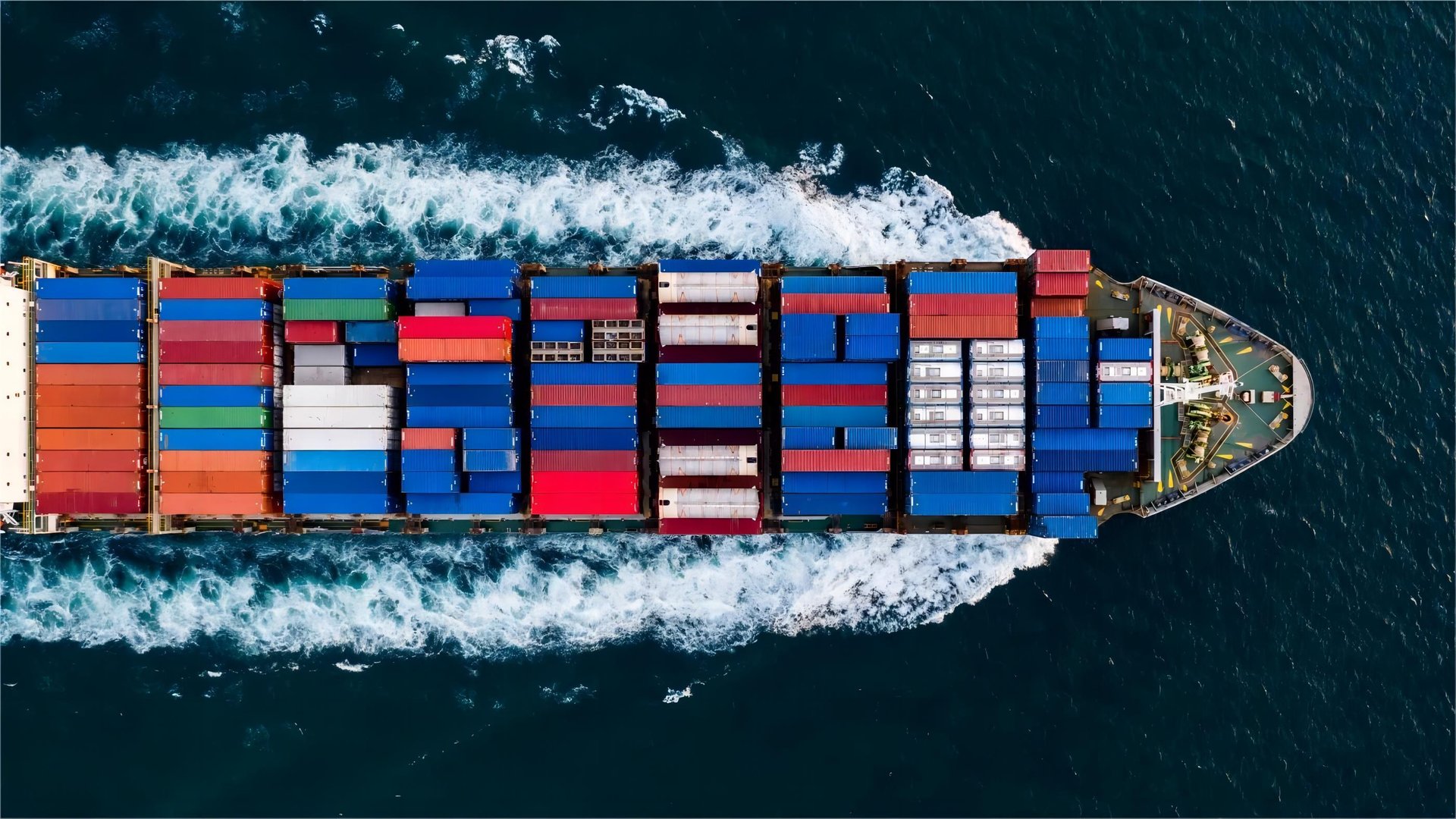
Optimizing your container shipping China to France freight is essential for business growth in 2026. Whether you need the speed of air or the economy of sea, our team is ready to provide a tailored quote for your next shipment. Contact us today to secure the best market rates and ensure your cargo arrives on schedule. Visit our inquiry page to get started with a professional logistics consultation.
Frequently Asked Questions
What is the cheapest way to ship a container from China to France?
How long does sea freight take from Shanghai to Le Havre?
Is rail freight from China to France currently available?
What documents are needed for French customs clearance?
How are shipping costs calculated for LCL shipments?
Can I ship hazardous materials in a standard container?
What is the difference between 40GP and 40HQ containers?
Does air freight include door-to-door delivery in France?