
China Warehouse Fulfillment Global Ecommerce Logistics: 2026 Strategy Guide
The modern digital marketplace demands unprecedented speed and efficiency from sellers across the globe. Consequently, implementing a strategy for china warehouse fulfillment global ecommerce logistics has become a necessity for brands looking to remain competitive in 2026. By positioning inventory closer to the point of manufacture, businesses can significantly reduce overhead while accelerating their distribution timelines. Discover how alibabafreight.com can transform your international operations through integrated logistics solutions tailored for the current market.

What is China Warehouse Fulfillment Global Ecommerce Logistics?
In the context of 2026, this logistics model involves storing products in strategically located facilities within China before they are shipped directly to international customers. Furthermore, it integrates warehousing, order processing, and international shipping into a single, cohesive workflow.
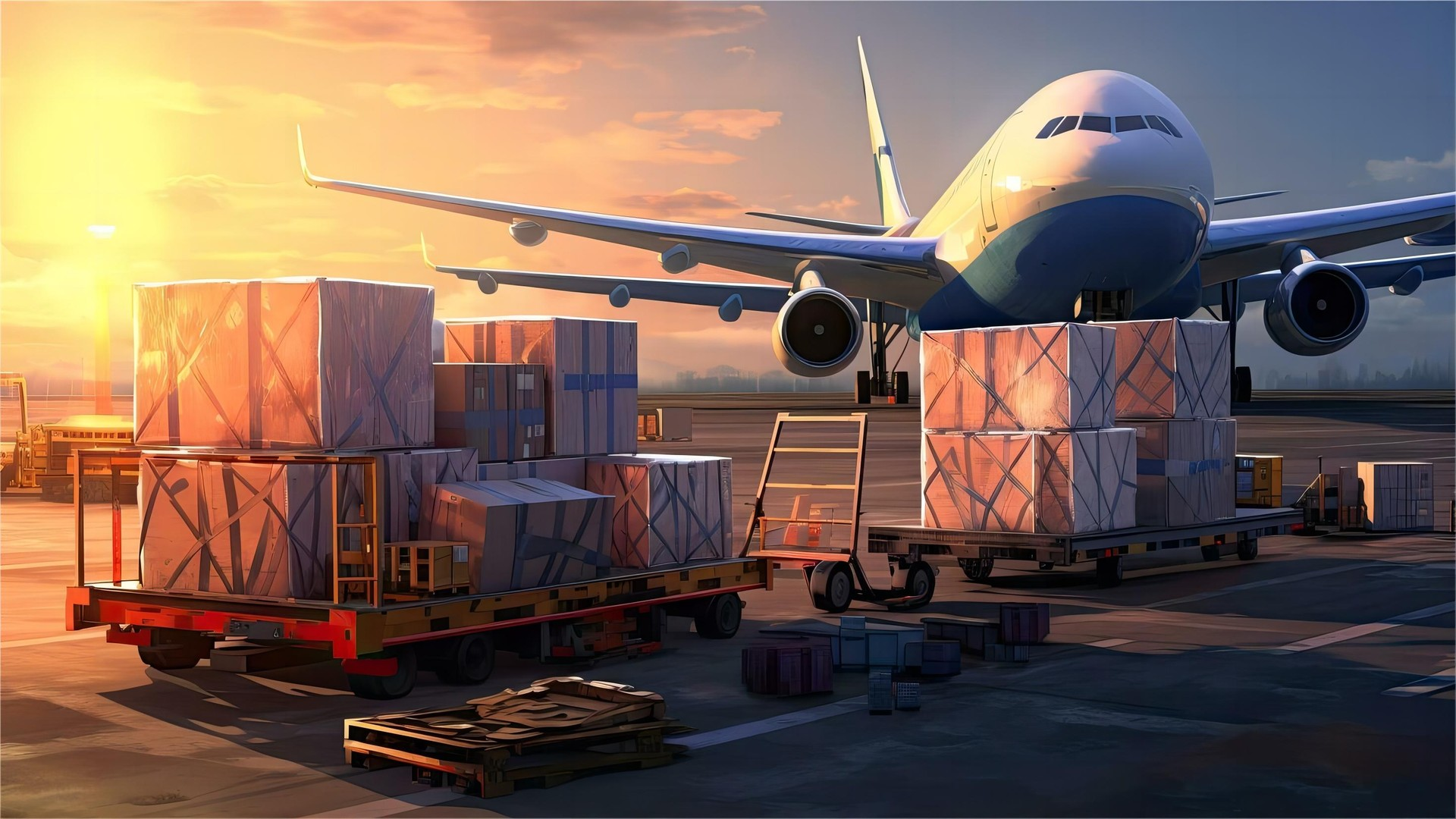
Typically, this approach allows sellers to leverage the massive manufacturing infrastructure of China to streamline their supply chain. Instead of shipping bulk inventory to local warehouses in the destination country, brands can fulfill orders individually or in smaller batches.
Moreover, advanced inventory management systems now provide real-time visibility across the entire process. This technological integration ensures that stock levels are optimized and order accuracy remains high even during peak shopping seasons.
Indeed, the rise of cross-border e-commerce has made this model the preferred choice for many growing brands. It offers a balance between low storage costs and the flexibility needed to respond to shifting market demands quickly.
How Does China Warehouse Fulfillment Compare to Other Shipping Options?
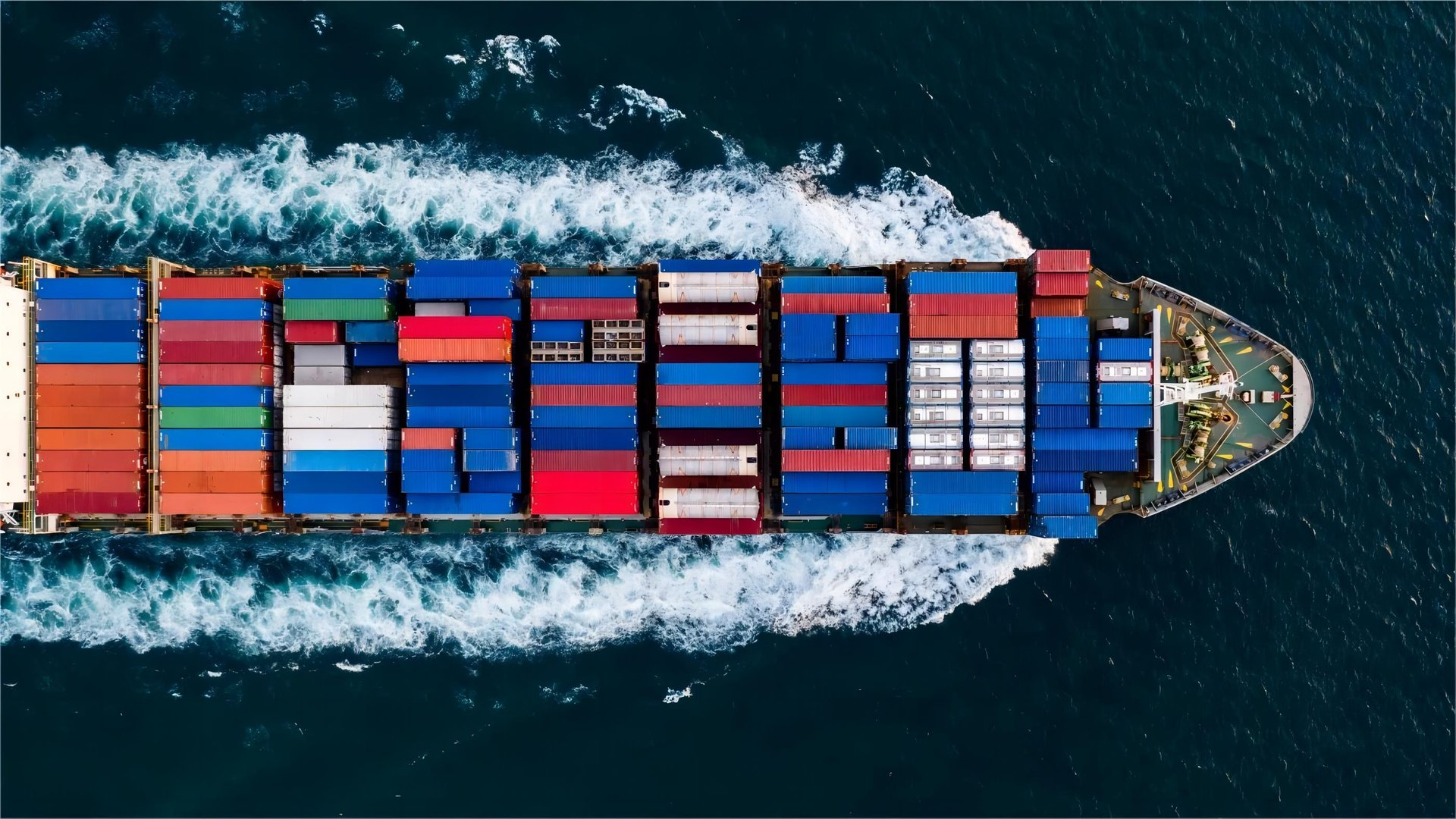
When evaluating your logistics strategy, it is essential to compare different transport modes based on cost, speed, and reliability. For example, sea freight remains the most economical choice for high-volume shipments that are not time-sensitive.
In contrast, air transport offers the fastest transit times but comes with a significantly higher price tag. Meanwhile, rail options have become increasingly popular for shipments heading to Europe, offering a middle ground in terms of both cost and speed.
Specifically, the choice between these methods depends on your specific product margins and customer expectations. A brand selling lightweight electronics may prefer air express, while a furniture retailer will almost always choose ocean containers.
Consequently, many businesses now adopt a hybrid approach. They use slower, cheaper methods for baseline stock and faster methods for high-demand items or restocks.
| Shipping Method | Cost Range | Transit Time | Best For |
|---|---|---|---|
| Sea Freight (FCL/LCL) | $1,200 – $4,500 | 25 – 40 Days | Bulk inventory and heavy goods |
| Air Freight | $5.00 – $12.00/kg | 3 – 7 Days | High-value or urgent items |
| Rail Freight | $1,800 – $3,000 | 15 – 22 Days | Shipments to Europe and Central Asia |
| Express Courier | $8.00 – $15.00/kg | 2 – 5 Days | Small parcels and samples |
Why Brands Choose China-Based Fulfillment in 2026
Proximity to the factory is perhaps the most significant advantage of using a Chinese fulfillment center. Because products move directly from the production line to the warehouse, transit times within the supply chain are virtually eliminated.
Additionally, labor and storage costs in China remain more competitive than in North America or Western Europe. This allows e-commerce businesses to reinvest their savings into marketing or product development.
Furthermore, many warehouses in major hubs like Shenzhen or Ningbo are now fully automated. These facilities use robotics and AI to handle thousands of orders per hour with minimal human intervention.
As a result, the risk of errors in the picking and packing process is greatly reduced. This level of efficiency is vital for maintaining high customer satisfaction ratings on platforms like Amazon or Shopify.
Integrating Amazon FBA with China Logistics
For many sellers, the goal is to get products into the Amazon FBA network as efficiently as possible. China-based fulfillment centers often serve as a staging area where goods are inspected and labeled according to Amazon’s strict requirements.
Moreover, shipping directly from China to FBA warehouses can bypass the need for an intermediate warehouse in the destination country. This direct-to-FBA model saves on double-handling fees and reduces the total time to market.
However, it is crucial to ensure that all packaging and documentation are perfect. Any errors in labeling can lead to rejected shipments at the Amazon receiving center, causing costly delays.
Therefore, working with a logistics provider that understands the nuances of FBA prep is essential. They can provide the necessary quality control checks before the goods ever leave Chinese soil.
The Role of Air Freight in Global Ecommerce
While sea freight handles the bulk of global trade, air freight is the backbone of the fast-fashion and consumer electronics industries. In 2026, air cargo capacity has stabilized, allowing for more predictable delivery schedules.
Indeed, for items with a high value-to-weight ratio, the speed of air transport justifies the expense. It allows brands to maintain lower inventory levels because they can restock their global warehouses in a matter of days.
Additionally, air shipping provides a higher level of security for sensitive items. The reduced handling and shorter transit times minimize the risk of damage or theft during the journey.
Nevertheless, businesses must stay informed about fuel surcharges and seasonal capacity fluctuations. Rates typically spike during the Q4 peak season, making early booking a critical strategy for cost management.
Navigating Customs and Compliance in 2026
International shipping is inherently complex due to varying regulations in different jurisdictions. Utilizing a professional customs brokerage service is the best way to ensure your shipments comply with all local laws.
Specifically, the digital transformation of customs processes has accelerated in 2026. Most documentation is now filed electronically, which has improved clearance times but also increased the need for data accuracy.
Furthermore, understanding the de minimis values in your target markets can help you save on duties and taxes. For example, many small parcels sent directly to consumers in certain countries can enter duty-free if they are below a specific price threshold.
Consequently, a well-managed fulfillment strategy takes these regulations into account during the order processing stage. This proactive approach prevents unexpected costs for the end customer and avoids delays at the border.
| Document Name | Required For | Key Information | Format |
|---|---|---|---|
| Commercial Invoice | All Shipments | Value, Description, HS Code | Digital/PDF |
| Packing List | All Shipments | Weight, Dimensions, Quantity | Digital/PDF |
| Bill of Lading | Sea/Rail | Carrier Details, Route | Original/Telex |
| Certificate of Origin | Specific Trade Zones | Manufacturing Location | Official Form |
Case Study 1: Electronics Distribution to North America
A consumer electronics brand based in California needed to scale their operations for a new product launch. They decided to utilize a warehouse in Shenzhen for their initial fulfillment needs.
Case Study 1: High-Volume Electronics Launch Route: Shenzhen, China to Los Angeles, USA Cargo: Smart Home Devices, 65 CBM, 12,500 kg Container: 1 x 40HQ Shipping Details: – Carrier: Major Trans-Pacific Carrier – Port of Loading: Shenzhen – Port of Discharge: Los Angeles – Route Type: Direct Cost Breakdown: – Ocean Freight: $3,450 – Origin Charges: $450 – Destination Charges: $650 – Customs & Duties: $2,200 – Total Landed Cost: $6,750 Timeline: – Booking to Loading: 3 days – Sea Transit: 16 days – Customs Clearance: 2 days – Total Door-to-Door: 21 days
By shipping a full container to North America, the company reduced their per-unit shipping cost by 40% compared to their previous air freight model. Moreover, they maintained 100% stock availability during the peak launch week.
Note: Freight rates are subject to change based on fuel costs, carrier capacity, and seasonal demand. Contact us for a current quote tailored to your specific shipment.
Case Study 2: Apparel Fulfillment to Europe
An emerging fashion label required a flexible solution to handle seasonal fluctuations in the European market. They opted for an LCL (Less than Container Load) strategy combined with rail transport.
Case Study 2: Seasonal Apparel Distribution Route: Ningbo, China to Hamburg, Germany Cargo: Sustainable Clothing, 12 CBM, 2,800 kg Container: LCL (Shared Container) Shipping Details: – Carrier: Rail Logistics Provider – Port of Loading: Ningbo (via Rail Terminal) – Port of Discharge: Hamburg – Route Type: Direct Rail Link Cost Breakdown: – Rail Freight: $2,100 – Origin/Terminal Charges: $350 – Destination Handling: $400 – Customs & Duties: $1,100 – Total Landed Cost: $3,950 Timeline: – Booking to Loading: 4 days – Rail Transit: 19 days – Customs Clearance: 3 days – Total Door-to-Door: 26 days
The use of rail provided a significant speed advantage over sea freight while remaining much cheaper than air. Consequently, the brand was able to refresh its inventory every month without breaking its budget.
Note: Freight rates are subject to change based on fuel costs, carrier capacity, and seasonal demand. Contact us for a current quote tailored to your specific shipment.
Which Option Should You Choose? Decision Framework
Choosing the right logistics path requires a clear understanding of your business priorities. If your primary goal is cost reduction and you have predictable demand, sea freight is the logical choice.
On the other hand, if you are launching a trendy product with a short lifecycle, air freight or express services are necessary to capture the market before the trend fades. Speed often justifies the cost in high-margin industries.
For those shipping to Europe, rail freight offers a compelling alternative that balances the pros and cons of air and sea. It is particularly effective for medium-sized shipments that need to arrive faster than a ship but cheaper than a plane.
Finally, consider the nature of your cargo. Fragile or perishable goods may require specialized handling or faster transit times regardless of the cost, while durable consumer goods can usually withstand longer journeys.
Mastering Global Logistics in 2026
In summary, china warehouse fulfillment global ecommerce logistics is a powerful tool for any modern e-commerce business. By leveraging the right combination of warehousing, transport modes, and technology, you can build a resilient supply chain that supports long-term growth.
Whether you choose sea, air, or rail, the key is to remain adaptable and informed about market trends. Partnering with a reliable logistics provider ensures that you can navigate the complexities of international trade with confidence and ease.
Get Your Shipping Quote Today
Streamline your global operations today with our expert china warehouse fulfillment global ecommerce logistics services. Our team provides end-to-end support to help you reduce costs and reach your customers faster in 2026. Visit alibabafreight.com to request a custom quote and optimize your supply chain.
Request Quote