
China to Oman Muscat Shipping Logistics Service: 2026 Comprehensive Guide
Navigating the complexities of international trade requires a reliable china to oman muscat shipping logistics service to ensure your cargo arrives safely and on schedule. At DSV-Freight, we provide comprehensive solutions that bridge the gap between Chinese manufacturing hubs and the growing Omani market. Whether you are importing electronics from Shenzhen or industrial equipment from Shanghai, our tailored logistics approach optimizes your supply chain for maximum efficiency and cost-effectiveness.

What is the Best China to Oman Muscat Shipping Logistics Service for Your Business?
Selecting the right china to oman muscat shipping logistics service involves evaluating your specific cargo needs against current market conditions in 2026. Consequently, businesses must decide between speed and cost when planning their inventory cycles. Moreover, the logistics landscape has evolved to offer more transparency and digital tracking for every shipment.

Furthermore, Oman’s strategic location as a gateway to the Gulf region makes it a vital destination for Chinese exports. Therefore, understanding the nuances of local regulations and port operations is essential for avoiding unnecessary delays. Indeed, a professional partner can help navigate these complexities while maintaining competitive freight rates.
In addition, the 2026 shipping market has seen a shift toward more sustainable and fuel-efficient transport methods. Accordingly, many carriers are now offering carbon-neutral options for environmentally conscious importers. Nevertheless, the primary goal remains the safe and timely delivery of goods to the Port of Sultan Qaboos or Sohar Port.
How Does Sea Freight Compare to Other Shipping Options?
While considering a china to oman muscat shipping logistics service, sea freight remains the most popular choice for high-volume shipments due to its economy of scale. For instance, transporting heavy machinery or bulk raw materials is significantly cheaper via ocean routes than by air. However, the longer transit time requires careful planning of your supply chain schedule.
On the other hand, sea freight provides various container options such as FCL and LCL to suit different business sizes. Specifically, sea freight services allow for flexible loading from major Chinese ports like Ningbo, Guangzhou, and Qingdao. Meanwhile, freight rates have stabilized in early 2026, offering more predictable budgeting for Omani importers.
Moreover, the choice between direct routes and transshipment can impact both your total landed cost and delivery speed. Consequently, businesses often choose transshipment via Singapore or Colombo to reduce costs, even if it adds a few days to the journey. Nevertheless, direct services to Sohar or Muscat are available for those prioritizing reliability.
| Shipping Method | Cost Range | Transit Time | Best For | Limitations |
|---|---|---|---|---|
| Sea Freight (FCL) | $1,800 – $3,200 | 22 – 30 Days | Large volumes, heavy cargo | Longer lead times |
| Sea Freight (LCL) | $60 – $110/CBM | 28 – 35 Days | Small business inventory | Higher risk of handling |
| Air Freight | $4.50 – $7.50/kg | 3 – 7 Days | High-value, urgent goods | Expensive for bulk |
| Express Service | $8.00 – $12.00/kg | 2 – 4 Days | Samples, documents | Strict weight limits |
Why Choose Air Freight for Muscat Deliveries?
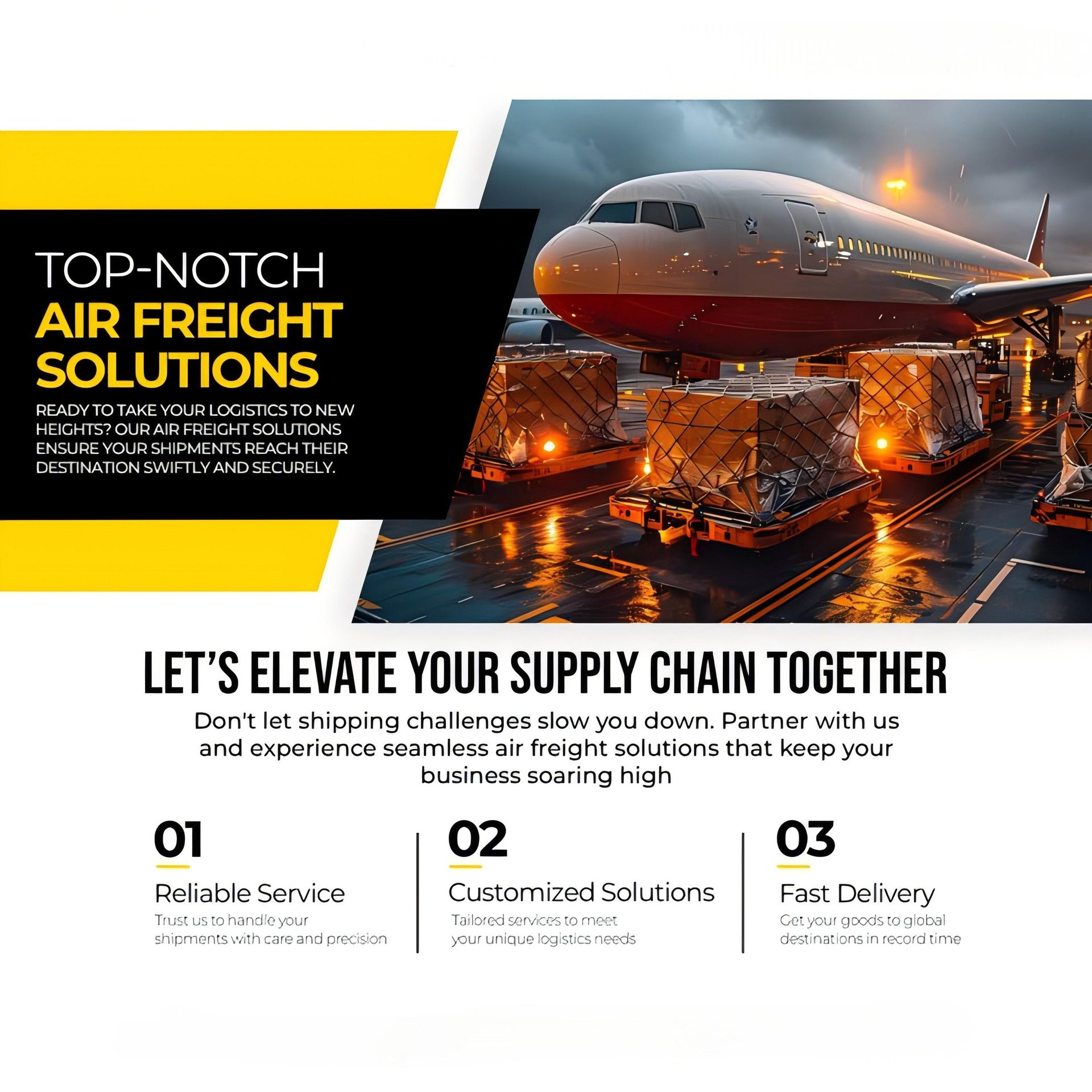
When time is of the essence, air freight stands out as the premium choice for your china to oman muscat shipping logistics service. For example, seasonal fashion items or urgent medical supplies must reach the market quickly to maintain their value. Consequently, the higher cost is often justified by the rapid turnover of capital and reduced inventory holding costs.
Additionally, air transport offers enhanced security for high-value electronics and luxury goods. Therefore, the risk of theft or damage is significantly lower compared to long-haul sea voyages. Furthermore, Muscat International Airport has expanded its cargo handling capacity in 2026, ensuring faster processing and clearance for incoming shipments.
Indeed, many businesses utilize a hybrid strategy, using sea freight for the bulk of their stock and air freight for urgent restocks. As a result, they can maintain a lean supply chain without risking stockouts during peak demand periods. Nevertheless, it is crucial to work with a logistics provider that has strong relationships with major airlines like Qatar Airways or Oman Air.
What Documents are Required for Oman Customs Clearance?
Navigating the legal requirements is a critical part of any china to oman muscat shipping logistics service. For instance, every shipment must be accompanied by a commercial invoice, a packing list, and a certificate of origin. Moreover, Oman requires specific attestation for certain documents, which can be handled by a professional customs brokerage service.
In addition, the 2026 trade regulations emphasize the importance of accurate HS code classification to determine the correct import duties. Consequently, errors in documentation can lead to heavy fines or cargo seizures at the port of entry. Furthermore, digital filing systems in Oman have streamlined the process, but they still require precise data entry.
Therefore, importers should ensure that all paperwork is prepared well in advance of the ship’s arrival. Meanwhile, having a local agent in Muscat can expedite the clearance process by resolving any discrepancies with customs officials on the spot. Without a doubt, proper preparation is the key to avoiding costly delays in your logistics operations.
| Document Name | Required For | Purpose | Authority |
|---|---|---|---|
| Commercial Invoice | All Shipments | Value declaration | Oman Customs |
| Packing List | All Shipments | Cargo verification | Port Authorities |
| Certificate of Origin | All Shipments | Trade agreements | Chamber of Commerce |
| Bill of Lading | Sea Freight | Title of goods | Shipping Line |
How to Optimize Your China to Oman Muscat Shipping Logistics Service Costs?
Reducing expenses in your supply chain is vital for maintaining a competitive edge in the Omani market. For example, consolidating multiple smaller shipments into a single LCL container can save significant amounts on freight charges. Additionally, optimizing your packaging to reduce volumetric weight is a simple yet effective way to lower air freight costs.
Moreover, booking your shipments at least two weeks in advance allows you to secure better rates before carrier capacity tightens. Consequently, proactive planning helps you avoid the premium prices often associated with last-minute bookings. Furthermore, staying informed about seasonal fluctuations in 2026 can help you time your imports more strategically.
In contrast, choosing a door to door service might seem more expensive initially, but it often reduces the total landed cost by eliminating hidden third-party fees. Therefore, looking at the comprehensive price rather than just the port-to-port rate is essential for accurate budgeting. Indeed, transparency in pricing is a hallmark of a high-quality logistics provider.
Case Studies: Successful Shipments to Muscat
Case Study 1: Urgent Electronics Delivery. Route: Shenzhen to Muscat. Cargo: High-end smartphones, 8 CBM, 1,200 kg. Shipping Method: Air Freight. Total Landed Cost: $7,800. Timeline: 5 days. Key Insight: Utilizing direct air routes saved the client from missing a major product launch in Muscat Mall.
Case Study 2: Bulk Furniture Import. Route: Ningbo to Muscat. Cargo: Office furniture, 1x40HQ container. Shipping Method: Sea Freight (FCL). Total Landed Cost: $4,200. Timeline: 28 days. Key Insight: Booking 20 days in advance during the Q1 2026 lull resulted in a 15% saving compared to peak season rates.
Case Study 3: Industrial Spare Parts. Route: Shanghai to Sohar (Trucked to Muscat). Cargo: Steel components, 15 CBM LCL. Shipping Method: Sea Freight. Total Landed Cost: $1,950. Timeline: 32 days. Key Insight: Choosing Sohar as the port of discharge reduced congestion delays often found at smaller terminals.
Which China to Oman Muscat Shipping Logistics Service Option Should You Choose?
Determining the best path forward depends on your specific business priorities and cargo characteristics. If your primary goal is cost reduction for non-urgent goods, then sea freight is the clear winner. However, if you are dealing with perishable items or high-value technology, air freight is the only viable solution.
Additionally, the volume of your cargo will dictate whether you need a full container or a shared space. Specifically, FCL is more secure and faster for larger inventories, while LCL is perfect for testing new products in the Omani market. Furthermore, always consider the reliability of the carrier and their local presence in Muscat.
Consequently, a balanced approach often yields the best results for growing businesses. For instance, you might ship 80% of your stock via sea and keep 20% for air transit to handle unexpected demand spikes. In summary, the right china to oman muscat shipping logistics service is one that offers flexibility, transparency, and competitive pricing.

Final Thoughts on Shipping from China to Muscat
In conclusion, managing a china to oman muscat shipping logistics service requires a deep understanding of both international transit and local Omani regulations. By choosing the right mode of transport and ensuring all documentation is in order, you can significantly reduce risks and costs.
As the trade relationship between China and Oman continues to flourish in 2026, having a reliable logistics partner is more important than ever. Whether you choose sea or air, prioritize transparency and efficiency to keep your business moving forward. Trust the experts to handle your cargo with the care and professionalism it deserves.
Need a tailored shipping solution?
Ready to streamline your supply chain with a professional china to oman muscat shipping logistics service? Contact our expert team at DSV-Freight today to receive a customized quote and expert advice for your 2026 shipments. Send Inquiry to get started with the most reliable logistics partner in the region.