
China to Oman Logistics Sea Air Cargo Service: 2026 Guide
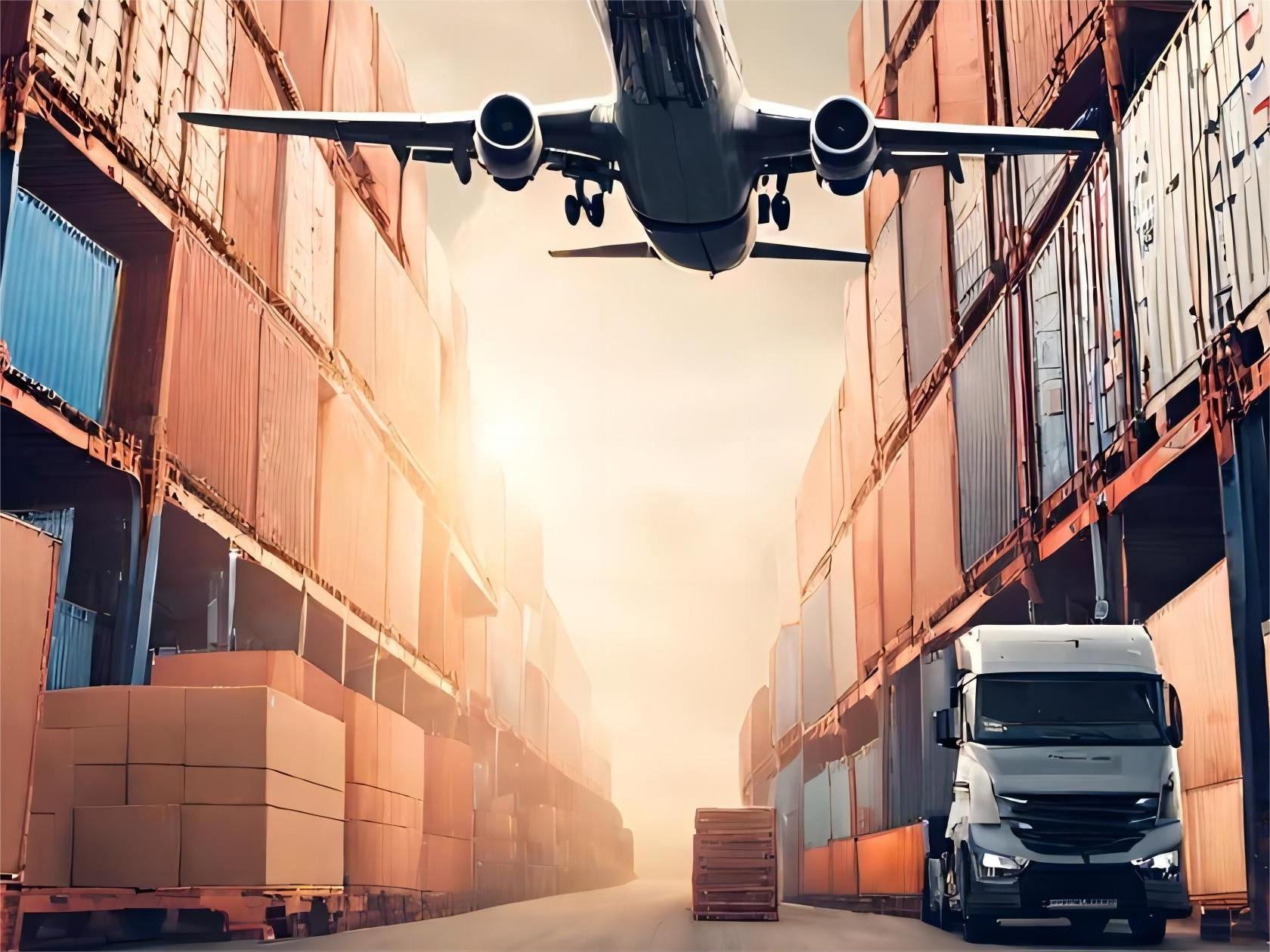
“Navigating the complexities of international trade requires a robust China to Oman logistics sea air cargo service that ensures timely delivery and cost efficiency. Businesses today face fluctuating fuel prices and evolving trade regulations, making it essential to partner with experts who understand the Middle Eastern market. Consequently, choosing the right freight forwarder can significantly reduce your overhead costs while improving overall supply chain reliability. In this comprehensive 2026 guide, we explore the most efficient routes and methods to move your goods from Chinese manufacturing hubs to the Sultanate of Oman.”

How Does Sea Freight Compare to Other Shipping Options?
❖Determining the most suitable transport mode depends heavily on your budget and the urgency of the shipment. While sea freight remains the backbone of global trade due to its high capacity, air freight offers unmatched speed for high-value items. Specifically, sea freight is ideal for bulky commodities like furniture, machinery, and construction materials that do not require immediate delivery. On the other hand, air cargo services cater to electronics and fashion goods where market trends change rapidly.

Choosing between Full Container Load (FCL) and Less than Container Load (LCL) is another critical decision for importers. FCL provides a dedicated space for your goods, which typically reduces the risk of damage and speeds up the unloading process. In contrast, LCL allows small businesses to share container space, making it a cost-effective alternative for smaller volumes. For those prioritizing balance, our sea freight solutions offer various schedules to match your specific inventory needs.
Market data from early 2026 suggests that sea freight rates have stabilized compared to the volatility seen in previous years. Furthermore, the expansion of the Port of Duqm has provided more entry points for cargo, reducing congestion at traditional ports like Sohar. Therefore, businesses should analyze their volume thresholds carefully before committing to a specific shipping method.
| Shipping Method | Cost Range (USD) | Transit Time | Best For |
|---|---|---|---|
| Sea Freight (FCL 20GP) | $1,200 – $1,800 | 22 – 30 Days | Bulk Goods, Machinery |
| Sea Freight (LCL per CBM) | $60 – $95 | 25 – 35 Days | Small Shipments |
| Air Freight (per kg) | $4.50 – $7.50 | 3 – 7 Days | Electronics, Urgent |
| Express Service | $8.00 – $12.00 | 2 – 4 Days | Samples, Documents |
What are the Benefits of Air Freight for Oman Shipments?
❖Speed is the primary advantage when utilizing air freight from China to Muscat. Consequently, companies dealing with perishable goods or critical spare parts often prefer this method despite the higher costs. Most air cargo originates from major hubs like Shenzhen, Guangzhou, or Shanghai and arrives at Muscat International Airport within a few days. Moreover, air transport offers higher security levels, which significantly reduces the likelihood of theft or loss during transit.
Inventory management becomes much simpler when transit times are measured in days rather than weeks. Additionally, shorter lead times mean that businesses can maintain lower stock levels, freeing up capital for other investments. Nevertheless, importers must be mindful of weight and volume restrictions that apply to aircraft. For shipments exceeding 500 kilograms, the price gap between air and sea becomes more pronounced, requiring a careful cost-benefit analysis.
Reliability in scheduling is another factor that makes air cargo attractive for the China to Oman route. Unlike sea vessels that may face port delays or weather-related disruptions, airlines maintain strict departure and arrival windows. Indeed, for seasonal product launches in the Omani market, the precision of air logistics is often worth the premium price.
Which Major Ports and Airports Serve the China-Oman Route?
❖Oman has strategically invested in its maritime infrastructure to become a global logistics hub. The Port of Sohar is a primary destination for cargo coming from China due to its proximity to the UAE border and advanced container terminals. Similarly, the Port of Salalah serves as a vital transshipment point for goods moving toward the wider GCC region. These ports handle millions of TEUs annually, ensuring that your express service requirements are met with efficiency.
Airports in Oman have also seen significant upgrades to handle increasing cargo volumes. Muscat International Airport (MCT) features a modern cargo terminal equipped with cold storage facilities and automated handling systems. Furthermore, Salalah Airport provides a secondary gateway for air shipments, particularly for businesses operating in the southern parts of the country. Consequently, the choice of entry point can impact your final inland delivery costs and total transit time.
Transit times from China vary based on the port of loading and the specific carrier used. For example, a direct vessel from Shenzhen to Sohar might take 22 days, while a transshipment via Singapore could extend the journey to 30 days. Accordingly, we recommend checking current schedules to align with your production timelines and customer expectations.
| Origin Port (China) | Destination Port (Oman) | Direct/Transit | Avg. Days |
|---|---|---|---|
| Shenzhen | Sohar | Direct | 22 Days |
| Shanghai | Muscat (via Sohar) | Transshipment | 28 Days |
| Ningbo | Salalah | Direct | 24 Days |
| Guangzhou | Duqm | Transshipment | 32 Days |
How to Navigate Customs Clearance and Import Regulations?
❖Successfully importing goods into Oman requires a thorough understanding of the Royal Oman Police (ROP) Customs requirements. Every shipment must be accompanied by a commercial invoice, a packing list, and a certificate of origin. Additionally, certain products like medical equipment or food items require special permits from relevant Omani ministries. Utilizing a professional customs brokerage service can prevent costly delays and ensure compliance with the latest 2026 regulations.
Valuation of goods is a critical step where many importers face challenges. Customs authorities in Oman use the CIF (Cost, Insurance, and Freight) value to calculate duties, which typically range from 0% to 5% for most standard goods. However, sin taxes apply to specific items like tobacco and energy drinks, which can be as high as 100%. Therefore, accurate documentation is essential to avoid penalties or cargo seizures at the border.
Digitalization has streamlined the customs process through the Bayan system. This online platform allows for the pre-clearance of goods, which significantly reduces the time cargo spends at the port. In fact, many shipments are now cleared within 24 to 48 hours if all paperwork is submitted correctly in advance. Meanwhile, we keep our clients updated on any legislative changes that might affect their import duties.
Strategic Advantages of Door to Door Shipping Solutions
❖Managing multiple logistics providers can be a logistical nightmare for many business owners. Choosing a door to door service simplifies the entire process by providing a single point of contact from the factory in China to the warehouse in Oman. This comprehensive approach covers inland trucking, export customs, international freight, and final delivery. Consequently, you can focus on your core business operations while we handle the minute details of the transport chain.
Transparency is a major benefit of this service model. With integrated tracking systems, you can monitor your cargo’s progress in real-time, receiving alerts at every major milestone. Furthermore, door-to-door solutions often include insurance coverage, providing peace of mind against unforeseen events during the long journey. As a result, the risk of miscommunication between different logistics entities is virtually eliminated.
Cost predictability is another reason why businesses prefer all-inclusive shipping packages. Instead of receiving multiple invoices for different segments of the journey, you get a single, transparent quote. This allows for better financial planning and more accurate product pricing for the Omani market. Indeed, for many of our clients, the time saved through these integrated services far outweighs the slight premium in service fees.
Case Study 1: Electronics Distribution to Muscat
❖A Muscat-based electronics retailer needed to import a large shipment of high-end smartphones and tablets from Shenzhen. Given the high value and rapid depreciation of the cargo, speed and security were the top priorities. They opted for an air freight solution to ensure the products reached the shelves before a major shopping festival.
Route: Shenzhen (SZX) to Muscat (MCT). Cargo: 1200kg of consumer electronics. Shipping Method: Air Freight. Total Cost: $7,200. Transit Time: 4 days. Key Insight: By using air freight, the client captured early market demand, resulting in a 25% higher profit margin despite the increased shipping costs. This case demonstrates that for high-margin goods, transit speed is more valuable than low freight rates.

Case Study 2: Industrial Machinery for Sohar Port Expansion
❖A construction firm required heavy machinery and steel components for a project near the Port of Sohar. The shipment involved three 40HQ containers of over-sized equipment that exceeded the capacity of standard air cargo planes. Sea freight was the only viable option due to the physical dimensions and weight of the cargo.
Route: Shanghai Port to Sohar Port. Cargo: Industrial machinery, 3x40HQ containers. Shipping Method: Sea Freight (FCL). Total Cost: $12,600 (including local charges). Transit Time: 28 days. Key Insight: Scheduling the shipment during the Q1 2026 lull allowed the client to secure lower rates. Careful coordination with the Sohar port authorities ensured that the heavy lifting equipment was ready for immediate discharge upon arrival.
Which Option Should You Choose? Decision Framework
❖Selecting the right shipping strategy requires a balance between three main factors: budget, time, and cargo type. If your primary goal is to minimize costs and your lead times are flexible, sea freight is the clear winner. However, if you are shipping perishable goods or facing tight deadlines, air freight is necessary. We suggest using air freight for items valued over $50 per kilogram to justify the transport expense.
Hybrid solutions are also becoming more popular in 2026. For example, some businesses use sea-air combinations where cargo is shipped by sea to a regional hub like Dubai and then flown to Muscat. This approach offers a middle ground, providing faster delivery than pure sea freight at a lower cost than pure air freight. Additionally, consider the volume of your shipment; LCL is perfect for 1-15 CBM, whereas FCL is more economical for anything larger.
Note: Freight rates are subject to change based on fuel costs, carrier capacity, and seasonal demand. Contact us for a current quote tailored to your specific shipment.
Mastering Your China to Oman Logistics Strategy
Successfully managing a China to Oman logistics sea air cargo service requires a deep understanding of both origin and destination requirements. By leveraging the right combination of sea and air freight, businesses can create a resilient supply chain that adapts to market changes. Whether you choose the cost-efficiency of the Port of Sohar or the speed of Muscat International Airport, the key lies in meticulous planning and accurate documentation. As we move through 2026, staying informed about logistics trends and port developments will remain essential for any serious importer. Partnering with a dedicated freight expert ensures that your cargo arrives safely and on time, every time.
Ready to streamline your logistics?
Ready to optimize your supply chain with a reliable China to Oman logistics sea air cargo service? Contact our team today for a customized quote and expert advice on your next shipment. Visit our inquiry page to get started with a free consultation and competitive 2026 rates. Visit https://alibabafreight.com/ for more details. Send Inquiry: Visit https://alibabafreight.com/
Request Quote