

China to Europe Truck Transit Time: A 2026 Logistics Guide
Navigating the complexities of China to Europe truck transit time often forces shippers to balance speed against the inherent risks of trans-continental road logistics. Inconsistent transit updates, fragmented carrier networks, and opaque customs procedures frequently lead to costly delays for international cargo. By working with a specialist like Alibaba Freight, importers can transform these logistical friction points into a stable, auditable supply chain operation. This 2026 handbook outlines the critical checkpoints, mode-specific compliance requirements, and landed-cost variables essential for maintaining a predictable flow of goods between these two major economic zones.
Key Takeaways
Standard door-to-door transit time for China to Europe road-based freight typically ranges between 28 and 35 days depending on border dwell times.
A standard 40HQ container provides approximately 68–76 CBM of capacity, though shippers should target 65–70 CBM for optimal palletized load utilization.
Compliance requires the early submission of the ICS2 Entry Summary Declaration for all goods entering the European Union to avoid heavy administrative penalties.
Total landed costs must account for T1 transit document processing, EORI validation, and potential terminal handling charges at the destination gateway.
What Should Buyers Know First About China to Europe Truck Transit Time?

Understanding China to Europe truck transit time requires a foundational shift in how buyers perceive cross-border road logistics versus traditional maritime shipping. Unlike ocean freight, which relies on port-to-port schedules, road and multimodal transit across the Eurasian corridor is highly sensitive to border crossing efficiency and seasonal infrastructure capacity. Shippers must evaluate transit times not merely as a duration of travel, but as a window of risk that encompasses potential customs holds and weather-related delays on mountain passes or border checkpoints. See our Services for mode options and booking coverage.
The primary challenge in this corridor is the management of expectations regarding ‘door-to-door’ arrival dates, which are often disrupted by fluctuations in driver availability and border dwell times. Buyers must distinguish between actual driving time and the total lead time, which includes origin consolidation, export clearance in China, main-haul transit, and the final-mile delivery within the EU. Recognizing that this mode is a hybrid of road and rail or road-only segments is vital for setting realistic inventory replenishment schedules that survive unexpected supply chain disruptions.
For successful operations, buyers should prioritize transparency in communication with their logistics partner regarding cargo-ready dates and specific delivery windows. By treating transit time as a variable range rather than a fixed date, businesses can build buffer capacity into their inventory models to prevent stockouts. It is essential to ensure that all documentation is pre-cleared before the cargo reaches the final customs gateway to avoid unnecessary dwell, which remains the single largest contributor to transit time variance on this trade lane.
Field note: Focus on border dwell as the primary driver of variance.
Common mistake: Assuming road transit is immune to terminal congestion.
Risk alert: Unexpected document errors at border crossings can add 5-7 days to the transit.
How Do Routing and Gateway Choices Affect This Lane?
Routing decisions represent the most strategic lever for optimizing China to Europe truck transit time and controlling costs. The selection of specific gateways—such as Shanghai for origin consolidation or Rotterdam for EU entry—dictates the infrastructure available for transshipment and customs processing. Shippers must weigh the cost-efficiency of major hub ports against the transit-time advantages of secondary gateways that may offer less congestion but require longer inland transit legs to reach final destination markets.
When planning a route, it is vital to account for the specific geographic constraints of the Eurasian crossing, including the availability of secure parking and reliable rest stops for drivers. Gateways that integrate well with the European Union’s T1 transit document system are significantly more efficient, as they reduce the time spent on manual customs verification. Failure to align your routing with the capabilities of your destination agent often results in cargo being trapped at the border, effectively negating any speed advantages gained during the initial transit phase.
Mitigation of routing risks requires a thorough audit of the carrier’s network capacity and their ability to handle real-time rerouting if a specific border crossing becomes impassable. Buyers should request route-specific transit reports that detail historical performance for their chosen gateways, ensuring that the selected path is not just the cheapest, but the most resilient. Always verify that your chosen forwarder maintains strong relationships with both origin and destination customs authorities to facilitate smoother transitions through these critical nodes.
| Accessorial Charge | Standard Free Window | Typical USD Band | Trigger Condition |
|---|---|---|---|
| Driver detention | First 2 hours free | $75 – $120 / hour | Dock dwell past free window |
| Border layover surcharge | Same-day clearance | $350 – $600 / night | Secondary exam / bad e-Manifest |
| Liftgate / inside delivery | Dock-to-dock standard | $125 – $250 / service | No commercial loading dock |
| Pallet restrap & re-wrap | Origin inspected | $30 – $60 / pallet | Shift or damaged wrap at cross-dock |
Field note: Gateway selection directly impacts the T1 document processing time.
Common mistake: Selecting a route based solely on ocean-freight port proximity.
Risk alert: Ignoring gateway-specific customs capacity can lead to multi-day bottlenecks.
China–Europe Rail vs Ocean: Transit and Cost Trade-offs on This Lane
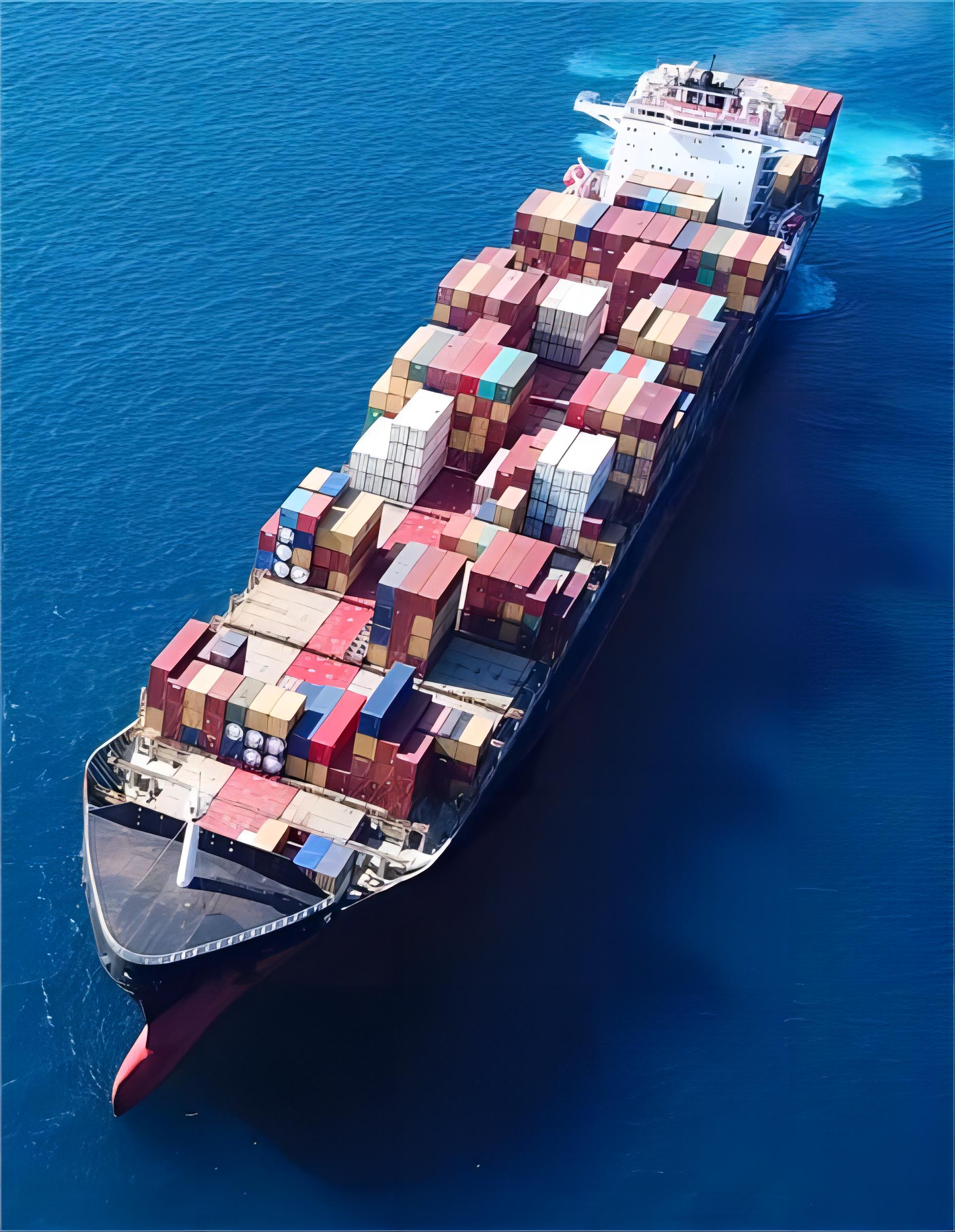
Choosing the right mode mix is essential for balancing China to Europe truck transit time with the budgetary requirements of your firm. While road-only transit offers the fastest delivery for specific high-value or time-sensitive goods, it is often more expensive than a combined road-rail solution. Shippers must evaluate their cargo volume, weight, and urgency to determine whether a dedicated truck, a less-than-truckload (LTL) groupage service, or a multimodal approach best aligns with their operational goals for the fiscal year.
For bulkier, lower-value goods, combining rail main-haul with last-mile trucking is frequently the most cost-effective solution, providing a balance between speed and expenditure. However, for high-value electronics or time-critical components, a direct road-bridge operation may be necessary to bypass the dwell times associated with rail station transfers. The decision-making process should involve a detailed cost-benefit analysis where cargo value is measured against the cost of carrying inventory during longer transit windows, ensuring that your mode selection supports your overall cash flow strategy.
Successful implementation requires a clear understanding of the trade-offs between speed and cost, and the willingness to adjust the mode mix based on seasonal capacity. During peak periods, when road capacity is constrained, diversifying your mode mix can act as a hedge against catastrophic delays in a single transport channel. Always maintain an open dialogue with your logistics partner to assess whether a shift in mode is required to maintain your supply chain integrity in the face of evolving market conditions.
Field note: Always align mode with the specific cargo value and inventory turnover speed.
Common mistake: Over-utilizing air freight for non-urgent replenishment needs.
Risk alert: Choosing the cheapest mode often leads to hidden costs in inventory holding.
What Transit Timeline Should You Expect?
When analyzing China to Europe truck transit time, the standard industry expectation for a door-to-door move is approximately 28 to 35 days. This timeline accounts for the initial pickup from a warehouse in an eastern Chinese industrial hub, the transit across the continental border, and the final delivery to a destination facility in Europe. It is crucial for shippers to understand that this duration is an average and can shift due to external factors like geopolitical tensions, extreme weather, and sudden spikes in border traffic that can delay transit by several days.
Reliable transit monitoring depends on the synchronization of data between the origin forwarder and the destination agent, ensuring that status updates are communicated in real-time. Shippers should expect milestones at key stages: cargo collection, export declaration, border crossing, EU entry, and final delivery dispatch. If a carrier cannot provide visibility at these specific milestones, it is a strong indicator that the transit timeline may be less predictable than officially quoted, necessitating an additional buffer in your planning.
To mitigate the risk of missed deadlines, businesses should negotiate clear, written transit commitments with their carrier that include penalties for significant delays. By setting a realistic baseline of 35 days, you can manage stakeholder expectations while benefiting from any early arrivals. Always account for the ‘tail end’ of the journey, where local road restrictions and warehouse receiving hours in Europe can add 24 to 48 hours to the final delivery, even after the cargo has cleared customs at the border.
| Milestone | Typical Duration | Risk Factor | Owner |
|---|---|---|---|
| Export Clearance | 2-3 Days | Documentation errors | Shipper |
| Main-haul Transit | 20-25 Days | Weather/Border dwell | Carrier |
| EU Import Clearing | 1-3 Days | ICS2/T1 issues | Broker |
| Final Mile Delivery | 1-2 Days | Warehouse congestion | Consignee |
Field note: Always add a 5-day contingency buffer to quoted transit times.
Common mistake: Confusing ‘driving time’ with ‘door-to-door’ total transit.
Risk alert: Failure to plan for warehouse receiving windows often ruins the final-mile schedule.
How Are Landed Costs Typically Built?
Calculating the total landed cost for shipments involving China to Europe truck transit time requires a comprehensive view of all direct and indirect expenses. Beyond the base freight rate, shippers must account for export duties, security filing fees, T1 transit document processing, destination port or border fees, and the final inland trucking costs. Failing to itemize these components often leads to ‘bill shock’ upon arrival, when unexpected accessorials and administrative fees are charged by local agents at the destination.
The structure of these costs is often influenced by the Incoterms agreed upon during the initial commercial negotiations. For example, under DAP (Delivered at Place) terms, the seller retains responsibility until the cargo reaches the destination, whereas under FCA (Free Carrier) terms, the buyer assumes control earlier, necessitating a more rigorous management of the downstream cost chain. It is advisable to request an itemized, all-in quote that clearly separates the main-haul freight from destination-side accessorials to ensure comparability between different logistics providers.
To maintain budget control, businesses should implement a pre-audit process for all freight invoices, comparing the final charges against the initial quotation. This practice identifies discrepancies in handling or documentation fees before they become permanent accounting issues. Furthermore, ensuring that all destination taxes and duties are clearly defined in the commercial invoice prevents delays in customs release, which can indirectly inflate landed costs through storage fees and penalty interest on late payments to local customs authorities.
Field note: Always request an all-in quote to avoid surprise destination accessorials.
Common mistake: Neglecting to include T1 transit document costs in the initial budget.
Risk alert: Incoterm ambiguity is the leading cause of unexpected landed-cost surcharges.
Which Documents and Compliance Checks Apply?
Compliance is the cornerstone of efficient China to Europe truck transit time, with documentation serving as the primary gatekeeper for cross-border movement. For every shipment, a complete, accurate commercial invoice and a detailed packing list are non-negotiable requirements for both export declaration in China and import entry in the European Union. Furthermore, the mode of transport dictates the specific transport document required, such as a CMR road waybill, which serves as the contract of carriage and proof of receipt for road-based freight, differing significantly from ocean-based bills of lading.
The European Union’s implementation of the ICS2 (Import Control System 2) requires that an Entry Summary Declaration (ENS) be filed with the relevant customs authority before the cargo arrives at the EU border. This filing is essential for security risk assessment and must be accurate to avoid detention or outright rejection of the cargo. Additionally, importers must possess a valid EORI (Economic Operators Registration and Identification) number to conduct business within the EU, without which all customs clearance efforts will be halted indefinitely at the point of entry.
To streamline compliance, businesses should establish a standardized document preparation process that involves their customs broker early in the booking phase. Regularly auditing your HS codes and product descriptions ensures that declarations match the physical goods, reducing the likelihood of physical inspections that can delay transit by several days. By maintaining a centralized, digital repository for all shipping documents, your team can respond quickly to customs inquiries and avoid the administrative friction that typically plagues poorly documented cross-border shipments.
| Document / Filing | Lead Time | Responsible Party | Hold if Missing |
|---|---|---|---|
| ICS2 Entry Summary (ENS) | Pre-arrival cut-off by mode | Carrier / Declarant | Do-not-load / diversion |
| EORI number | Before first EU import | Importer | Unable to lodge entry |
| Import declaration (national) | At clearance | Importer / Broker | Bonded hold |
| Commercial invoice + packing list | With entry packet | Exporter | Valuation delay |
Field note: Accuracy in HS code reporting is the fastest way to avoid customs holds.
Common mistake: Using generic product descriptions that trigger unnecessary security inspections.
Risk alert: Missing EORI validation will freeze your shipment at the EU border entry point.
How Do Peak Seasons Affect Capacity and Pricing?
Peak seasons, typically driven by major manufacturing cycles and pre-holiday demand, significantly disrupt China to Europe truck transit time and freight availability. During these periods, the demand for road capacity often outstrips supply, leading to rapid price escalations and potential equipment shortages at Shanghai/Ningbo. Shippers who wait until the last minute to secure space are often forced to pay premium ‘spot’ rates, which can destabilize their logistics budgets and force a re-evaluation of their overall inventory replenishment strategy.
To manage these fluctuations, successful companies engage in forward-looking capacity planning, securing space allocations with their logistics partners several months in advance. By establishing a fixed-volume contract, importers can hedge against the volatility of the spot market, ensuring that their goods are prioritized even when capacity is tight. It is also beneficial to diversify your carrier base, avoiding reliance on a single provider who may be overwhelmed by peak volumes, and instead utilizing a tiered strategy that includes both primary and secondary logistics partners.
Communication with your supply chain partners during peak season must be more frequent and proactive than during off-peak times. Provide updated forecasts to your forwarder so they can better anticipate your needs and allocate resources accordingly. By sharing your production schedules and expected cargo-ready dates early, you enable your logistics provider to optimize their own operations, leading to better outcomes for your shipments even when the broader market is under extreme pressure from high demand and limited equipment availability.
Field note: Early booking is the only reliable defense against peak season surcharges.
Common mistake: Assuming spot-market rates will remain stable during the Q4 peak season.
Risk alert: Last-minute booking during peak season can lead to 14+ day transit delays.
What Is the Step-by-Step Process from Quote to Delivery?
The operational lifecycle of a shipment on this lane follows a standardized sequence designed to minimize handoff friction and ensure compliance at every stage. It begins with a comprehensive shipment profile capture, where cargo-ready dates, weight, CBM, and HS codes are finalized to provide an accurate quote. Once the booking is confirmed, the focus shifts to the coordination of the origin pickup, ensuring that the goods are efficiently consolidated and prepared for the long transit across the Eurasian landmass, strictly adhering to the agreed-upon export cut-offs.
The second phase involves the main-haul transit and the rigorous monitoring of the cargo as it moves through various gateways and customs zones. This stage relies heavily on the timely execution of transit filings, such as the T1 document, and the continuous communication between the carrier and the destination broker. Any exception, such as a customs query or a delayed border crossing, must be addressed immediately by your logistics partner to prevent the issue from cascading into a multi-day delay that disrupts the final-mile delivery schedule.
The final phase of the process focuses on destination release and the completion of the delivery to your facility. This includes the payment of duties and taxes, the final customs clearance of the goods, and the coordination of local drayage to your door. By maintaining a tight loop of communication and ensuring that all destination documents are ready before arrival, you can ensure a seamless final handoff. A post-shipment review is also recommended to identify any procedural bottlenecks that occurred, allowing for continuous improvement in your future logistics operations.
Field note: Standardize your booking process to ensure consistent data quality.
Common mistake: Skipping the post-shipment review, which leads to recurring procedural errors.
Risk alert: Breakdowns in communication during the main-haul transition are the most common cause of lost visibility.
Decision Framework
By volume: Low CBM favors LCL or groupage into an EU hub; full wagon / 40HQ lots justify direct China–EU rail or ocean with scheduled last-mile trucking.
By speed: Urgent windows use air or expedited truck from the first EU hub; standard replenishment rides ocean/rail once ENS and EORI are locked.
By cargo profile: Confirm EORI, ENS/ICS2, and any product conformity marks before hub discharge.
Real-World Corridor Case Studies
An industrial machinery importer booked a 40HQ from Shenzhen to Rotterdam on a direct Far East–North Europe string. The forwarder aligned commercial invoice, packing list, and B/L data before CY gate-in so EU customs release and inland drayage stayed inside free time.
A home goods brand moved mixed-SKU cartons from Ningbo to Hamburg. Origin CFS consolidation and destination free-time tracking kept demurrage exposure inside the quoted all-in ocean band.
Execution Checklist for International Freight
Lock the operational sequence for International Freight: profile the cargo, choose the mode, clear compliance, then award space. By focusing on these core elements, you can effectively navigate the complexities of China to Europe truck transit time and reduce the likelihood of costly surprises in your supply chain.
Write fee exclusions and cut-off commitments into the award so post-arrival surprises stay off this lane. A well-managed logistics program is not just about the transit itself, but about the rigorous preparation and compliance oversight that occurs before the cargo even leaves the loading dock.
Process and Checkpoints
Shipment Profile Capture
Confirm cargo-ready date, CBM/weight, commodity, HS code, and Incoterms.
Mode & Service Scope Selection
Compare air / LCL / FCL (or specialty) against transit and landed-cost targets.
Documentation & Compliance Gate
Align commercial invoice, packing list, and any specialty filings before booking.
Space Booking & Cut-off Lock
Reserve carrier/co-loader space and confirm export cut-off windows in writing.
Mainhaul & Milestone Tracking
Monitor departure, arrival, and exception alerts against the awarded transit plan.
Destination Release & Delivery
Clear destination formalities and complete final-mile delivery to the agreed door.
Confirm the right route for your shipment
Ready for a scoped proposal on your next shipment? Share your origin/destination, cargo-ready date, and shipment profile with our team to start building an auditable booking decision.
Request a route reviewFrequently Asked Questions
What causes border dwell when trucking pallets between the US and Canada?
Exam holds, incomplete customs data, or missed delivery appointments at the consignee dock extend border-to-door transit.
When must ICS2 ENS data be lodged for EU-bound cargo?
Carriers or declarants lodge ENS to the mode-specific pre-arrival cut-off; late or incomplete data risks do-not-load or diversion holds.
Which USMCA documentation supports duty-free cross-border truck moves on US–Canada lanes?
Certified origin statements and commercial invoices must support USMCA claims; brokers may request production records on audit.
How does pallet height and density change LTL freight class on US–Canada lanes?
Non-stackable or oversized pallets can reclass freight and trigger re-weigh fees—declare dimensions before tender.
Why is an EORI number required before the first EU import?
Without EORI the broker cannot complete the import declaration; cargo remains uncleared until registration is active.
When must ICS2 ENS data be lodged for EU-bound cargo?
Carriers or declarants lodge ENS to the mode-specific pre-arrival cut-off; late or incomplete data risks do-not-load or diversion holds.
Rates and surcharges fluctuate; request an itemized quote.
Informational only; not binding legal/tax/customs advice.
Benchmarks reflect standard 2026 practice for this corridor.