
China to Europe rail freight logistics service: Complete 2026 Guide
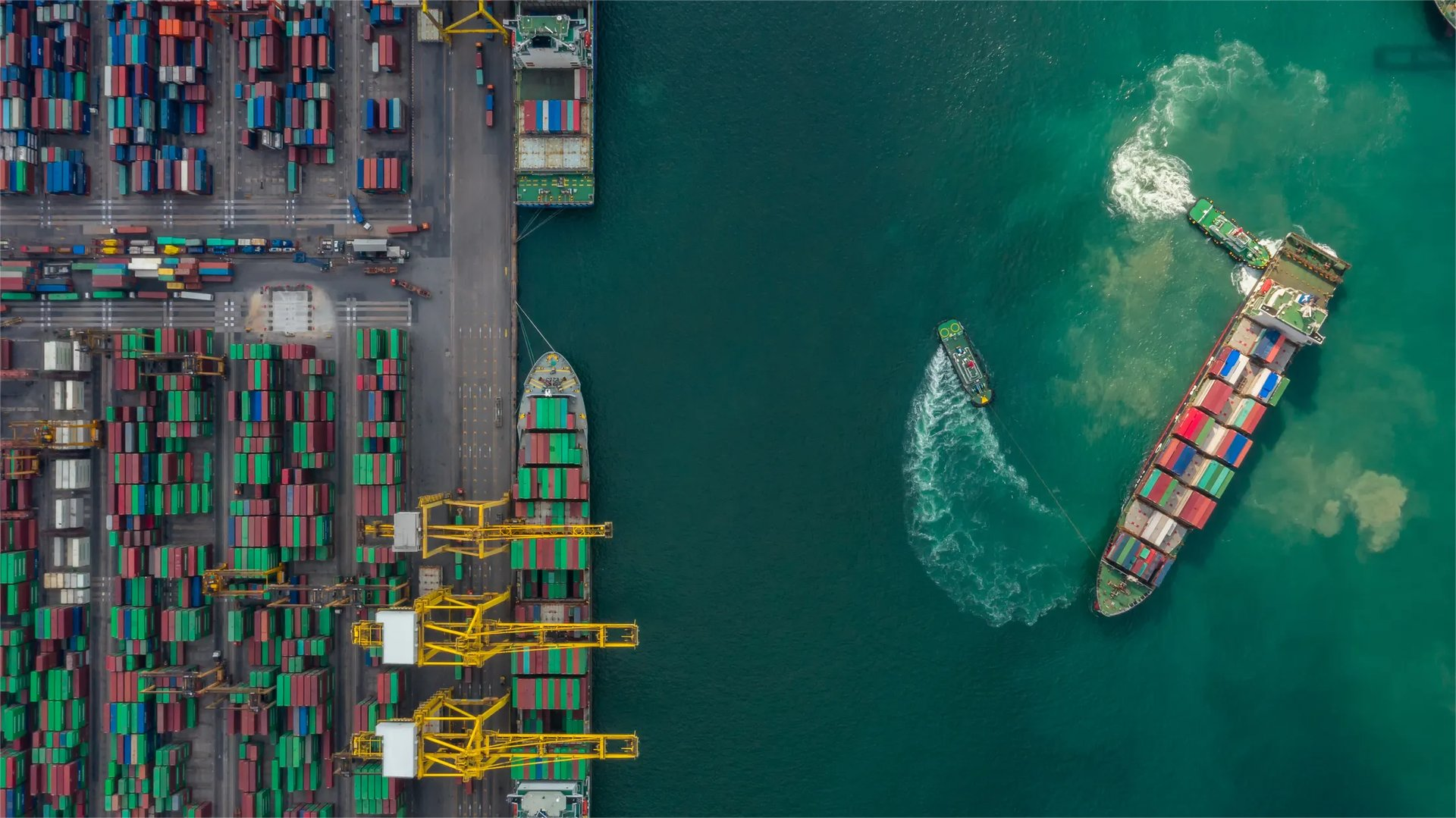
Developing a robust supply chain in 2026 requires a strategic balance between speed and expenditure. Our China to Europe rail freight logistics service provides a specialized middle ground for businesses that need faster delivery than ocean transport without the extreme costs of aviation. This comprehensive guide explores how the modern Silk Road has evolved to become the most reliable link for Eurasian trade.
How Does China to Europe rail freight logistics service Compare to Other Shipping Options?
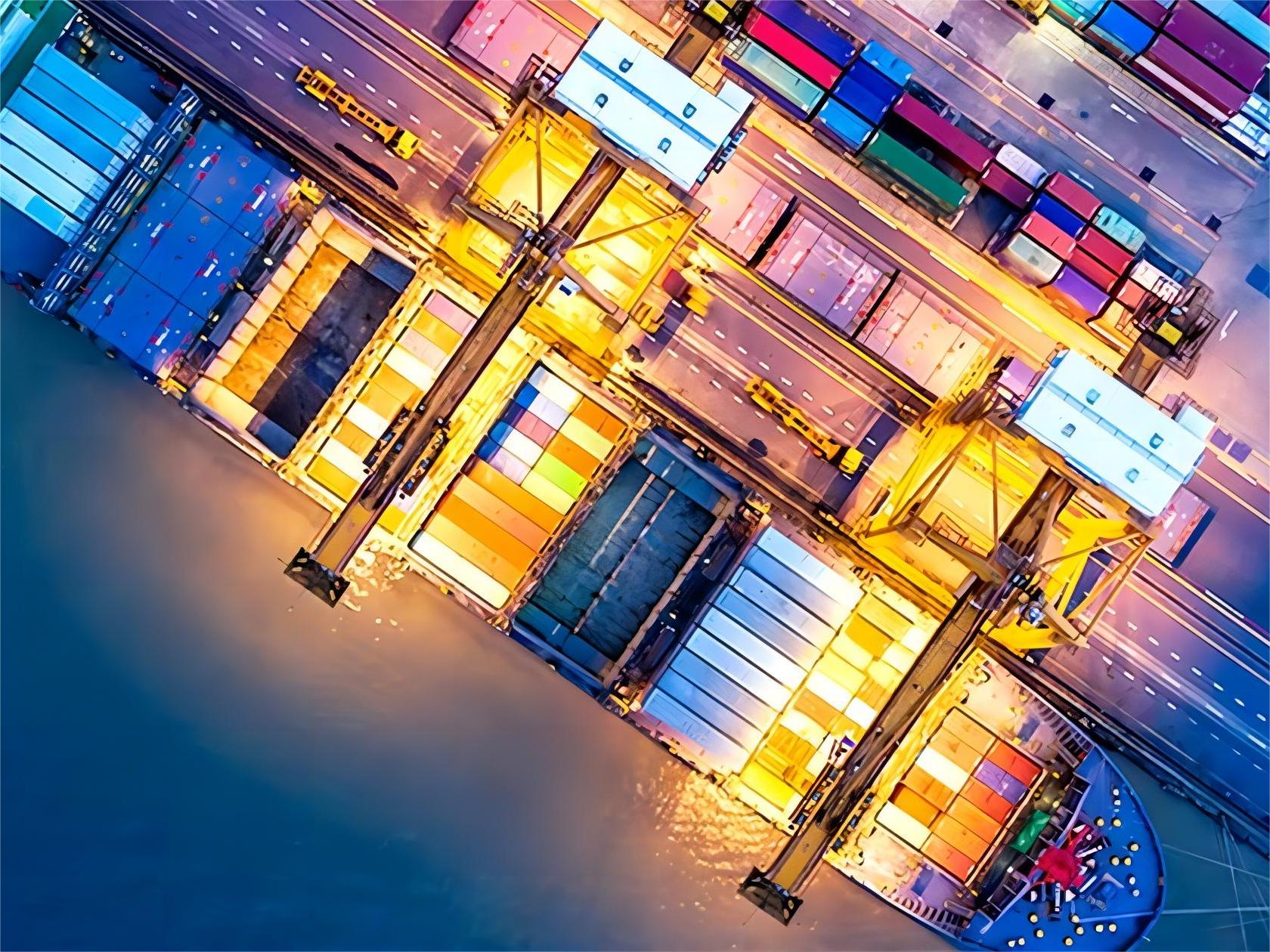
Choosing the right transportation mode is critical for maintaining healthy profit margins. While sea freight remains the cheapest option for massive volumes, rail freight has emerged as a high-performance alternative for time-sensitive goods. Consequently, many manufacturers of electronics and automotive parts have shifted their focus toward the railway tracks.
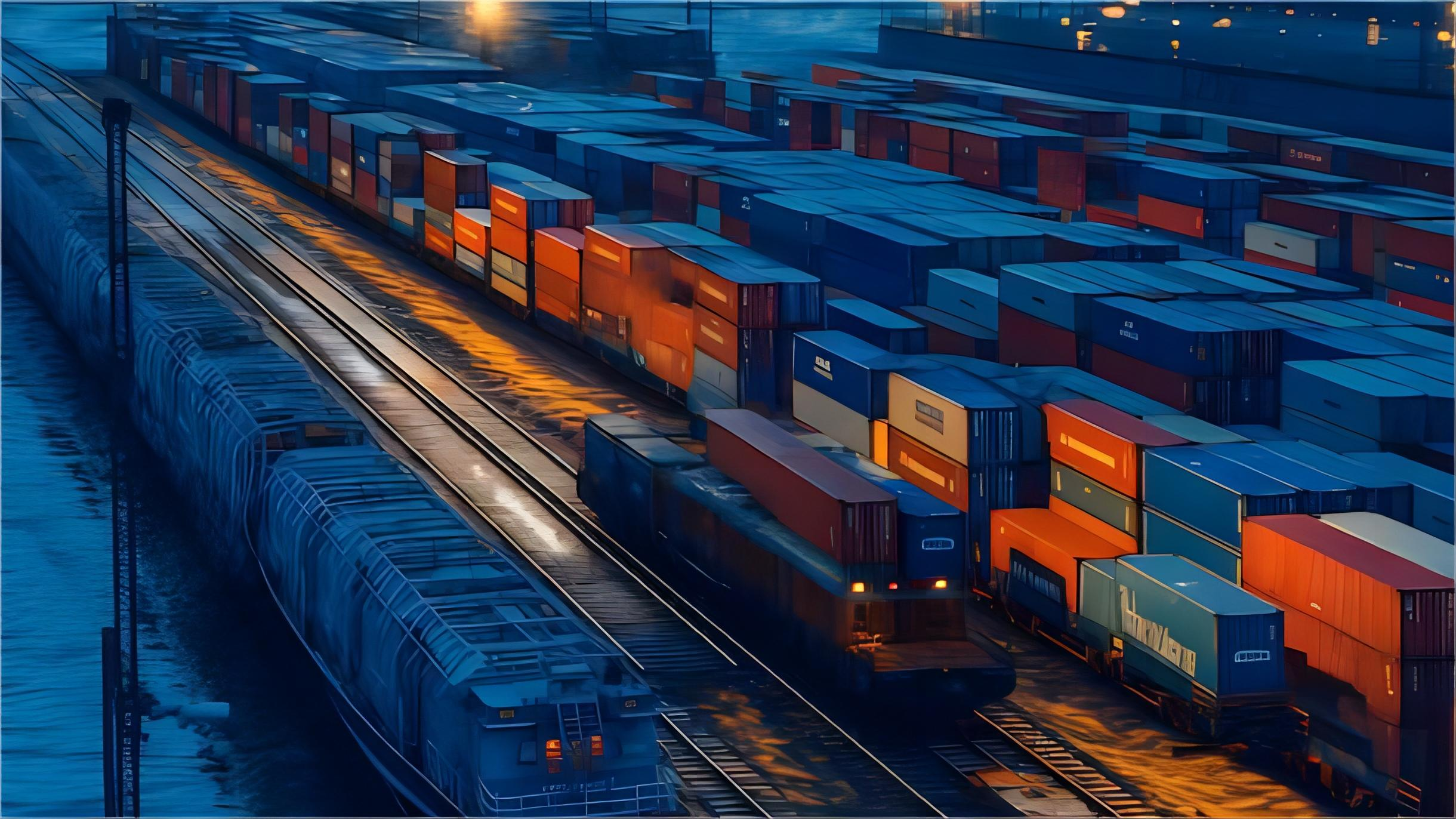
Rail transport significantly reduces transit times compared to sea routes while remaining far more affordable than air freight. Furthermore, the environmental impact of rail is considerably lower than air transport, making it an attractive choice for companies with strict sustainability goals. In 2026, the stability of the rail network across Central Asia has proven to be a vital asset for global shippers.
To help you decide, we have analyzed the primary shipping methods available for the China-Europe route below.
| Shipping Method | Cost Range | Transit Time | Best For |
|---|---|---|---|
| Sea Freight | $2,200 – $4,500 | 35-50 Days | Bulky, Low Value |
| Rail Freight | $4,500 – $7,500 | 15-22 Days | Mid-Value, Urgent |
| Air Freight | $15,000 – $28,000 | 5-10 Days | High-Value, Critical |
| Sea-Air Hybrid | $8,000 – $12,000 | 20-25 Days | Balanced Priority |
Why Choose China to Europe rail freight logistics service in 2026?
Reliability has become the cornerstone of our rail operations this year. Indeed, the China-Europe Railway Express now operates on fixed schedules that rival the precision of passenger trains. This consistency allows businesses to plan their inventory cycles with much greater accuracy than ever before.
Moreover, the development of smart tracking technology provides real-time visibility into your shipment’s location across multiple borders. As a result, supply chain managers can mitigate risks and provide accurate updates to their customers. Additionally, the infrastructure improvements in 2025 have led to smoother border crossings at Małaszewicze and Dostyk.
Cost-saving strategies often involve utilizing Less than Container Load (LCL) rail services. For instance, if you do not have enough cargo to fill a 40HQ container, LCL allows you to share space and pay only for the volume you use. This flexibility is a major advantage for small and medium-sized enterprises entering the European market.
Transit Times and Major Rail Hubs
Geographical efficiency is the primary driver behind the speed of rail logistics. Most shipments originate from industrial hubs like Xi’an, Chengdu, or Chongqing before heading north or west. Subsequently, these trains traverse Kazakhstan, Russia, and Belarus before entering the European Union via Poland.
Typical transit times for a door-to-door service currently range between 18 and 25 days depending on the final destination. However, terminal-to-terminal times are often as short as 14 days for express routes. Without a doubt, these speeds have revolutionized the way high-fashion and consumer electronics brands manage their seasonal launches.
Market data suggests that the following routes are the most efficient as of early 2026:
| Origin Hub | Destination | Transit (Days) | Frequency |
|---|---|---|---|
| Xi’an | Duisburg, DE | 16-18 | Daily |
| Chengdu | Lodz, PL | 14-16 | 5x Weekly |
| Chongqing | Budapest, HU | 19-21 | 3x Weekly |
| Shenzhen | Hamburg, DE | 20-22 | 4x Weekly |
Navigating Customs and Documentation Requirements
Successful international shipping relies heavily on precise paperwork. Therefore, utilizing an experienced customs brokerage is highly recommended to avoid costly delays at the EU border. Customs officials require specific documentation to verify the cargo’s value, origin, and safety compliance.
Standard requirements include the Commercial Invoice, Packing List, and the Railway Bill (CIM/SMGS). Furthermore, certain products may require certificates of origin or specialized health certificates. Consequently, ensuring all data matches across all documents is the best way to ensure a seamless transition through the customs checkpoints.
Note: Freight rates are subject to change based on fuel costs, carrier capacity, and seasonal demand. Contact us for a current quote tailored to your specific shipment.
Case Studies: Realistic Rail Logistics Scenarios
Real-world examples provide the best insight into how our China to Europe rail freight logistics service functions in practice. Below are two scenarios based on Q1 2026 market rates and conditions.
Case Study 1: Electronics from Shenzhen Route: Shenzhen, China Hamburg, Germany Cargo: Consumer Electronics, 28 CBM, 4500 kg Container: 1x 40HQ (Partial Load) Shipping Details: – Carrier: China-Europe Railway Express – Port of Loading: Shenzhen Hub – Port of Discharge: Hamburg Billwerder – Route Type: Direct via Alashankou Cost Breakdown: – Rail Freight: $6,800 – Origin Charges: $450 – Destination Charges: $600 – Customs & Duties: $1,200 – Total Landed Cost: $9,050 Timeline: – Booking to Loading: 3 days – Rail Transit: 19 days – Customs Clearance: 2 days – Total Door-to-Door: 24 days Key Insight: Rail saved 20 days compared to sea freight at 30% of the air cost.
Case Study 2: Industrial Machinery LCL Route: Xi’an, China Warsaw, Poland Cargo: Spare Parts, 8 CBM, 1200 kg Container: LCL (Less than Container Load) Shipping Details: – Carrier: Major Rail Operator – Port of Loading: Xi’an International Port – Port of Discharge: Pruszków Terminal – Route Type: Direct Express Cost Breakdown: – Rail Freight: $1,100 – CFS Charges: $200 – Delivery to Door: $350 – Customs Brokerage: $150 – Total Landed Cost: $1,800 Timeline: – Booking to Loading: 2 days – Rail Transit: 14 days – Customs Clearance: 1 day – Total Door-to-Door: 17 days Key Insight: LCL rail provided air-like speed for a fraction of the price.
Which Option Should You Choose? Decision Framework
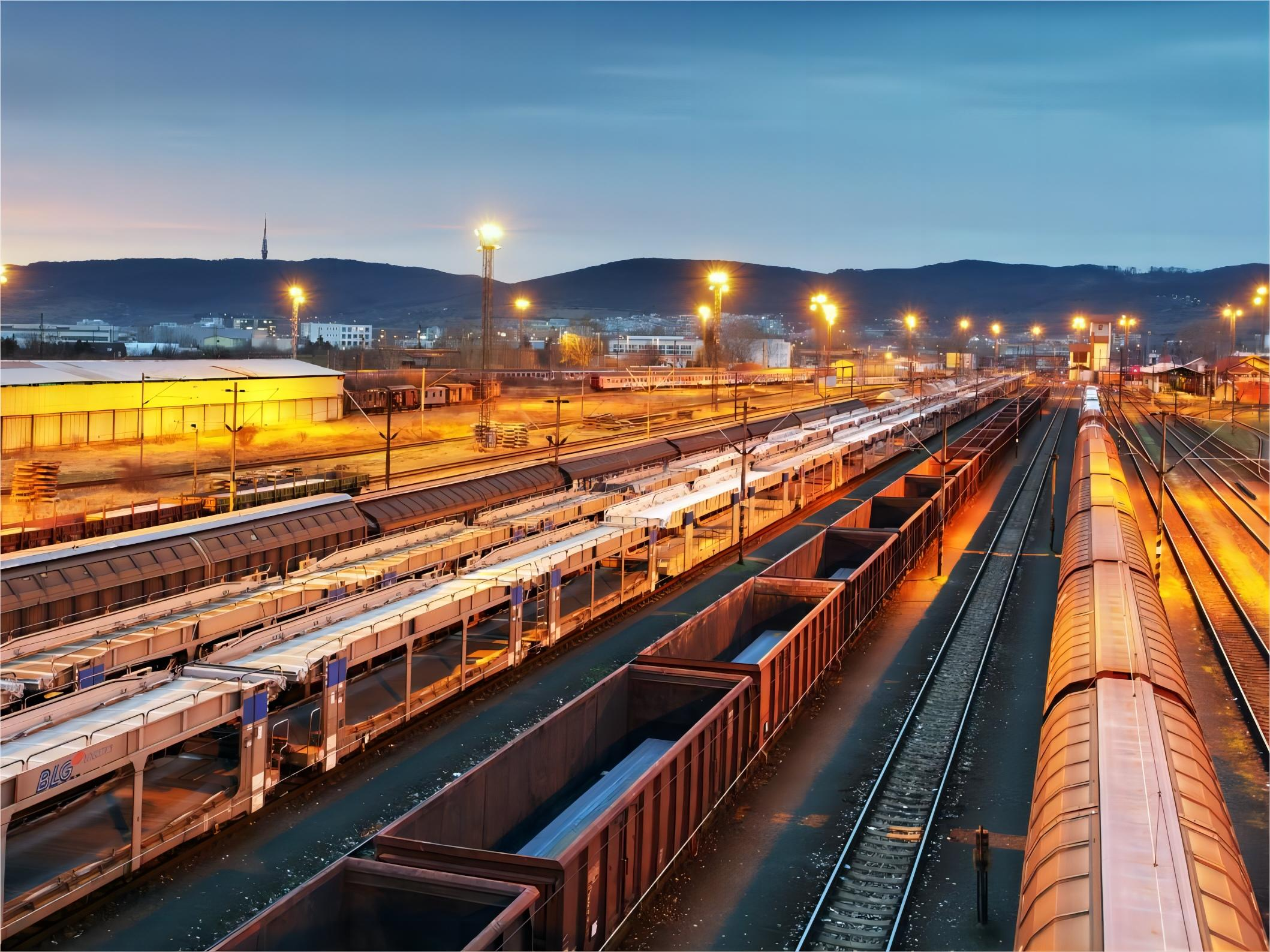
Determining the best shipping strategy requires evaluating your specific business needs. If your primary goal is cost-minimization for non-urgent goods, ocean freight remains the logical choice. On the other hand, if your production schedule is tight and you cannot afford a 40-day wait, rail is the superior option.
Cargo type also plays a significant role in the decision-making process. For example, high-value machinery or fashion items that depreciate quickly benefit immensely from the shorter transit times of rail. For absolute emergencies, air transport is still necessary, but for 90% of mid-to-high value trade, rail provides the optimal balance.
Consider our door to door service to simplify the entire process. This solution handles everything from the factory pickup in China to the final delivery at your European warehouse, reducing the administrative burden on your team.
Summary of Rail Logistics Success
In summary, the China to Europe rail freight logistics service has matured into a dependable and cost-effective pillar of global trade. By offering a transit time that is roughly half that of sea freight at a fraction of the cost of air, it solves the most common logistics dilemmas. Whether you are shipping full containers or smaller LCL loads, the rail network provides the flexibility needed to thrive in 2026.
As market conditions continue to evolve, staying informed about the latest routes and rates will ensure your business remains competitive. We encourage you to leverage the speed and reliability of the Eurasian rail link to enhance your supply chain efficiency.
Start Your Shipment
Ready to streamline your supply chain with a reliable China to Europe rail freight logistics service? Our team of experts is standing by to provide you with a competitive quote and a tailored shipping plan for 2026. Visit our inquiry page to get started today.
Request Quote