

China Shipping Company for Importers | Professional Guide 2026
Sourcing high-quality goods from overseas requires a reliable partner to navigate complex international supply chains and regulatory frameworks. Choosing a Alibaba Freight logistics solution ensures that your cargo moves efficiently while minimizing common transit delays and unexpected landed costs. As a professional China shipping company for importers, we provide the visibility and coordination necessary to manage multi-supplier consolidations and complex customs requirements. This comprehensive guide outlines the operational strategies required to optimize your freight throughput and maintain compliance in the current global trade environment.
Key Takeaways
A 40HQ container provides approximately 68-76 CBM of usable space, though 65-70 CBM is the recommended target for efficient palletized loading.
A 20GP container offers a functional capacity of 26-28 CBM, making it ideal for smaller, high-density shipments compared to LCL options.
Air freight chargeable weight is calculated as the greater of actual weight or volumetric weight (CBM multiplied by 167), with a standard 45kg minimum.
Proper ISF filing and commercial document preparation must be completed at least 24-48 hours prior to vessel departure to avoid significant port penalties.
When Should You Seek Professional Logistics Assistance?

Importers often reach a threshold where managing individual supplier relationships, export documentation, and carrier bookings becomes a full-time operational burden. When your business scales to handle multiple containers per quarter or requires complex coordination between domestic factories and international distribution centers, professional oversight becomes essential to mitigate risk. Engaging a specialized service provider early in the procurement phase allows for better strategic planning, particularly when dealing with volatile shipping markets or changing regulatory requirements.
The primary trigger for professional intervention is the complexity of managing ‘ex-works’ or ‘FOB’ terms across multiple origins. Without a centralized logistics partner, importers often face fragmented tracking, inconsistent documentation, and lack of visibility into landed costs until cargo arrives at the destination port. A professional partner acts as an extension of your procurement team, ensuring that factory-gate readiness matches carrier cut-off schedules and that all necessary export licenses are prepared well in advance of the vessel booking.
Mitigation of operational risk is the most significant benefit of early engagement. By centralizing your logistics through a single partner, you reduce the likelihood of split-shipment arrival, mislabeled cargo, or customs document errors that lead to costly detention and demurrage. We recommend conducting a logistics audit every six months to ensure your current volume, transit requirements, and budget constraints are aligned with the service levels provided by your forwarder.
Field note: Focus on early engagement to avoid last-minute bottlenecking.
Common mistake: Waiting until the goods are finished to contact a forwarder.
Risk alert: Failure to coordinate factory readiness with vessel schedules often leads to missed bookings.
Which Freight and Fulfillment Options Should You Compare First?
Comparing freight and fulfillment options requires a clear understanding of your specific cargo density, destination geography, and the required final delivery window. Most importers prioritize a balance between cost and speed; however, the choice between FCL, LCL, and air freight should be dictated by the specific needs of your inventory lifecycle. At Alibaba Freight, we analyze your average SKU velocity to determine whether a direct-to-warehouse approach or a multi-modal distribution strategy will yield the highest return on investment.
When comparing these services, you must account for the hidden costs associated with each mode, such as destination CFS fees for LCL or the higher transit reliability of air services. For importers scaling their e-commerce presence, integrating warehouse storage and distribution directly into the freight flow is a critical optimization step. This allows for immediate deconsolidation and inspection upon arrival, reducing the time your capital is tied up in transit and ensuring that products are retail-ready faster.
Your selection process should involve a cost-benefit analysis of total landed costs rather than just the port-to-port freight rate. Consider factors such as insurance coverage, the ability to track individual SKUs, and the flexibility to re-route cargo if a specific port becomes congested. Maintaining a robust logistics strategy involves evaluating these variables quarterly to adapt to changing carrier capacity and global economic shifts that affect shipping lanes.
| Equipment Type | Internal Volume (CBM) | Max Payload (kg / lbs) | Optimal Commodity Fit |
|---|---|---|---|
| 20ft Standard (20GP) | 28–30 CBM (26 usable) | 21,800 kg / 48,000 lbs | Dense, heavy cargo (machinery, auto parts, metals) |
| 40ft Standard (40GP) | 58–60 CBM (54 usable) | 26,500 kg / 58,400 lbs | General packaged cargo, standard palletized loads |
| 40ft High Cube (40HQ) | 68–76 CBM (68 usable) | 26,500 kg / 58,400 lbs | Bulky, lightweight goods (furniture, textiles, electronics) |
| 45ft High Cube (45HQ) | 85–86 CBM (78 usable) | 27,500 kg / 60,600 lbs | High-volume consumer retail distribution |
Field note: Total landed cost is the only accurate metric for comparison.
Common mistake: Ignoring the destination CFS and handling fees when comparing LCL rates.
Risk alert: Low freight rates are often offset by high destination handling and documentation fees.
How Do FCL, LCL, and Express Services Differ for Your Cargo?
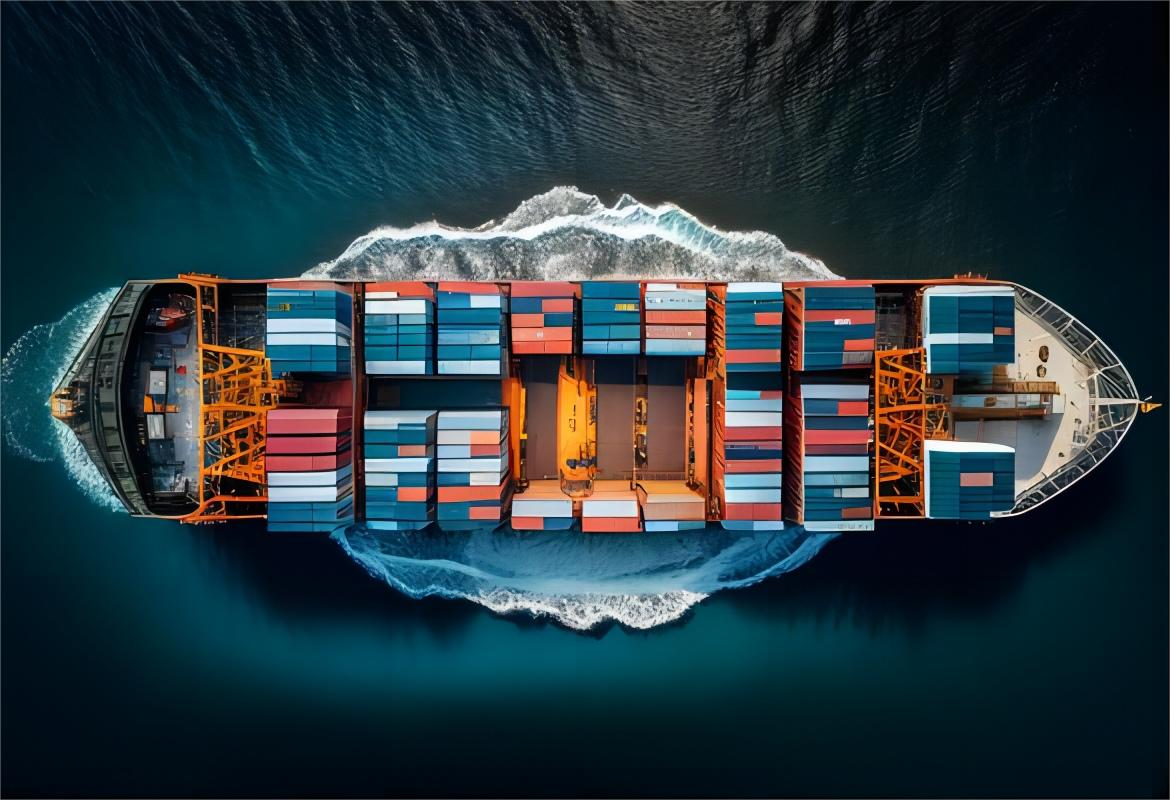
The structural difference between FCL, LCL, and express services lies in how your cargo occupies space and the priority it receives during transshipment. FCL shipping provides exclusive access to a container, which minimizes handling risks and allows for a more predictable arrival window. In contrast, LCL involves consolidating your cargo with other shippers into a shared container, which is cost-effective for smaller volumes but introduces additional handling at origin and destination CFS facilities, potentially extending the transit time.
Express or air freight services operate on a completely different operational tier, prioritizing speed over volume. These services are best suited for high-value goods or critical inventory replenishment where the cost of a stock-out exceeds the premium paid for air transport. When utilizing air freight, you must be prepared to manage chargeable weight calculations based on volumetric displacement, as large, lightweight items can significantly increase your per-kilogram costs compared to dense, palletized freight.
Understanding these differences enables you to optimize your logistics spend by matching the mode to the product profile. For instance, you might choose FCL for your core, high-volume product lines and utilize LCL or air freight for seasonal test batches or urgent stock reorders. By diversifying your shipping strategy, you create a resilient supply chain that can adapt to fluctuations in demand and carrier availability without compromising on your overall service delivery standards.
Field note: Match the mode to the product-market fit, not just the lowest rate.
Common mistake: Shipping air freight for low-margin goods that can wait for ocean transit.
Risk alert: LCL cargo is more susceptible to damage due to frequent handling at consolidation points.
What Timeline Should You Expect from Pickup to Final Delivery?
The total transit timeline for an import shipment is a sum of several distinct operational phases, starting from the cargo pickup at the factory and ending with the final delivery to your warehouse. You should expect a lead time that accounts for trucking to the origin port, port-side dwell time, ocean transit, customs clearance, and final drayage to your facility. In the current 2026 market, port congestion and carrier capacity constraints can add 5 to 10 days to standard schedules, making it vital to build a buffer into your planning.
Effective communication with your freight forwarder is the primary method for managing these expectations. We provide milestone tracking that keeps you informed during the critical handoffs, particularly the transition from vessel discharge to customs clearance. If your cargo is destined for a major regional hub, the drayage window can be the most unpredictable variable, often influenced by chassis availability and driver shortages at the destination terminal.
To minimize uncertainty, ensure your documentation is submitted accurately and well in advance of the vessel’s arrival. Pre-filing customs entries can significantly reduce the dwell time at the port, allowing your cargo to be released as soon as the vessel is discharged. By maintaining a consistent, proactive documentation process, you can achieve a more reliable delivery schedule and avoid the cascading delays that occur when paperwork is stalled at the border.
| Milestone | Typical Window | Owner | Delay Risk if Missed |
|---|---|---|---|
| Origin pickup / CY gate-in | T-5 to T-2 days before ETD | Shipper / drayage | Rolled booking & demurrage at origin |
| Border / port arrival | Mode-specific ETA band | Carrier / broker | Detention & storage accrual |
| Customs release | 24–72h after arrival (mode-dependent) | Licensed broker | Terminal hold & delivery slip |
| Final delivery appointment | Within free-time window | Consignee / carrier | Driver detention & re-delivery fees |
Field note: Always add a 20% time buffer for unexpected port delays.
Common mistake: Assuming that port arrival is the same as final delivery.
Risk alert: Customs holds are the most frequent cause of unpredictable delivery delays.
How Are Landed Costs and Service Fees Typically Structured?
Landed cost structures are composed of several layers, including the base ocean or air freight rate, fuel surcharges, terminal handling charges, and destination-specific customs duties and taxes. Understanding these components is vital for maintaining margins, as service providers may quote ‘all-in’ rates or itemize each fee to ensure transparency. At Alibaba Freight, we emphasize full transparency in our fee structures, providing itemized invoices that allow you to track every dollar spent on your logistics operations.
When evaluating quotes, always request a breakdown of destination charges, as these are often where hidden costs accumulate. Fees such as document preparation, terminal handling, and container cleaning can add significant costs to your landed total if they are not disclosed upfront. It is also important to consider the impact of currency fluctuations and bunker adjustment factors (BAF), which are frequently updated by carriers to reflect global fuel market trends.
Managing these costs effectively requires a strategic approach to procurement and long-term partnerships with your logistics provider. By consolidating your shipments and optimizing container utilization, you can significantly reduce your per-unit landed cost. We recommend establishing a quarterly review of your shipping costs to identify areas where efficiencies can be gained and to ensure that your freight rates remain competitive in a shifting market landscape.
Field note: Request itemized quotes to avoid surprises.
Common mistake: Focusing only on the ocean freight rate while ignoring destination CFS fees.
Risk alert: Fuel surcharges can fluctuate significantly; ensure your contract allows for index-based adjustments.
Which Documents and Compliance Checks Are Required?
Compliance is the bedrock of international trade, and the accuracy of your documentation is directly linked to the speed of your customs clearance. Essential documents such as the commercial invoice, packing list, and the bill of lading or air waybill must perfectly align with the physical cargo and the declared value. Any discrepancy, even a minor one, can trigger a customs hold, leading to inspection fees and significant, unnecessary delays at the port of entry.
Beyond standard shipping documents, you must be aware of destination-specific requirements, such as product certifications, safety labels, and import permits. For importers of regulated goods, these compliance checks are mandatory and must be verified before the cargo leaves the origin port. Working with an experienced Alibaba Freight consultant ensures that your files are reviewed for accuracy, reducing the risk of administrative penalties and ensuring a smooth passage through customs.
Maintaining a digitized, organized repository of all shipping documents is a best practice that simplifies future audits and improves operational efficiency. We encourage our clients to implement a document management system that tracks the status of every filing, from initial commercial invoice submission to the final delivery receipt. By treating compliance as a proactive operational task rather than a reactive hurdle, you protect your business from the significant financial and reputational risks of non-compliance.
| Document / Filing | Submission Window | Responsible Party | Clearance Impact |
|---|---|---|---|
| Customs Import Declaration | Prior to cargo discharge | Licensed Broker / Consignee | Terminal demurrage |
| Commercial Invoice & Packing List | Before vessel departure | Shipper / Exporter | Documentation hold |
| Master / House Bill of Lading | Post-departure confirmation | Freight Forwarder | Release freeze |
| Certificate of Origin (if req) | Prior to import duty assessment | Chamber of Commerce | Loss of tariff relief |
Field note: Digital archives reduce the risk of lost paperwork.
Common mistake: Providing inconsistent descriptions on the invoice vs. the packing list.
Risk alert: Customs inspections can be triggered by vague product descriptions.
How Do Peak Seasons and Capacity Changes Affect Your Plan?
Peak seasons, typically driven by retail demand cycles and holiday shopping, put immense pressure on global shipping capacity, leading to dramatic rate increases and space shortages. During these periods, carriers often implement general rate increases (GRI) and prioritize high-volume contracts, making it difficult for smaller importers to secure space if they have not planned ahead. Understanding these cycles is crucial for maintaining a consistent supply chain, as the cost of failing to secure capacity can be far higher than the cost of early planning.
To mitigate the impact of peak season volatility, we advise our clients to secure space at least four to six weeks in advance of their required departure dates. Developing a flexible logistics strategy that allows for multi-modal shifts, such as moving from ocean to air for essential inventory, provides a hedge against sudden carrier cancellations or port congestion. Maintaining strong, long-term relationships with your forwarder also ensures that you have priority status when capacity becomes constrained.
Capacity management is a dynamic process that requires continuous monitoring of global trade data and carrier performance. In 2026, we are seeing increased focus on regionalized supply chain hubs, which can impact traditional shipping lanes and lead to new congestion points. By staying informed and working with a provider who has robust network coverage, you can navigate these peak periods with greater stability and ensure your business operations remain uninterrupted by the seasonal stresses of the global freight market.
Field note: Book early to avoid the peak season premium.
Common mistake: Assuming space will be available on short notice during Q3/Q4.
Risk alert: Blank sailings during peak season can derail even the best-laid plans.
What Is the Step-by-Step Process from First Quote to Delivery?
The operational lifecycle of a shipment begins with a detailed inquiry, where we gather the cargo specifications, origin and destination points, and your required delivery window. Once the parameters are defined, we provide a competitive, itemized quotation that covers all aspects of the transport. Upon your approval, the booking is confirmed with the carrier, and the factory is notified to prepare the cargo for pickup, ensuring all export documentation is aligned with the booking confirmation.
Following the pickup, the cargo moves through the origin port, where it undergoes export clearance and is loaded onto the vessel or aircraft. Throughout the main haul, we provide consistent tracking updates, allowing you to monitor the progress of your shipment in real-time. We also handle the pre-arrival formalities at the destination, including customs filing and duty payment, ensuring that the cargo is cleared for release as soon as it arrives at the terminal or airport.
The final stage involves the deconsolidation and drayage of your cargo to its final destination. Whether you require delivery to your own warehouse or a distribution center, we coordinate the final leg to ensure a seamless handoff. Once the delivery is confirmed, we perform a post-shipment review to ensure all invoices were accurate and to capture any insights that can improve your future shipments. This systematic approach ensures that every shipment is managed with the same level of care and precision.
Field note: A systematic approach reduces the margin for error.
Common mistake: Skipping the post-shipment review, which misses opportunities for process improvement.
Risk alert: Inaccurate cargo weight declarations can cause significant delays during port weighing.
Decision Framework
By volume: Use FCL for shipments exceeding 25 CBM to leverage lower per-unit costs; use LCL for 1-15 CBM to avoid paying for empty container space.
By speed: Select air freight for inventory replenishment cycles under 10 days; choose ocean freight for standard stock replenishment (30-45 days).
By cargo profile: High-value, time-sensitive, or fragile electronics require air or premium LCL with crating; bulk raw materials are best suited for standard FCL ocean transit.
Real-World Corridor Case Studies
An importer of specialized automotive components faced consistent delays due to fragmented LCL logistics across three different suppliers. We implemented a consolidation program at a central hub near the Shanghai port, combining shipments into a weekly FCL container. This reduced transit variance by 15 days and saved the client 25% on annual freight costs by eliminating destination CFS surcharges.
A medical device distributor required high-priority air freight to maintain inventory levels for a major hospital contract. We established an expedited AWB process with a major carrier, ensuring that all regulatory certifications were pre-cleared by the Australian Border Force prior to flight landing. This resulted in a 48-hour door-to-door turnaround from the moment of dispatch.
Partnering for Long-Term Supply Chain Success
Selecting the right China shipping company for importers is a strategic decision that directly impacts your company’s operational efficiency and bottom line. By prioritizing transparency, compliance, and proactive communication, you can build a resilient supply chain that thrives even in volatile global markets. We invite you to leverage our expertise to streamline your international logistics and achieve greater control over your freight operations.
Whether you are scaling your business or optimizing existing shipping lanes, our team provides the support and visibility you need to succeed. We encourage you to reach out for a consultation to discuss your specific requirements and explore how our services can help you reach your growth goals in the coming year.
Process and Checkpoints
Inquiry & Logistics Audit
We analyze your cargo specifications and current supply chain pain points to develop a customized shipping strategy.
Booking & Allocation
Our team secures container space with major carriers to ensure your cargo meets the requested departure window.
Documentation & Compliance
We verify all export filings and customs paperwork to prevent delays at the border.
Main Haul & Tracking
Real-time tracking provides status updates on your ocean or air transit throughout the journey.
Customs Release
We facilitate pre-arrival customs filing to expedite the release of your goods upon arrival.
Final Delivery
The final drayage leg is coordinated to ensure your cargo reaches its destination on schedule.
Confirm the right route for your shipment
Ready to streamline your international imports? Request a free freight quote today to get transparent pricing, reliable transit times, and expert customs clearance advice for your business.
Request a route reviewFrequently Asked Questions
How do destination demurrage and detention charges accrue on 40HQ containers?
Demurrage charges accrue when a container stays in the terminal beyond the allowed free time, while detention applies when the container is held outside the terminal beyond the agreed period. These are calculated daily based on carrier-specific rates.
What hidden accessorial fees often cause freight invoice shocks?
Common hidden fees include terminal handling, document preparation, container cleaning, and fuel surcharges. These are often excluded from base freight rates and should always be clarified in your initial quote.
Which documents must be verified prior to requesting a Telex release?
Before a Telex release can be processed, all original bills of lading must be surrendered to the carrier at the origin, and all freight charges must be settled in full to ensure clear title transfer.
How can multi-supplier shippers prevent CFS dead-space penalties?
Shippers can prevent penalties by coordinating cargo readiness dates across all suppliers and utilizing a centralized consolidation warehouse to ensure the container is filled to its optimal capacity before departure.
Which destination customs documents should shippers prepare before sailing?
Align commercial invoice, packing list, and the destination national import declaration with the bill of lading before departure to avoid arrival holds.
Where does the freight forwarder take legal custody of multi-supplier cargo?
Legal custody typically transitions to the forwarder once the cargo is received at the consolidation warehouse or the origin terminal, as evidenced by the issuance of a Forwarder’s Certificate of Receipt.
Freight rates are subject to change based on carrier capacity, fuel costs, and market demand; contact Alibaba Freight for an itemized quote.
This guide is for informational purposes only and does not constitute legal, tax, or customs advice.
Benchmarks reflect standard 2026 industry practice for international shipping corridors.