
China Sea Freight Container Shipping FCL LCL Global Service 2026 | Top 5 Options: 1. China Sea Freight Container Shippin
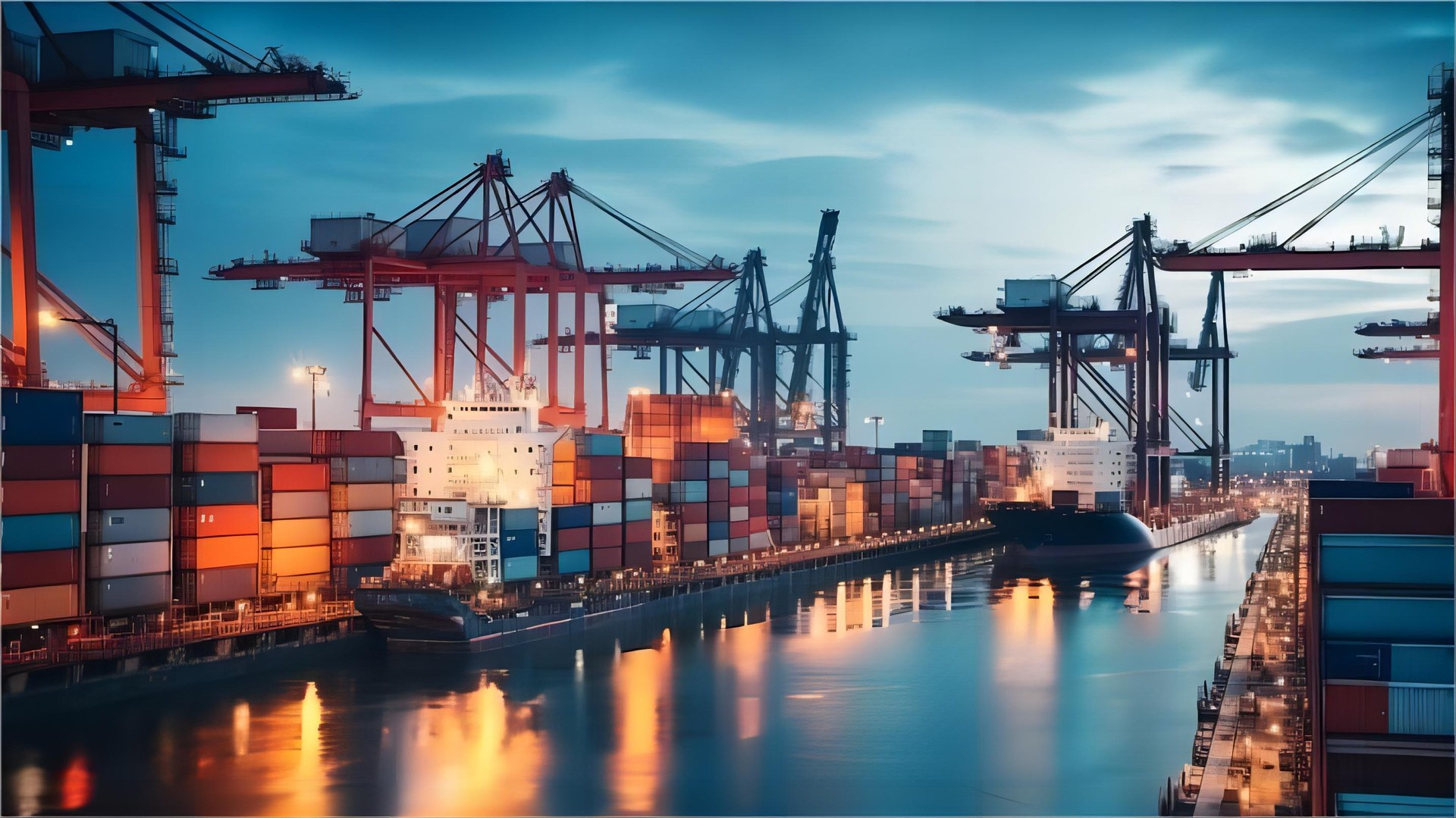
China sea freight container shipping fcl lcl global service remains the most vital link in the modern international trade network. Businesses that prioritize efficiency and cost-effectiveness often rely on Alibaba Freight to manage their complex logistics requirements across the globe. This comprehensive guide provides the necessary insights to navigate the evolving 2026 shipping landscape while ensuring your cargo reaches its destination safely.

Understanding China Sea Freight Container Shipping FCL LCL Global Service
Full Container Load (FCL) shipping offers a dedicated space for your goods, which significantly reduces the risk of contamination or damage from other cargo. Consequently, high-volume shippers prefer this method because it streamlines the loading and unloading processes at both origin and destination ports. Moreover, FCL provides a higher level of security since the container is sealed at the factory and only opened upon arrival at the final warehouse.
Less than Container Load (LCL) shipping serves as an alternative for businesses that do not have enough volume to fill a standard 20ft or 40ft container. In this scenario, multiple shipments from different customers are consolidated into a single unit to maximize space and reduce individual costs. Therefore, LCL is an excellent choice for small to medium enterprises that need to maintain a consistent supply chain without the expense of a full container.
Global logistics trends in 2026 indicate that hybrid solutions are becoming more popular to combat port congestion and fluctuating demand. Indeed, many companies now combine ocean freight with other modes to balance speed and budget. Choosing the right method requires a deep understanding of your specific cargo handling procedures and the overall delivery schedule required by your customers.
How Does Sea Freight Compare to Other Shipping Options?
Evaluating the best transport method involves comparing sea freight against air and rail alternatives. While air freight provides the fastest transit times, it is often prohibitively expensive for heavy or bulky items. On the other hand, sea freight offers the lowest cost per unit, making it the primary choice for long-distance global trade.
Rail freight provides a middle ground for shipments moving between China and Central Asia or the Middle East. However, it is not a viable option for routes to Australia or North America. Consequently, ocean transport remains the only realistic solution for most transcontinental cargo movements in 2026.
Furthermore, the environmental impact of sea freight is considerably lower than that of air transport. Many modern carriers are adopting green technologies to meet 2026 sustainability standards, which adds value to eco-conscious brands. To summarize, sea freight remains the most balanced option for volume, cost, and environmental responsibility.
| Shipping Method | Cost Range | Transit Time | Best For |
|---|---|---|---|
| Sea Freight | Low ($1,500 – $5,500) | 15 – 45 Days | Bulk Goods & Large Volumes |
| Air Freight | High ($5,000 – $25,000+) | 3 – 7 Days | Urgent & High-Value Cargo |
| Rail Freight | Medium ($3,000 – $7,000) | 12 – 22 Days | Eurasian Land Routes |
| Express Service | Very High | 2 – 5 Days | Samples & Small Parcels |
Analyzing 2026 Container Shipping Rates from China
Market data suggests that freight rates in 2026 have stabilized after several years of volatility. Nevertheless, seasonal demand during the third quarter typically causes a 15 to 25 percent increase in costs. For example, shipping a 40HQ container from Shanghai to the US East Coast might cost significantly more in September than in March due to the holiday rush.
Ocean freight transit times also play a role in determining the final landed cost of your goods. Longer routes with transshipments are usually cheaper but increase the risk of delays. In contrast, direct services command a premium price but provide more predictable delivery schedules for time-sensitive inventory.
Additionally, fuel surcharges and port handling fees contribute to the overall FCL vs LCL shipping costs. Shippers must account for these variables when calculating their annual logistics budgets. Accordingly, working with an experienced freight forwarder can help you lock in competitive rates through long-term contracts or volume discounts.
| Route (From China) | 20GP Container | 40HQ Container | Transit Time |
|---|---|---|---|
| Europe (Rotterdam) | $1,900 – $2,600 | $3,200 – $4,400 | 30 – 38 Days |
| USA West Coast | $1,600 – $2,300 | $2,900 – $3,900 | 14 – 18 Days |
| USA East Coast | $2,600 – $3,600 | $4,600 – $6,200 | 30 – 35 Days |
| Australia (Sydney) | $850 – $1,300 | $1,500 – $2,100 | 12 – 18 Days |
Essential Documentation for Global Container Shipping
Accurate import export documentation is the foundation of a successful international shipment. Without the correct paperwork, your cargo may face lengthy delays or expensive fines at the port of entry. Therefore, it is essential to prepare the Bill of Lading, Commercial Invoice, and Packing List with meticulous detail before the vessel departs China.
Customs clearance for sea cargo in 2026 has become increasingly digitized, requiring electronic submission of all certificates. For instance, specific products may require a Certificate of Origin or specialized permits depending on the destination country’s regulations. Consequently, many businesses utilize a customs brokerage service to ensure full compliance with local laws.
Furthermore, ensuring that your HS codes are correctly classified can prevent overpayment of duties. Misclassification is a common error that leads to audits and supply chain disruptions. Indeed, professional oversight during the documentation phase is one of the most effective ways to maintain a smooth global service.
Optimizing Your Supply Chain with Door to Door Services
Implementing a door to door shipping model simplifies the complex logistics of moving goods across continents. This comprehensive service covers every step of the journey, from the initial factory pickup in Shenzhen to final delivery at a warehouse in Europe. As a result, business owners can focus on their core operations while the freight forwarder manages the intricate details.
Moreover, this integrated approach often includes value-added services such as cargo insurance and real-time tracking. Having a single point of contact reduces communication errors and ensures that any issues are resolved quickly. For example, if a port strike occurs, the logistics provider can immediately pivot to an alternative route or storage solution.
Additionally, Amazon FBA sellers find these services particularly beneficial for meeting strict delivery windows. Maintaining a high seller rating requires consistent inventory levels, which is only possible with a reliable sea freight partner. Consequently, door-to-door solutions have become the standard for modern e-commerce businesses.
Which Option Should You Choose? Decision Framework
Choosing between FCL and LCL depends largely on your total cargo volume and budget priorities. If your shipment exceeds 15 cubic meters, FCL is typically the more economical and efficient choice. On the other hand, smaller shipments benefit from the flexibility of LCL, even if the cost per cubic meter is slightly higher.
Budget priority often dictates the use of slower, transshipment routes to save on ocean freight costs. However, if speed is a priority, you should opt for direct services or even a sea-air hybrid solution. For instance, shipping by sea to a regional hub and then by air to the final destination can save weeks of transit time compared to a full ocean voyage.
Volume thresholds for switching methods are also critical to monitor as your business grows. Once your LCL shipments regularly exceed 12-15 CBM, it is time to consider a 20ft FCL to improve your margins. To summarize, a flexible strategy that adapts to market conditions and cargo size is essential for long-term success.
Real-World Case Studies for Global Container Shipping
Case Study 1: Shenzhen to Hamburg. A furniture retailer needed to transport 25 CBM of high-end sofas. They chose a 40GP FCL to ensure the items were not stacked or damaged by other cargo. The ocean freight cost was $3,200, with a total landed cost of $4,150 after including origin and destination charges. The shipment arrived in 34 days, allowing the client to meet their Q3 sales targets.
Case Study 2: Ningbo to Los Angeles. An electronics startup shipped 12 CBM of consumer gadgets using LCL. By sharing container space, they kept their ocean freight cost down to $980. Despite a minor delay at the port of discharge, the total door-to-door time was 22 days. This approach allowed them to test the US market without committing to a full container of inventory.
Case Study 3: Shanghai to Sydney. A textile manufacturer required a 40HQ container for a large order of seasonal clothing. Based on early 2026 market rates, the ocean freight was $1,850. The total transit time was only 15 days due to a direct shipping route. This successful delivery demonstrated the efficiency of China to Australia sea freight for high-volume apparel shipments.
Note: Freight rates are subject to change based on fuel costs, carrier capacity, and seasonal demand. Contact us for a current quote tailored to your specific shipment.
Mastering Global Logistics in 2026
Successfully navigating the world of China sea freight container shipping fcl lcl global service requires a blend of strategic planning and expert execution. By understanding the nuances of FCL and LCL, businesses can significantly reduce their overhead while improving delivery reliability. Moreover, staying informed about 2026 market trends and documentation requirements ensures that your cargo moves through the global supply chain without unnecessary friction.
Reliable logistics partners provide the foundation for international growth and customer satisfaction. Whether you are shipping to North America, Europe, or Australia, the right sea freight strategy will determine your competitive edge. In conclusion, investing time in optimizing your container shipping choices today will yield substantial benefits for your business’s future.
Get Your Shipping Quote Today
Maximize your shipping efficiency today by choosing a reliable partner for your China sea freight container shipping fcl lcl global service. Visit our website to request a personalized quote and discover how we can optimize your global supply chain. See: https://alibabafreight.com/ for more details.