China Logistics Warehouse Fulfillment Ecommerce Shipping Service 2026 Guide
China logistics warehouse fulfillment ecommerce shipping service providers are essential for modern global trade. In 2026, businesses must navigate complex supply chains to remain competitive in the digital marketplace. By partnering with alibabafreight.com, companies can streamline their operations from the factory floor to the customer doorstep. This comprehensive guide explores how to leverage specialized logistics to reduce costs and improve delivery speeds across international borders.
✦
What is a China Logistics Warehouse Fulfillment Ecommerce Shipping Service?
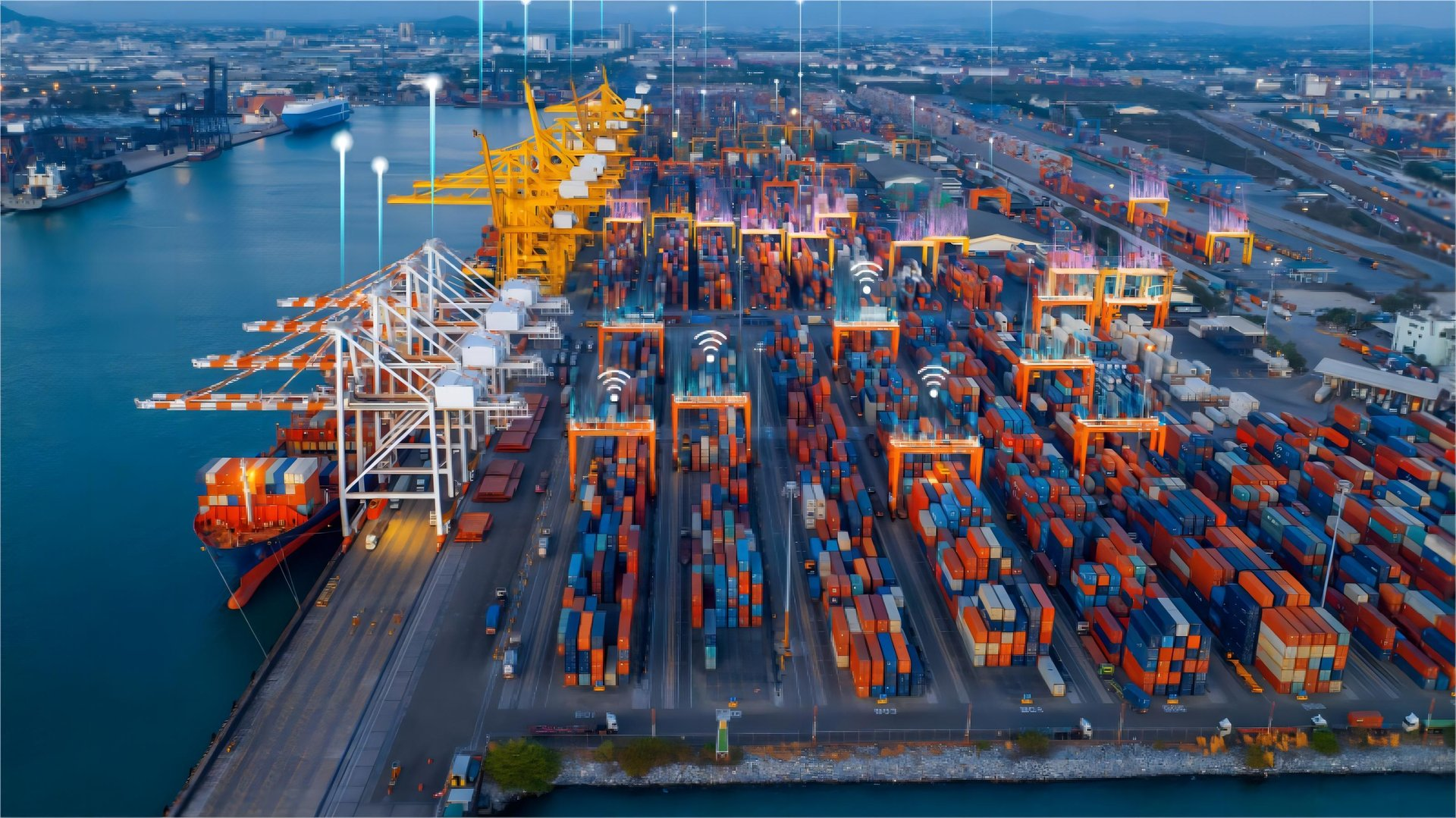
A specialized China logistics warehouse fulfillment ecommerce shipping service integrates storage, packing, and international transport into one seamless process. This model allows sellers to keep inventory close to manufacturing hubs, reducing initial transit times. Consequently, businesses can respond faster to market fluctuations and inventory shortages.
Third-party logistics providers offer sophisticated inventory management systems that sync directly with online storefronts. Moreover, these services handle the complex task of sea freight coordination for bulk inventory replenishment. By centralizing operations in China, brands can significantly lower their overhead costs compared to domestic warehousing.
Modern fulfillment centers in 2026 utilize automated sorting systems and real-time tracking to ensure accuracy. Therefore, the risk of shipping errors is minimized, leading to higher customer satisfaction rates. Additionally, these providers often offer value-added services like quality control inspections and custom labeling.
Benefits of Integrated Warehouse Solutions in 2026
Implementing an integrated warehouse solution provides a significant competitive advantage for global ecommerce brands. Specifically, it allows for consolidated shipping, where multiple small orders are grouped to reduce total freight expenses. As a result, even small businesses can access competitive shipping rates once reserved for large corporations.
Speed remains a critical factor in the success of any online business. Indeed, utilizing air freight for high-demand items ensures that stock levels remain optimal during peak seasons. Furthermore, local warehousing in China facilitates easier returns management and product refurbishing before items leave the country.
Customs clearance procedures are often a major bottleneck in international trade. However, professional fulfillment partners have deep expertise in local regulations and documentation. Consequently, they can expedite the movement of goods through major ports like Shanghai and Shenzhen without unnecessary delays.
Comparing Shipping Methods for Ecommerce Fulfillment
Selecting the right transport mode is a balancing act between cost and speed. For instance, while express services offer the fastest delivery, they carry the highest price tag per kilogram. On the other hand, rail and sea options provide much better value for heavy or bulky shipments.
The following table provides a clear comparison of the primary shipping methods available from China in 2026. Please note that these figures are based on current market averages and may fluctuate due to fuel surcharges or seasonal demand.
| Shipping Method | Transit Time | Cost Level | Best For |
|---|---|---|---|
| Express Shipping | 3-5 Days | High | Small, high-value items |
| Air Freight | 5-10 Days | Medium-High | Urgent inventory restock |
| Rail Freight | 18-25 Days | Medium | Europe-bound heavy goods |
| Sea Freight | 30-45 Days | Low | Bulk replenishment |
How Does China Logistics Warehouse Fulfillment Ecommerce Shipping Service Compare to Other Shipping Options?
Traditional shipping models often involve multiple middle-men, which can lead to increased costs and communication gaps. In contrast, a comprehensive China logistics warehouse fulfillment ecommerce shipping service provides a single point of contact. This holistic approach ensures better visibility across the entire supply chain.
Direct shipping from factories might seem cheaper initially, but it often lacks the quality control provided by a fulfillment center. Furthermore, factories rarely have the infrastructure to handle individual parcel shipping for B2C orders. Therefore, the fulfillment center acts as a vital bridge between manufacturing and the end consumer.
Hybrid solutions, such as sea-air combinations, are becoming increasingly popular in 2026 for those seeking a middle ground. For example, goods can be shipped via sea to a regional hub and then flown to the final destination to save time. This strategy offers a 30-40 percent cost saving compared to pure air freight while being twice as fast as standard sea routes.
| Shipping Strategy | Cost Range | Transit Time | Limitations |
|---|---|---|---|
| Direct Factory Ship | $5 – $15 per kg | 7-14 Days | No quality control |
| Warehouse Fulfillment | $3 – $10 per kg | 5-12 Days | Storage fees apply |
| Hybrid (Sea-Air) | $4 – $8 per kg | 15-20 Days | Complex scheduling |
| LCL Sea Freight | $50 – $150 per CBM | 35-50 Days | Slowest delivery |
Navigating Customs and Documentation Requirements
International shipping requires a mountain of paperwork to ensure compliance with global trade laws. For instance, the Commercial Invoice and Packing List must be meticulously prepared to avoid customs seizures. Additionally, obtaining a customs brokerage service is highly recommended for first-time importers.
Different regions have unique requirements, such as the CE marking for Europe or FDA registration for certain products in the USA. Consequently, your logistics partner must stay updated on changing regulations in 2026. Without proper documentation, shipments can face lengthy delays and expensive storage fees at the port of entry.
Digital documentation is now the standard, allowing for faster processing and fewer physical errors. Nevertheless, manual checks by customs officials still occur, making accuracy more important than ever. Indeed, a single discrepancy in a Harmonized System (HS) code can lead to significant fines or shipment rejection.
Case Study 1: Scaling Electronics to Europe
A growing consumer electronics brand needed to restock their European warehouses before the Q4 peak season. Initially, they struggled with high air freight costs that eroded their profit margins. By switching to a consolidated fulfillment model, they optimized their shipping spend significantly.
Route: Shenzhen, China to Rotterdam, Netherlands. Cargo: Smart Home Devices, 12 CBM, 2,800 kg. Container: LCL (Less than Container Load). Carrier: Maersk. Port of Loading: Shenzhen. Port of Discharge: Rotterdam. Route Type: Direct. Ocean Freight: $1,250. Origin Charges: $350. Destination Charges: $480. Customs and Duties: $2,100. Total Landed Cost: $4,180. Booking to Loading: 4 days. Sea Transit: 32 days. Customs Clearance: 3 days. Total Door-to-Door: 39 days. Key Insight: Consolidating small batches into LCL shipments saved the client 65 percent compared to air freight while maintaining sufficient stock levels.
Case Study 2: Apparel Distribution to North America
An apparel retailer faced challenges with unpredictable delivery schedules and high return rates. They implemented a Amazon FBA preparation service in China to ensure all items met strict warehouse standards. This proactive approach reduced their rejection rate to nearly zero.
Route: Ningbo, China to Los Angeles, USA. Cargo: Cotton T-shirts, 25 CBM, 4,500 kg. Container: 20GP Full Container. Carrier: COSCO. Port of Loading: Ningbo. Port of Discharge: Los Angeles. Route Type: Direct. Ocean Freight: $2,100. Origin Charges: $400. Destination Charges: $550. Customs and Duties: $3,200. Total Landed Cost: $6,250. Booking to Loading: 5 days. Sea Transit: 16 days. Customs Clearance: 2 days. Total Door-to-Door: 23 days. Key Insight: Utilizing a 20GP container for high-volume apparel provided the lowest cost per unit and protected the garments from damage during transit.

Understanding 2026 Freight Rates and Market Context
As of early 2026, the logistics industry has seen a stabilization of rates following the disruptions of previous years. However, seasonal spikes still occur, particularly during the lead-up to the Lunar New Year and the year-end holidays. Therefore, booking at least 3-4 weeks in advance is essential to secure space on major vessels.
Current market data suggests that freight rates from China to the USA West Coast are averaging between $1,800 and $2,500 for a 20GP container. Meanwhile, routes to the UK and Europe remain slightly higher due to longer transit distances and canal fees. It is important to note that fuel costs continue to be a volatile variable in the pricing equation.
Note: Freight rates are subject to change based on fuel costs, carrier capacity, and seasonal demand. Contact us for a current quote tailored to your specific shipment.
Decision Framework: Which Option Should You Choose?
Choosing the right logistics path depends entirely on your business priorities and cargo characteristics. If your primary goal is cost reduction for non-urgent goods, sea freight is the undisputed leader. Conversely, for high-value electronics or fashion items with short lifecycles, air freight or express services are necessary.
Volume thresholds also play a major role in the decision-making process. For shipments under 15 CBM, LCL is typically more economical than paying for a full container. However, once you exceed 15-20 CBM, the security and speed of a 20GP container often justify the small price difference.
Consider a door to door service if you prefer a hands-off approach to logistics. This option covers everything from factory pickup to final delivery, allowing you to focus on marketing and sales. Although it may carry a premium, the time saved and reduced risk of errors often provide a better return on investment.
Mastering Your Global Supply Chain
Successfully managing a China logistics warehouse fulfillment ecommerce shipping service requires a blend of local expertise and global reach. By understanding the various transport modes and leveraging integrated warehousing, businesses can achieve significant cost savings and faster delivery times. Furthermore, staying informed about market trends and customs requirements is crucial for avoiding costly delays.
As we move through 2026, the importance of a reliable logistics partner cannot be overstated. Whether you are shipping small parcels or full containers, the right strategy will empower your brand to scale effectively in the international market. Start optimizing your logistics today to ensure long-term growth and customer loyalty.