China logistics tracking system container cargo: 2026 Visibility Guide
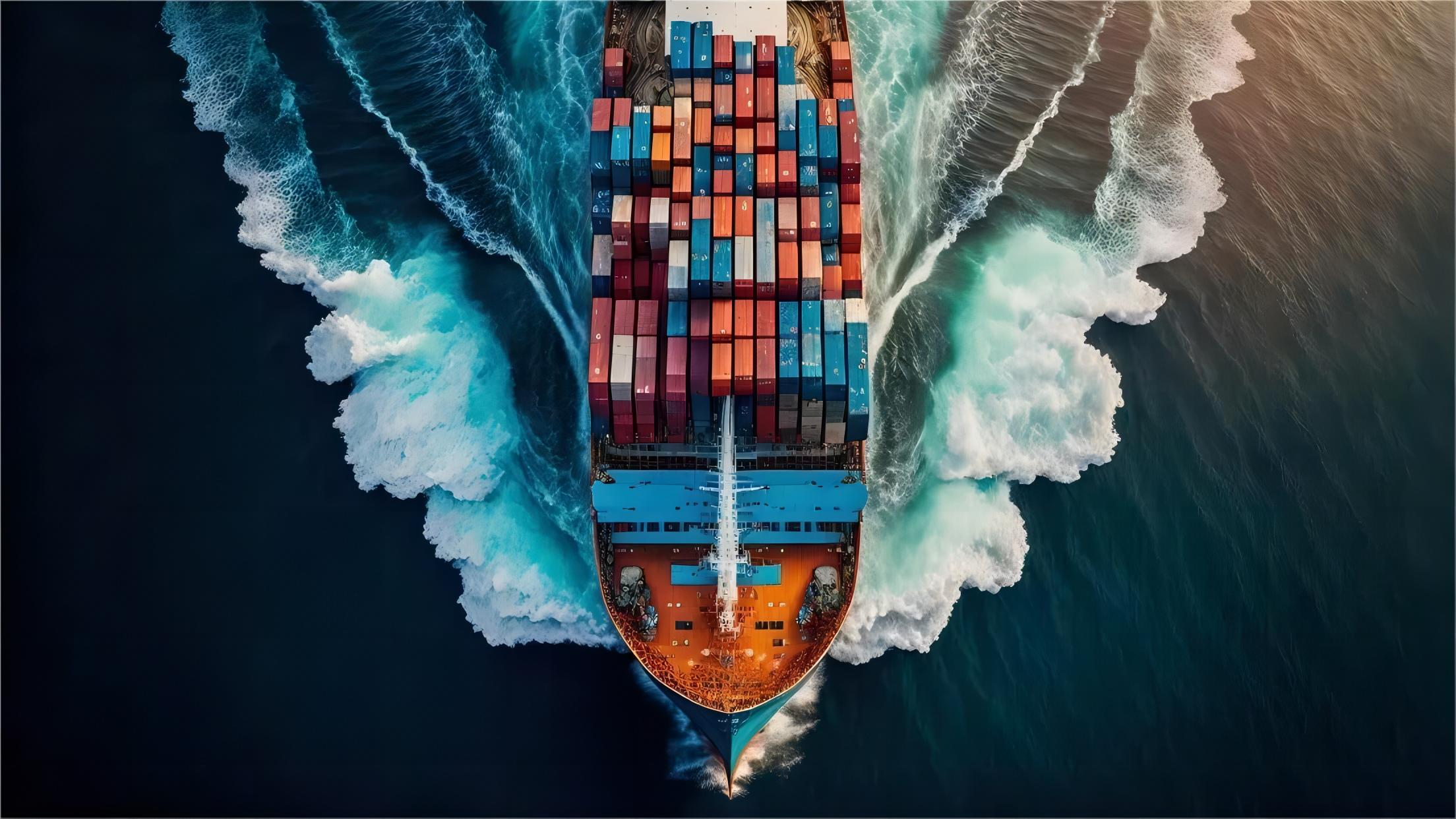
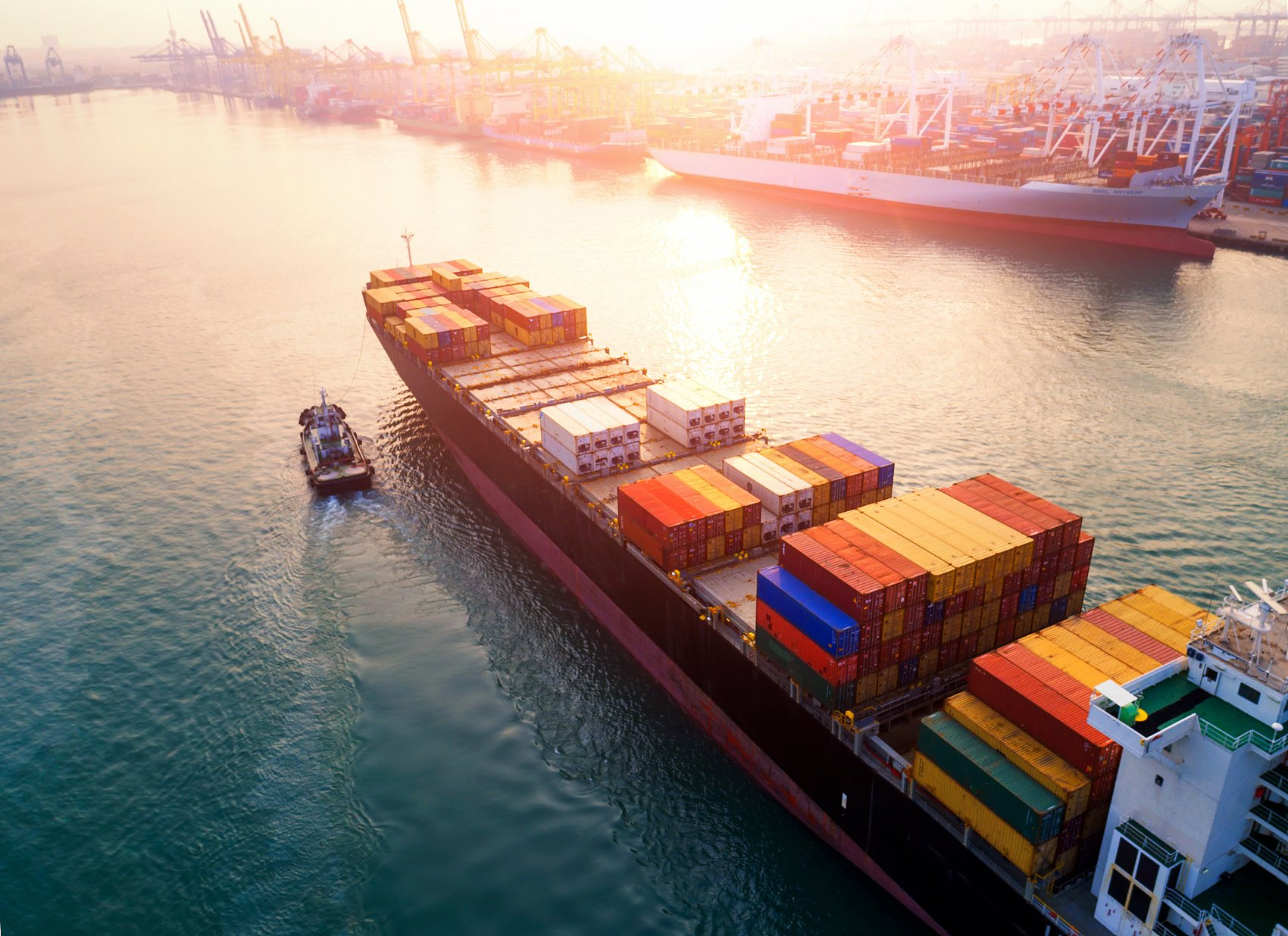
China logistics tracking system container cargo technology has become the backbone of modern international trade by providing unprecedented visibility. Businesses frequently face challenges with delayed updates and fragmented data across different carriers. At DSV-Freight, we solve these pain points by integrating advanced digital tools that offer real-time insights into every shipment milestone.
What Is a China Logistics Tracking System Container Cargo?
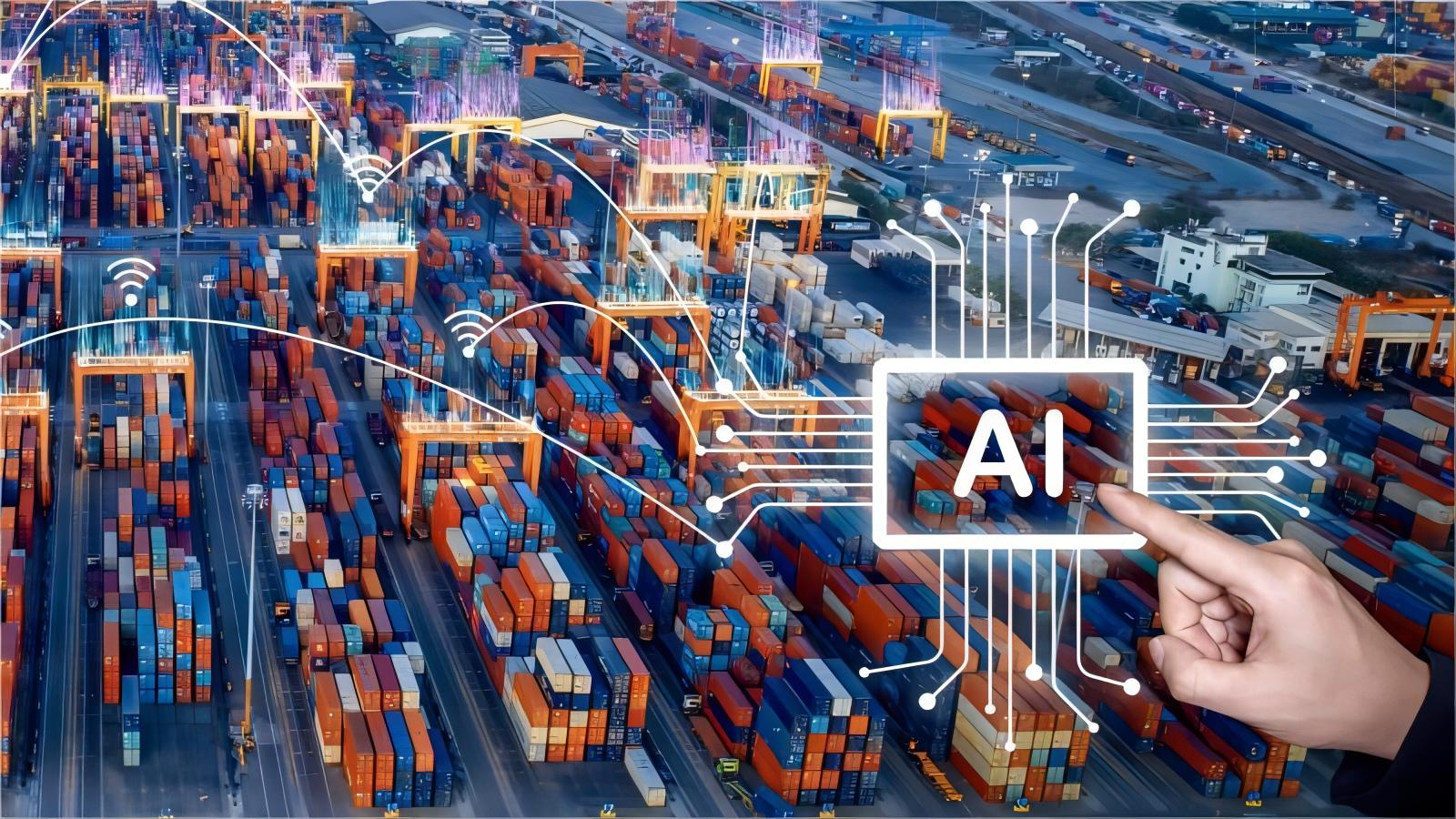
A China logistics tracking system container cargo refers to the integrated network of hardware and software used to monitor freight movements from Chinese ports. Furthermore, these systems utilize a combination of GPS, AIS, and IoT sensors to provide updates on location and condition. Consequently, shippers no longer have to rely on manual reports from multiple parties.
Modern platforms in 2026 have transitioned toward full automation and cloud-based data sharing. Moreover, this technology allows for the seamless exchange of information between manufacturers, carriers, and importers. Therefore, stakeholders can react quickly to potential disruptions in the global supply chain.
Implementing such a system ensures that every container is accounted for during its journey across the ocean. Additionally, the integration of electronic data interchange allows for faster processing at terminal gates. Indeed, the digital transformation of Chinese logistics has set a new global standard for transparency.
How Does China Logistics Tracking System Container Cargo Compare to Other Shipping Options?
Evaluating different transportation modes is essential for optimizing your logistics budget and timeline. While a China logistics tracking system container cargo offers the highest level of detail for maritime routes, other methods have distinct advantages. However, the level of tracking granularity often varies significantly between sea, air, and rail services.
For instance, air freight provides the fastest transit but comes with much higher costs per kilogram. On the other hand, rail freight serves as a middle ground for shipments moving toward Central Asia and Eastern Europe. To summarize, the choice depends on your specific balance of speed, cost, and visibility requirements.
| Shipping Method | Cost Range | Transit Time | Best For | Limitations |
|---|---|---|---|---|
| Sea Freight (FCL) | $1,800 – $4,500 | 14 – 40 Days | Bulk goods and large volumes | Longer transit times |
| Air Freight | $5.50 – $12.00/kg | 3 – 7 Days | High-value or urgent items | Very high cost |
| Rail Freight | $1,200 – $2,800 | 18 – 25 Days | Land-locked destinations | Limited route availability |
| Express Service | $8.00 – $15.00/kg | 2 – 5 Days | Small parcels and samples | Weight restrictions |
Decision Framework: Which Option Should You Choose?
Selecting the right method requires a clear understanding of your business priorities. If budget is your main priority, we recommend utilizing sea freight as it offers the lowest cost per unit for heavy cargo. Conversely, if speed is the priority for a critical product launch, air freight is the superior choice.
Cargo type also plays a significant role in the decision-making process. For example, perishable goods or high-tech electronics often justify the expense of faster modes. Meanwhile, durable consumer goods like furniture or textiles are best suited for standard container shipping.
Volume thresholds are another critical factor to consider. For shipments under 15 CBM, LCL at $50-80/CBM may be more economical than a full container. However, once you exceed that volume, booking a 20GP container usually becomes more cost-effective.

The Role of Customs Brokerage in Tracking Accuracy
Customs clearance is often the stage where tracking visibility becomes most obscured. Without a professional customs brokerage partner, shipments may sit in a ‘black hole’ of status updates. As a result, many importers experience unexpected delays that are not reflected in basic tracking systems.
Integrated tracking systems now include customs milestones as part of the standard dashboard. Furthermore, these systems can alert you when documents are filed or when an inspection is triggered. Consequently, you can manage stakeholder expectations more effectively during the final stages of transit.
Effective documentation is the key to maintaining a smooth flow of information. For instance, ensuring that the Bill of Lading and Commercial Invoice match perfectly prevents administrative holds. Indeed, high-quality data at the origin leads to fewer headaches at the destination port.
Case Study 1: Electronics from Shenzhen to Hamburg
Route: Shenzhen, China to Hamburg, Germany. Cargo: Consumer Electronics, 28 CBM, 12,000 kg. Container: 40GP. Shipping Details: Major carrier via Suez Canal. Port of Loading: Shenzhen. Port of Discharge: Hamburg. Route Type: Direct.
Cost Breakdown: Ocean Freight: $3,200. Origin Charges: $450. Destination Charges: $600. Customs and Duties: $1,200. Total Landed Cost: $5,450. Timeline: Booking to Loading: 4 days. Sea Transit: 32 days. Customs Clearance: 2 days. Total Door-to-Door: 38 days.
Key Insight: Utilizing a real-time tracking system allowed the client to coordinate warehouse staffing exactly 48 hours before the container arrived. Based on Q1 2026 market rates, this direct route saved 5 days compared to transshipment options.
Case Study 2: Furniture from Ningbo to Los Angeles
Route: Ningbo, China to Los Angeles, USA. Cargo: Home Furniture, 65 CBM, 18,000 kg. Container: 40HQ. Shipping Details: Direct Trans-Pacific service. Port of Loading: Ningbo. Port of Discharge: Los Angeles. Route Type: Direct.
Cost Breakdown: Ocean Freight: $3,400. Origin Charges: $400. Destination Charges: $850. Customs and Duties: $900. Total Landed Cost: $5,550. Timeline: Booking to Loading: 3 days. Sea Transit: 16 days. Customs Clearance: 3 days. Total Door-to-Door: 22 days.
Key Insight: Despite minor port congestion in California, the China logistics tracking system container cargo alerts provided early warning of a 2-day delay. Typical rates as of early 2026 show that direct West Coast routes remain the most efficient for North American distribution.
Optimizing Your Supply Chain with Door to Door Services
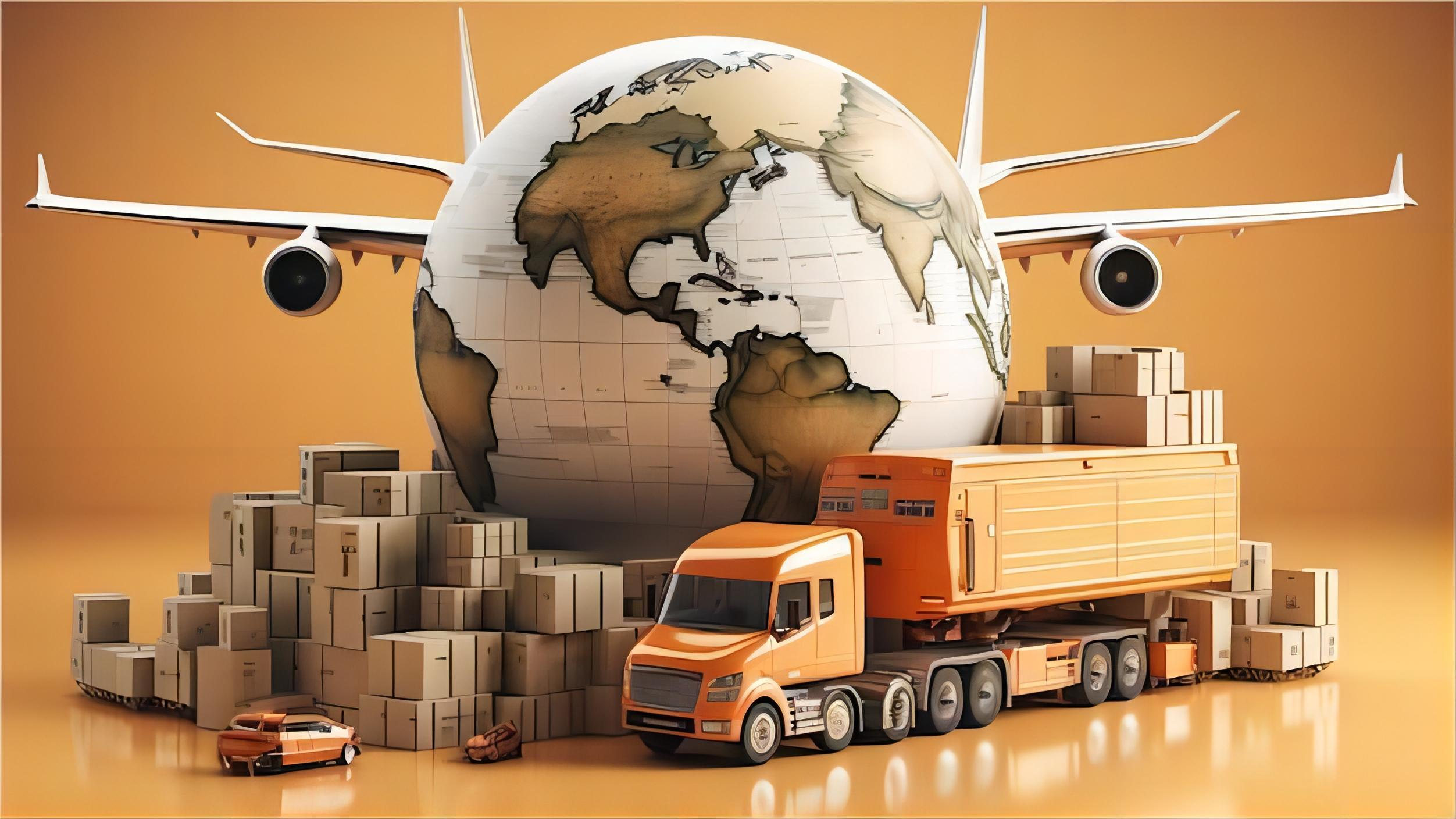
Many businesses prefer a hands-off approach to logistics by using door to door solutions. This model integrates the China logistics tracking system container cargo data from the factory floor all the way to the final warehouse. Consequently, the importer only needs to interface with a single point of contact.
Moreover, this approach eliminates the need for the buyer to arrange local trucking at both ends. Therefore, the risk of communication gaps between different service providers is significantly reduced. In addition, consolidated billing makes financial tracking much simpler for accounting departments.
Choosing a full-service provider ensures that all transit legs are synchronized. For example, the truck is scheduled to arrive at the port exactly as the container is released from customs. Without a doubt, this level of coordination is only possible through advanced digital tracking platforms.
Shipping to Europe: Navigating Complex Logistics Networks
Shipping from China to Europe involves navigating some of the world’s busiest maritime lanes. As of Q1 2026, freight rates have stabilized following previous disruptions, but monitoring remains vital. Furthermore, the diversity of European ports means that tracking systems must handle various local data formats.
For instance, shipments to the UK might face different customs protocols than those destined for the European Union. However, a unified tracking dashboard can bridge these gaps by providing a standardized view of the cargo status. Consequently, logistics managers can maintain control over multi-country distribution strategies.
In addition, the rise of green corridors in European shipping has introduced new data points for tracking. Shippers can now monitor the carbon footprint of their container alongside its physical location. Indeed, sustainability data is becoming as important as transit time for many modern corporations.
Express Service for Urgent Cargo Requirements
Sometimes, the standard sea route is simply too slow for high-priority needs. In these cases, an express service provides the necessary speed to keep production lines running. Although the cost is higher, the tracking frequency is often near-instantaneous.
Moreover, express providers operate their own networks, which allows for tighter control over the cargo. Consequently, the likelihood of a package being lost or delayed is significantly lower than with general freight. Therefore, businesses often use this method for high-value components or critical spare parts.
Transitioning from sea freight to express for small batches can also help manage inventory levels. For example, if a specific product sells out faster than expected, express shipping can bridge the gap until the next container arrives. Meanwhile, the tracking system ensures you know exactly when the stock will hit the shelves.
Future Trends in China Logistics Tracking 2026-2027
The landscape of cargo monitoring is evolving rapidly with the introduction of artificial intelligence. Predictive analytics can now estimate arrival times with 98 percent accuracy by analyzing historical weather and port data. Furthermore, blockchain technology is being used to create immutable records of every container event.
As a result, the industry is moving toward a zero-paperwork environment. Electronic Bills of Lading (eBL) are becoming the standard, reducing the time spent on physical document couriers. Consequently, the entire logistics cycle is becoming faster and more secure.
Smart containers equipped with internal sensors are also seeing wider adoption. These devices monitor temperature, humidity, and even shocks during transit. Therefore, shippers of sensitive goods like pharmaceuticals or high-end electronics can ensure product integrity throughout the journey.
Summary of Tracking Excellence
Mastering the China logistics tracking system container cargo is essential for any business involved in global trade in 2026. By choosing the right technology and shipping partners, you can transform your supply chain from a source of stress into a competitive advantage. Furthermore, the integration of real-time data allows for proactive decision-making that saves both time and money.
Whether you choose sea freight for its cost-effectiveness or express services for its speed, visibility remains the common thread for success. Remember that freight rates are subject to change based on fuel costs, carrier capacity, and seasonal demand. Contact us for a current quote tailored to your specific shipment needs and ensure your cargo is always within sight.
Need a tailored shipping solution?
Take control of your international shipments today by leveraging our advanced China logistics tracking system container cargo. Contact our experts at DSV-Freight to receive a competitive quote and experience the benefits of full supply chain visibility. Visit our inquiry page to start your journey toward smarter shipping. See: https://alibabafreight.com/contact/