China Logistics Company International Shipping: 2026 Guide
Managing global trade requires a dependable China logistics company international shipping partner to navigate complex supply chains and shifting market conditions. As we enter 2026, businesses must find efficient ways to transport goods while maintaining profitability and meeting strict delivery schedules. Choosing DSV-Freight ensures your cargo moves seamlessly from Chinese manufacturing hubs to your final destination with professional oversight.
✦How to Evaluate a China Logistics Company International Shipping Partner?
Selecting the right partner involves more than just comparing the lowest freight rates available on the market. Furthermore, you must assess their communication standards, local network within China, and their ability to handle specialized cargo requirements.
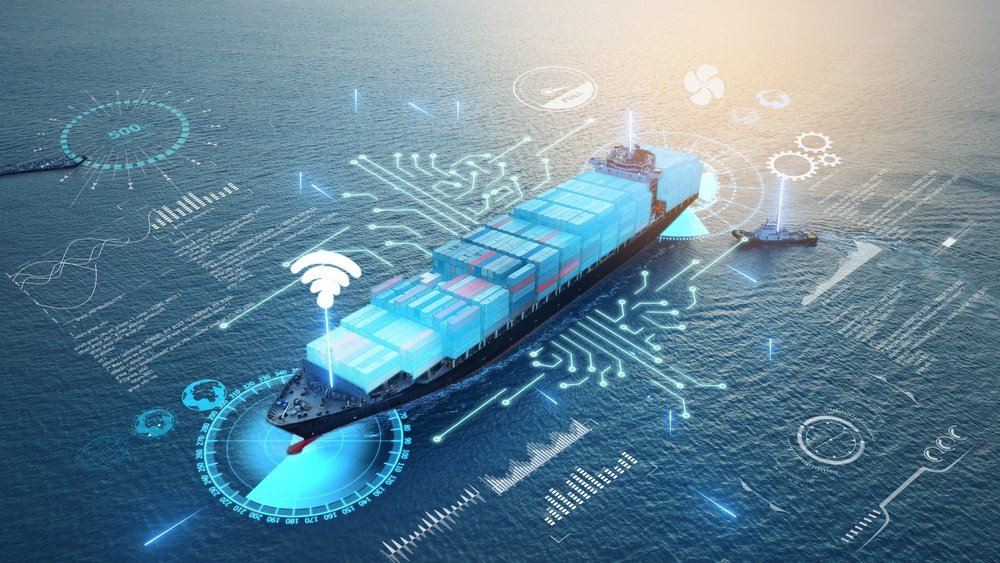
Experienced providers offer comprehensive visibility into the shipping process through advanced tracking technologies. Consequently, you can monitor your inventory in real-time and make informed decisions about your stock levels and marketing campaigns.
Reliability serves as the cornerstone of any successful long-term partnership in the international trade sector. Indeed, a company with established relationships with major carriers like COSCO and Maersk can often secure space during peak seasons when capacity is tight.
Moreover, the ideal logistics provider acts as an extension of your own team by identifying potential bottlenecks before they occur. They should understand the nuances of various Chinese ports, from the bustling docks of Shanghai to the high-tech terminals in Shenzhen.
How Does Sea Freight Compare to Other Shipping Options?
Objective analysis of shipping methods allows businesses to balance cost-efficiency with the urgency of their inventory needs. While ocean transport remains the most popular choice for bulk commodities, other alternatives offer specific advantages depending on the volume and destination.
Sea freight typically offers the lowest cost per unit for large shipments, making it the primary choice for furniture, machinery, and consumer electronics. However, the longer transit times require careful planning to avoid stockouts during high-demand periods.
Alternatively, rail and air solutions provide faster delivery at a higher price point. In addition to speed, these methods often involve different handling procedures and insurance requirements that can impact the total landed cost of your goods.
Market data suggests that hybrid solutions are becoming more common in 2026 to mitigate port congestion and fluctuating fuel surcharges. Many importers now utilize a mix of ocean and air transport to keep their supply chains agile and responsive.
| Shipping Method | Cost Range | Transit Time | Best For |
|---|---|---|---|
| Sea Freight | $1,500 – $4,500 | 14-40 Days | Large Volume |
| Air Freight | $5,000 – $15,000 | 3-7 Days | Urgent Goods |
| Rail Freight | $2,000 – $5,000 | 18-25 Days | Mid-range Budget |
| Express | $200 – $1,000 | 2-5 Days | Small Samples |
Leveraging Sea Freight for Bulk Cargo
Utilizing sea freight provides the most economical path for moving high volumes of goods across the ocean. This method accommodates both Full Container Load (FCL) and Less than Container Load (LCL) configurations based on your specific needs.
Standard 20-foot and 40-foot containers allow for standardized cargo handling and efficient loading onto massive vessels. Furthermore, LCL shipping enables smaller businesses to share container space, significantly reducing their individual transportation expenses.
Consequently, merchants can scale their operations without the burden of massive upfront logistics costs. Nevertheless, you must account for potential delays at major transshipment hubs like Singapore or Busan when calculating your delivery schedule.
Typical rates as of early 2026 show that ocean freight prices have stabilized, though seasonal spikes still occur during the lead-up to the Lunar New Year. Planning your bookings at least four weeks in advance remains the best strategy for securing competitive pricing.
Speeding Up Delivery with Air Freight
Choosing air freight is essential when time-to-market is the most critical factor for your business success. This method drastically reduces the transit time from weeks to days, allowing you to respond quickly to sudden changes in consumer demand.
High-value items such as electronics, pharmaceuticals, and fashion apparel benefit most from the security and speed of air transport. Additionally, the reduced time spent in transit lowers the risk of damage or theft compared to longer sea voyages.
Therefore, the higher initial investment often pays off through increased inventory turnover and improved customer satisfaction. Meanwhile, logistics experts recommend using air transport for initial product launches while waiting for larger sea shipments to arrive.
According to industry benchmarks, air freight costs are calculated based on either actual weight or volumetric weight. Understanding these calculations helps you optimize your packaging to avoid unnecessary surcharges from the airlines.
Cost-Effective Solutions via Rail Freight
Implementing rail freight offers a middle-ground solution for shipments traveling from China to Europe. This method is significantly faster than sea transport and more affordable than air freight, making it an attractive option for many manufacturers.
Regular departures from hubs like Xi’an and Chengdu connect directly to major European rail terminals. Consequently, businesses can maintain a steady flow of goods without the high volatility often seen in the ocean shipping market.
Moreover, rail transport is considered more environmentally friendly than air or sea options, which aligns with the sustainability goals of many modern corporations. However, this route is not available for destinations in North America or Australia due to geographical constraints.
Recent market intelligence indicates that rail infrastructure continues to improve, leading to more consistent transit times and better cargo security. It remains a vital component of the modern Silk Road trade network in 2026.
Streamlining E-commerce with Amazon FBA
Optimizing your Amazon FBA logistics is crucial for maintaining high seller ratings and ensuring prompt delivery to customers. Professional logistics providers specialize in meeting Amazon’s strict labeling and packaging requirements to avoid costly warehouse rejections.
Shipping directly from China to Amazon fulfillment centers requires precise coordination and deep knowledge of the platform’s internal systems. Furthermore, using a freight forwarder that understands FBA workflows can save you significant time and frustration.
Indeed, managing the entire process from the factory floor to the Amazon warehouse allows you to focus on marketing and sales. Consequently, you can grow your brand faster while the logistics experts handle the complexities of international transport.
Reliable FBA shipping services often include inspection and consolidation, ensuring that only high-quality products reach the end consumer. This proactive approach minimizes returns and protects your reputation on the global marketplace.
Navigating Regulations with Customs Brokerage
Effective customs brokerage is the key to avoiding expensive delays and legal complications at the border. Every country maintains its own set of import regulations, duties, and taxes that must be precisely followed to ensure smooth clearance.
Professional brokers prepare all necessary documentation, including commercial invoices, packing lists, and certificates of origin. Additionally, they stay updated on the latest trade agreements and tariff changes that could affect your bottom line.
Without expert guidance, even a small clerical error can lead to shipments being held at the port for weeks. Therefore, investing in quality brokerage services is a strategic move that protects your supply chain from unnecessary disruptions.
Note: Freight rates and customs fees are subject to change based on fuel costs, carrier capacity, and seasonal demand. Contact us for a current quote tailored to your specific shipment needs.

Which Option Should You Choose?
Deciding on the best shipping method requires a clear understanding of your business priorities and the nature of your cargo. If your primary goal is to minimize costs and you have flexible deadlines, sea freight is almost always the superior choice.
Conversely, if you are shipping perishable goods or high-tech equipment that needs to reach the market immediately, air freight is the logical investment. You must also consider the volume of your shipment, as small parcels are best handled by express services.
Volume thresholds often dictate when it is more economical to switch from LCL to a full 20GP container. For instance, shipments exceeding 15 cubic meters (CBM) typically benefit from the flat rates associated with FCL shipping.
Ultimately, a hybrid strategy often provides the best balance of speed and cost. You might choose to ship 20 percent of your inventory via air to meet immediate demand while sending the remaining 80 percent by sea to maintain your margins.
Real-World Case Studies for China Logistics
Examining real-world scenarios provides valuable insights into the practical challenges and costs associated with international trade. These examples reflect typical market conditions as of 2026 and highlight the importance of professional logistics management.
Each case study demonstrates how different shipping methods impact the total landed cost and the overall timeline of a project. By reviewing these data points, you can better estimate the requirements for your own upcoming shipments from China.
Case Study 1: Electronics to North America
Case Study 1: High-Volume Consumer Electronics
Route: Shenzhen, China to Long Beach, USA
Cargo: Smart Home Devices, 65 CBM, 12,500 kg
Container: 40HQ Full Container Load
Shipping Details:
– Carrier: Major Ocean Carrier
– Port of Loading: Shenzhen (Yantian)
– Port of Discharge: Long Beach
– Route Type: Direct Sea Freight
Cost Breakdown:
– Ocean Freight: $3,200
– Origin Charges: $450
– Destination Charges: $600
– Customs Duties: $1,200 (Estimated)
– Total Landed Cost: $5,450
Timeline:
– Booking to Loading: 4 days
– Sea Transit: 16 days
– Customs Clearance: 3 days
– Total Door-to-Door: 23 days
Key Insight: Using a direct route to the West Coast saved 12 days compared to an East Coast discharge, allowing the client to meet a critical retail launch date.
Case Study 2: Industrial Parts to Europe
Case Study 2: Urgent Industrial Components
Route: Ningbo, China to Hamburg, Germany
Cargo: Precision Valves, 4 CBM, 850 kg
Container: LCL (Less than Container Load)
Shipping Details:
– Carrier: Rail Freight Service
– Port of Loading: Ningbo (via Xi’an Hub)
– Port of Discharge: Hamburg Terminal
– Route Type: Transcontinental Rail
Cost Breakdown:
– Rail Freight: $1,100
– Origin Charges: $250
– Destination Charges: $300
– Customs Duties: $400 (Estimated)
– Total Landed Cost: $2,050
Timeline:
– Booking to Loading: 5 days
– Rail Transit: 21 days
– Customs Clearance: 2 days
– Total Door-to-Door: 28 days
Key Insight: Rail freight provided a 15-day advantage over sea freight at a fraction of the cost of air transport, perfectly balancing the client’s budget and timeline.
Future Trends in China Logistics for 2026
Staying ahead of industry trends is essential for maintaining a competitive edge in the global marketplace. In 2026, we are seeing a massive shift toward digital documentation and automated cargo handling systems that reduce human error and speed up processing.
Sustainability has also become a major focus, with carriers investing in LNG-powered vessels and electric delivery vehicles for the last mile. Consequently, shippers who prioritize green logistics may benefit from tax incentives and improved brand loyalty.
Artificial intelligence is now being used to predict port congestion and optimize shipping routes in real-time. This technology allows a China logistics company international shipping specialist to reroute shipments proactively, avoiding delays caused by weather or labor strikes.
Moreover, the integration of blockchain technology provides an immutable record of every transaction and movement within the supply chain. This transparency builds trust between buyers and sellers while simplifying the complex customs clearance process.
Mastering Your Global Logistics Strategy
Successfully navigating the world of international trade requires a combination of strategic planning and the right partnerships. By understanding the various shipping methods and market trends of 2026, you can optimize your operations for both speed and cost.
A professional China logistics company international shipping provider offers the expertise needed to overcome the challenges of customs, transit times, and fluctuating rates. Whether you are shipping by sea, air, or rail, having a dedicated team on your side ensures your cargo arrives safely and on time.
Ultimately, the goal is to create a resilient supply chain that can withstand global disruptions while delivering value to your customers. Start your journey toward more efficient logistics today and watch your business thrive in the international arena.
Streamline your global supply chain today by partnering with a trusted expert. Contact us to receive a personalized quote for your China logistics company international shipping needs and experience reliable service.
Request Quote