

China Factory to Europe Amazon FBA Logistics: 2026 Shipping Guide
Navigating the complexities of China factory to Europe Amazon FBA logistics requires a strategic approach to balance speed and cost in 2026. As global trade routes stabilize, sellers must optimize their supply chains to maintain competitive margins on the European marketplace. Understanding the latest transit trends and regulatory requirements is essential for any successful e-commerce venture. To streamline your operations, visit DSV-Freight for comprehensive logistics support tailored to your business needs.
What Are the Best Shipping Methods for China Factory to Europe Amazon FBA Logistics?
Choosing the right transportation mode is the most critical decision in your logistics planning process. For most sellers, sea freight remains the backbone of international trade due to its high capacity and lower price point. However, the choice depends heavily on your inventory turnover and budget constraints.
Moreover, the 2026 market offers diverse options including ocean, rail, and air solutions. Each method serves a specific purpose within the modern supply chain. Consequently, smart sellers often utilize a mix of these services to manage seasonal demand fluctuations effectively.
Additionally, you must consider the specific requirements of Amazon fulfillment centers across Europe. Different countries like Germany, France, and Italy may have varying local delivery preferences. Therefore, selecting a flexible shipping partner is vital for long-term success.
How Does China to Europe Sea Freight Compare to Other Shipping Options?
Ocean transport is traditionally the most economical way to move large volumes of goods over long distances. In the current 2026 landscape, sea freight provides a stable solution for non-urgent inventory. Furthermore, it allows for both Full Container Load (FCL) and Less than Container Load (LCL) shipments.
In contrast, other methods like air freight offer significantly faster transit times at a much higher premium. While sea freight might take 30 to 40 days, air cargo arrives in less than a week. This makes sea freight ideal for planned restocking rather than emergency inventory gaps.
Meanwhile, rail freight has emerged as a middle-ground alternative that balances speed and expenditure. It typically offers a 15 to 20 percent cost saving compared to air while being twice as fast as sea. The following table provides a detailed comparison of these primary shipping methods.
| Shipping Method | Cost Range | Transit Time | Best For |
|---|---|---|---|
| Sea Freight | $2,000 – $4,200 | 30 – 45 Days | Bulk Inventory |
| Rail Freight | $3,000 – $5,500 | 18 – 24 Days | Mid-size Shipments |
| Air Freight | $5.00 – $9.00/kg | 5 – 8 Days | High-value Goods |
| Express | $8.00 – $12.00/kg | 3 – 5 Days | Urgent Samples |
Why Is Rail Freight a Popular Middle-Ground Solution?
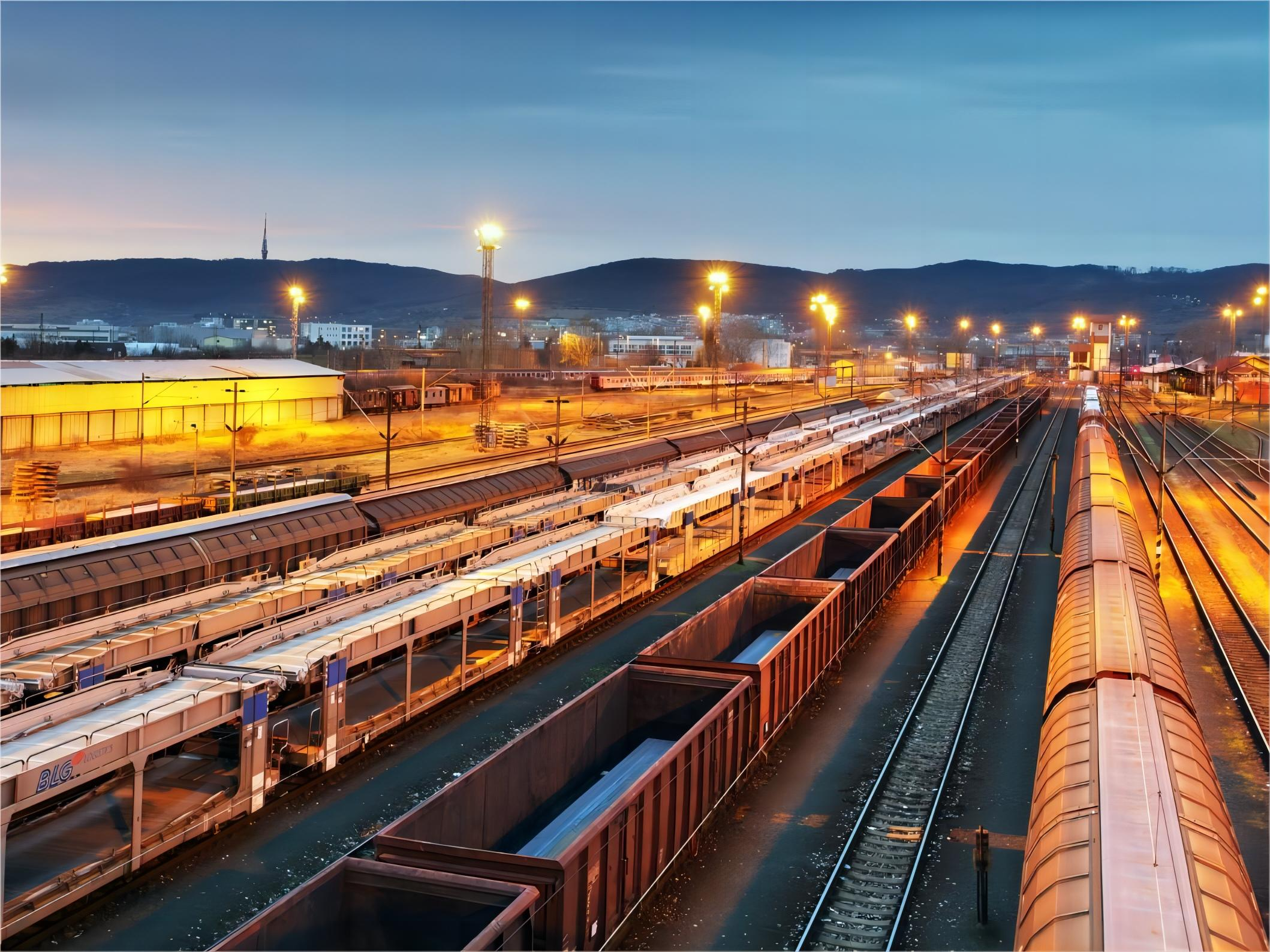
The Iron Silk Road has become a cornerstone of rail freight connectivity between Chinese manufacturing hubs and European consumers. It provides a reliable schedule that is less affected by maritime weather conditions. Additionally, rail transport is considered more environmentally friendly than air or sea options.
Furthermore, many Amazon sellers use rail to maintain a steady flow of goods without the high costs of flying inventory. This method is particularly effective for heavy or bulky items that are too expensive for air transport. Consequently, it has seen a 15 percent increase in usage throughout early 2026.
Indeed, the infrastructure improvements across Central Asia have reduced delays significantly. Sellers can now track their containers in real-time as they pass through various transit points. Therefore, rail remains a top choice for those seeking a balance of efficiency and cost-effectiveness.
Can Air Freight Speed Up Your 2026 Supply Chain?
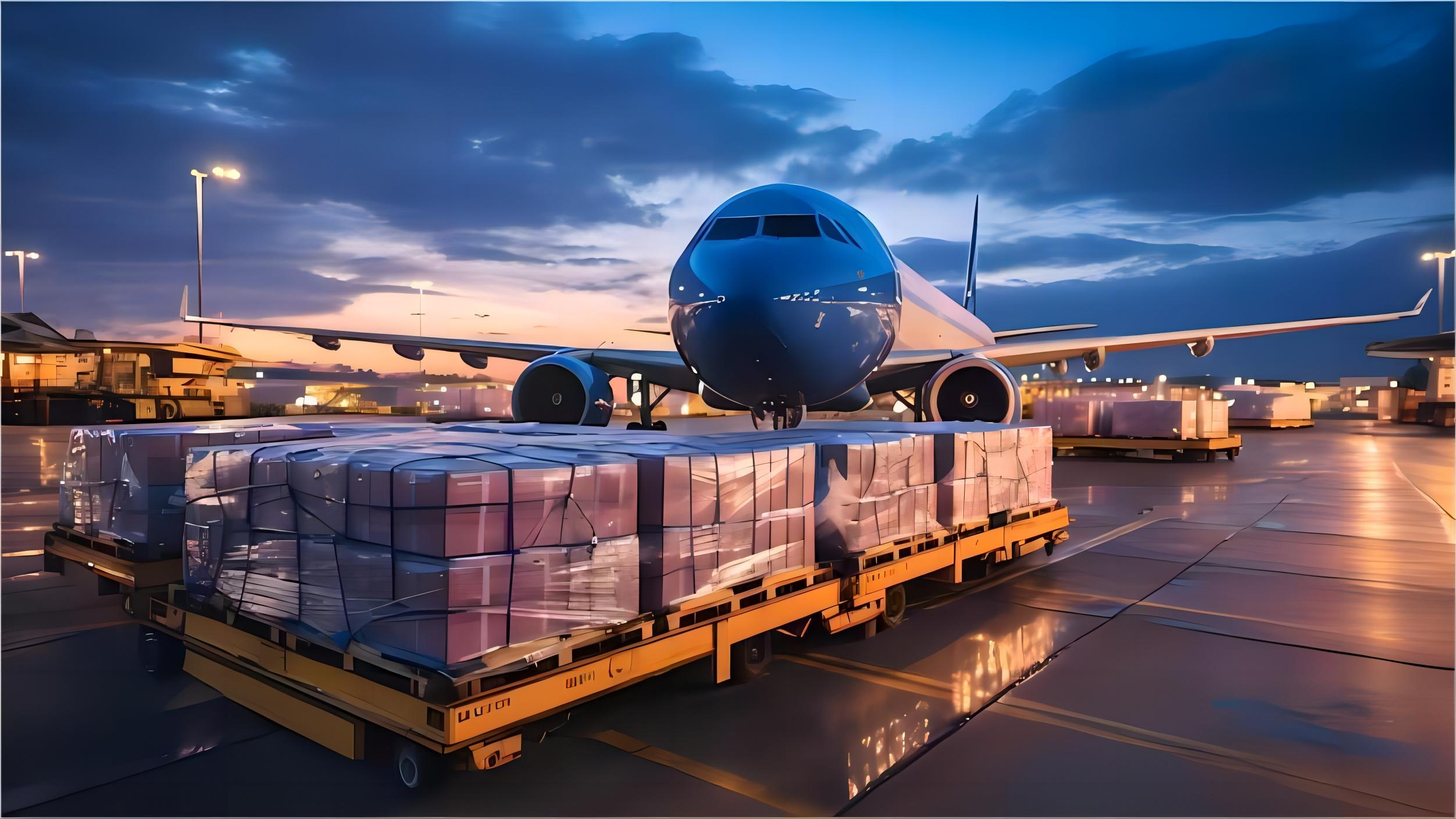
When time is of the essence, air freight is the only viable option for rapid replenishment. It is especially useful for launching new products or responding to unexpected viral trends on Amazon. Moreover, the reduced transit time minimizes the risk of stockouts during peak shopping seasons.
However, the high cost per kilogram means that air transport is best reserved for light, high-margin products. Electronics, fashion accessories, and premium beauty products are common candidates for this method. Additionally, air cargo offers higher security and lower insurance premiums due to shorter exposure times.
Specifically, many sellers use air freight for the first 10 percent of a new product launch. This allows them to start selling immediately while the bulk of the inventory follows via sea. As a result, they can capture market interest without waiting over a month for the initial shipment.
What Are the Typical Costs for China to Europe FBA Shipping?
Understanding the cost structure of China factory to Europe Amazon FBA logistics is essential for accurate pricing strategies. In 2026, freight rates are influenced by fuel surcharges, seasonal demand, and geopolitical stability. Generally, shipping a 40HQ container from Shanghai to Rotterdam ranges between $3,500 and $4,500.
Additionally, sellers must account for origin charges, documentation fees, and destination handling costs. These ‘soft costs’ can add several hundred dollars to the total landed cost. Furthermore, customs duties and Value Added Tax (VAT) are significant factors that vary by product category.
Market data suggests that rates typically peak between August and October in preparation for the holiday season. Therefore, booking your shipments at least 4 to 6 weeks in advance can help secure better rates. The table below outlines typical 2026 pricing for major European routes.
| Route | 20GP Container | 40HQ Container | Transit Time |
|---|---|---|---|
| China to Germany | $2,100 – $2,600 | $3,800 – $4,400 | 32 Days |
| China to France | $2,200 – $2,700 | $3,900 – $4,500 | 35 Days |
| China to Poland | $2,000 – $2,500 | $3,600 – $4,200 | 28 Days |
| China to Italy | $2,300 – $2,800 | $4,000 – $4,600 | 34 Days |
How to Manage Customs and Compliance in the European Union?
Navigating European customs requires a thorough understanding of local regulations and tax laws. Every seller must obtain an Economic Operators Registration and Identification (EORI) number to import goods into the EU. Moreover, working with a professional customs brokerage ensures that all paperwork is filed correctly to avoid delays.
Furthermore, compliance with the Import One-Stop Shop (IOSS) or standard VAT registration is mandatory for Amazon sellers. Failure to comply can result in seized shipments or heavy fines from European tax authorities. Consequently, it is vital to verify the Harmonized System (HS) codes for all your products before shipping.
Additionally, ensure that your packaging meets EU standards, including CE marking where applicable. Documentation such as the Commercial Invoice, Packing List, and Bill of Lading must be precise and consistent. Therefore, meticulous attention to detail during the preparation phase will save significant time at the border.
Which Option Should You Choose for Your Amazon Business?
Determining the best logistics strategy depends on your specific business goals and product characteristics. If your primary focus is maximizing profit margins on bulky items, sea freight is the logical choice. However, if you are competing in a fast-paced niche, the speed of air freight might justify the expense.
Moreover, many successful sellers utilize Amazon FBA specialized logistics providers to handle the final mile delivery. These experts understand the strict appointment scheduling and palletizing requirements of Amazon warehouses. As a result, they can prevent costly rejections at the fulfillment center gates.
In addition, consider a hybrid approach for your 2026 operations. Shipping 20 percent of your stock via rail and 80 percent via sea can provide a safety net against maritime delays. This diversified strategy ensures that you always have inventory available for your customers.
Real-World Case Studies: China to Europe Logistics Success
Case Study 1: Electronics from Shenzhen to Hamburg
Route: Shenzhen, China to Hamburg, Germany
Cargo: Consumer Electronics, 15 CBM, 3000 kg
Container: LCL (Less than Container Load)
Shipping Details: Major ocean carrier via Suez Canal
Cost Breakdown: Ocean Freight: $1,200; Origin/Dest Charges: $650; Total: $1,850
Timeline: 34 Days door-to-door
Key Insight: Using LCL allowed the seller to maintain stock without the cost of a full container.
Case Study 2: Home Decor from Ningbo to Rotterdam
Route: Ningbo, China to Rotterdam, Netherlands
Cargo: Wooden Furniture, 68 CBM, 12000 kg
Container: 40HQ (High Cube)
Shipping Details: Direct sea route, Q1 2026 rates
Cost Breakdown: Ocean Freight: $4,100; Customs/Duties: $2,200; Total Landed: $6,300
Timeline: 38 Days total
Key Insight: Booking 5 weeks in advance secured a rate 15 percent below the seasonal average.
Final Thoughts on China to Europe FBA Logistics
Mastering China factory to Europe Amazon FBA logistics is a continuous process of adaptation and optimization. By choosing the right mix of sea, rail, and air freight, you can balance cost and speed to meet customer expectations. Furthermore, staying informed about customs regulations and market trends will protect your business from unexpected disruptions.
As we move through 2026, the importance of a reliable logistics partner cannot be overstated. Whether you are shipping small parcels or full containers, having a clear strategy is essential for profitability. Start implementing these logistics solutions today to ensure your Amazon business thrives in the competitive European market.
Get Your Shipping Quote Today
Optimizing your China factory to Europe Amazon FBA logistics is the key to scaling your e-commerce brand in 2026. Contact our expert team today to receive a customized freight quote and streamline your international supply chain. Visit our inquiry page to start your journey: Send Inquiry
Request Quote