
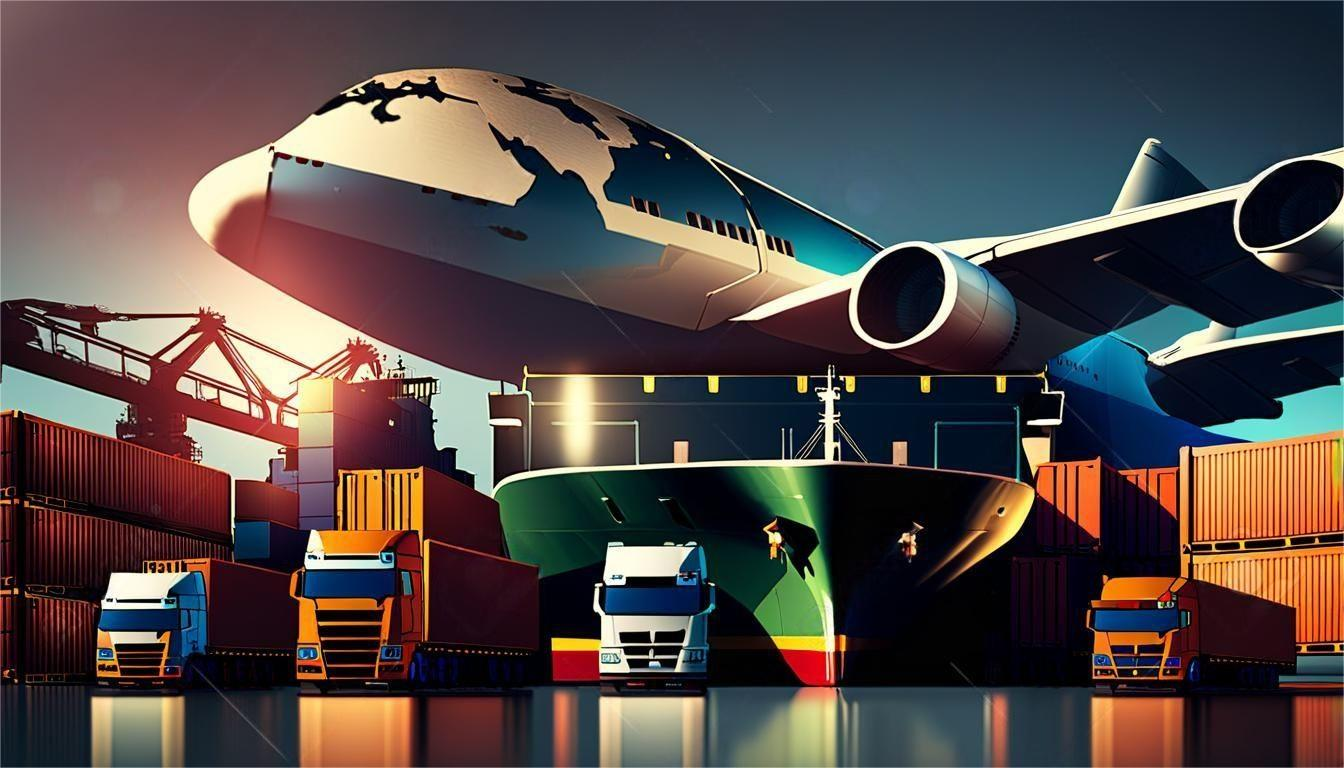
China Cargo Shipping Air Sea FCL LCL Door to Door: 2026 Guide
Navigating the complexities of global logistics requires a comprehensive understanding of china cargo shipping air sea fcl lcl door to door services to maintain a competitive edge. At DSV-Freight, we simplify international trade by providing tailored solutions that meet the diverse needs of modern businesses. Consequently, choosing the right freight method can significantly impact your bottom line and delivery schedules. In addition, understanding the nuances of customs and transit times ensures a smoother import process for your organization.
Understanding the Fundamentals of China Cargo Shipping Air Sea FCL LCL Door to Door
International trade relies heavily on the efficiency of china cargo shipping air sea fcl lcl door to door networks to move goods from manufacturing hubs to consumers. Specifically, the integration of multiple transport modes allows businesses to balance speed and cost according to their specific inventory needs.
Moreover, the logistics landscape in 2026 has evolved to offer more transparency and reliability than ever before. For instance, advanced tracking systems now provide real-time updates on container locations across the Pacific and Indian oceans. Therefore, importers can manage their supply chain with greater precision and less risk.
Furthermore, the choice between air and sea freight often dictates the overall success of a product launch. While air freight offers rapid delivery, sea freight remains the backbone of global commerce due to its massive capacity. Consequently, businesses must evaluate their volume and urgency before committing to a specific shipping strategy.
Additionally, the rise of e-commerce has increased the demand for flexible shipping options. As a result, logistics providers have expanded their door to door services to include comprehensive customs handling and last-mile delivery. This evolution ensures that even small businesses can access global markets with ease.
Why Choose Sea Freight for Your China Cargo Shipping?
When handling large volumes of goods, sea freight remains the most economical solution for long-distance transport. Indeed, the cost per unit is significantly lower when compared to air or express services, making it ideal for bulk commodities and heavy machinery.
Meanwhile, the stability of ocean freight rates in early 2026 has provided a predictable environment for budget planning. For example, a standard 40HQ container from Shanghai to Europe now follows a more consistent pricing trend than in previous years. Nevertheless, seasonal peaks still require careful booking to avoid space shortages.
Moreover, ocean transport allows for the movement of hazardous materials and oversized cargo that air carriers often restrict. Consequently, industrial sectors rely on sea routes to maintain their production lines without interruption. In addition, modern vessels are increasingly eco-friendly, helping companies meet their sustainability goals.
Notably, the choice between FCL and LCL within sea freight provides further flexibility. While FCL offers exclusive use of a container, LCL allows smaller shipments to share space, reducing costs for those with lower inventory levels. Therefore, sea freight is adaptable to businesses of all sizes.
When to Choose Air Freight for Urgent Cargo
For time-sensitive shipments, air freight is the undisputed leader in speed and reliability. Specifically, goods can travel from Shenzhen to New York in as little as 3 to 5 days, which is vital for high-value electronics or perishable items.
Additionally, the security protocols at major airports reduce the risk of theft and damage during transit. Consequently, luxury goods and sensitive medical equipment are frequently shipped via air to ensure they arrive in pristine condition. Furthermore, the shorter transit time reduces the need for extensive inventory holding.
However, the higher cost of air transport means it is best reserved for cargo with high profit margins or urgent deadlines. As a result, many businesses use air freight as a supplementary method to handle stockouts or unexpected surges in demand. In contrast, sea freight serves as the primary method for routine replenishment.
Furthermore, air cargo capacity has stabilized in 2026, allowing for more competitive pricing on major routes. For instance, dedicated freighters now offer consistent schedules between China and major global hubs. Consequently, businesses can rely on air transport for their most critical supply chain needs.
Full Container Load vs Less than Container Load Options
Deciding between FCL and LCL is a critical step in optimizing your china cargo shipping air sea fcl lcl door to door strategy. For example, FCL is generally faster because the container does not need to be consolidated or deconsolidated at various ports. Therefore, it is the preferred choice for large-scale importers.
On the other hand, LCL provides a cost-effective entry point for startups and small enterprises. By sharing container space, these businesses only pay for the volume they use, which is measured in cubic meters. Consequently, LCL enables a more frequent shipping schedule without the need to wait for a full container load.
Moreover, the risks associated with LCL, such as potential delays during consolidation, are mitigated by choosing experienced freight forwarders. These professionals ensure that all cargo within a shared container is properly documented and handled. Indeed, the efficiency of LCL has improved significantly with better warehouse management systems.
Note: Freight rates are subject to change based on fuel costs, carrier capacity, and seasonal demand. Contact us for a current quote tailored to your specific shipment.
| Cost | Lowest per unit | Medium | Highest |
| Transit Time | 20-40 Days | 25-45 Days | 3-7 Days |
| Best For | Bulk/Large volume | Small/Medium volume | Samples/Urgent |
| Security | High (Sealed) | Moderate | Very High |
The Strategic Advantage of Door to Door Logistics
Utilizing a door to door service eliminates the complexity of managing multiple logistics providers. Specifically, the freight forwarder handles everything from the initial pickup at the factory in China to the final delivery at your warehouse. Consequently, this end-to-end solution saves time and reduces administrative errors.
Furthermore, door to door services often include integrated customs clearance, which simplifies the import process. Instead of coordinating with separate brokers, importers benefit from a single point of contact who manages all documentation. As a result, the likelihood of cargo being held at the port is significantly reduced.
Moreover, this method provides better cost visibility, as most quotes are inclusive of all handling fees and local delivery charges. Therefore, businesses can calculate their landed costs more accurately before the shipment even departs. This transparency is essential for maintaining healthy profit margins in a competitive market.
Additionally, the convenience of door to door shipping allows business owners to focus on their core operations rather than logistics. By outsourcing the entire transport chain, companies can scale more effectively and respond to market changes with agility. Indeed, it is the ultimate solution for modern global trade.
How Does China Cargo Shipping Air Sea FCL LCL Door to Door Compare to Other Shipping Options?
While sea and air are the primary modes, rail freight has emerged as a powerful alternative for Eurasian routes. Specifically, it offers a middle ground between the speed of air and the low cost of sea transport. Consequently, it is becoming a popular choice for shipments to Europe.
Moreover, multimodal solutions, such as sea-air combinations, provide additional flexibility. For example, cargo can be shipped by sea to a hub like Dubai and then flown to its final destination. This hybrid approach balances transit time and budget constraints effectively, offering a unique strategy for savvy logistics managers.
In addition, direct express services are often more suitable for very small parcels or documents. While expensive, they provide the fastest possible transit times and door-to-door tracking. However, for shipments over 100kg, traditional air or sea methods are almost always more economical.
Therefore, selecting the right method involves evaluating the trade-offs between cost, speed, and cargo volume. By understanding all available options, importers can design a resilient supply chain that adapts to different scenarios. Specifically, having a backup shipping method is a key component of risk management in 2026.
| Sea Freight | Economy / Slow | Large Inventory | Weather/Port Delays |
| Air Freight | Premium / Fast | High-Value Goods | Weight Limits |
| Rail Freight | Mid-Range / Moderate | Land-locked Routes | Regional Only |
| Express | High / Fastest | Small Parcels | Very Expensive |
Shipping to North America, Europe, and Australia
Routes to North America remain some of the busiest in the world, with major ports like Los Angeles and New York handling millions of containers. Consequently, transit times can vary based on port congestion and seasonal demand. For instance, shipping to the West Coast is significantly faster than the East Coast.
Meanwhile, shipping from China to Europe often involves navigating the Suez Canal or utilizing the rail network. Despite recent geopolitical shifts, these routes have remained resilient in 2026 due to improved infrastructure and diplomatic cooperation. Furthermore, northern ports like Rotterdam continue to serve as vital gateways for the continent.
In contrast, shipping to Australia is primarily conducted via sea routes due to the island nation’s geography. Specifically, transit times from China to Sydney or Melbourne are relatively short compared to long-haul Atlantic routes. Therefore, Australian importers can maintain leaner inventory levels with frequent sea shipments.
Moreover, each region has its own unique customs regulations and duty structures. As a result, working with a forwarder who understands local requirements is essential for avoiding fines and delays. Indeed, regional expertise is a major factor in the success of international logistics operations.
Case Studies in Global Logistics
Examining real-world examples helps illustrate the practical application of china cargo shipping air sea fcl lcl door to door strategies. These cases highlight the importance of choosing the right method based on specific cargo needs and destination requirements.
Case Study 1: Electronics from Shenzhen to Los Angeles. A tech company needed to ship 500 units of high-end tablets. They chose a 40HQ FCL sea route to minimize costs. Route: Shenzhen to LA via major carrier. Sea Transit: 16 days. Total Landed Cost: $3,450. Key Insight: Planning 4 weeks in advance allowed them to secure a lower rate during the Q1 2026 lull.
Case Study 2: Fashion Apparel from Shanghai to Hamburg. A retailer required 5 CBM of seasonal clothing. They opted for LCL sea freight to balance cost and volume. Route: Shanghai to Hamburg via transshipment. Sea Transit: 33 days. Total Landed Cost: $920. Key Insight: Using LCL allowed the retailer to test the market without committing to a full container.
Case Study 3: Industrial Parts from Ningbo to Sydney. An engineering firm needed urgent replacement parts. They selected Air Freight for its 5-day delivery. Route: Ningbo to Sydney. Transit Time: 5 days. Total Landed Cost: $1,200. Key Insight: The speed of air freight prevented a costly factory shutdown, justifying the higher shipping expense.
Which Option Should You Choose? Decision Framework
Choosing the right shipping method requires a systematic approach to your business priorities. If budget is your primary concern and you have a long lead time, sea freight FCL or LCL is the logical choice. Specifically, for volumes over 15 CBM, FCL usually offers the best value.
On the other hand, if speed is critical for your product launch or replenishment, air freight is the only viable option. Furthermore, for shipments that are small but require high security, express services provide the necessary peace of mind. Therefore, you should always weigh the cost of the freight against the potential loss of sales.
Moreover, consider the nature of your cargo. Fragile or high-value items often benefit from the reduced handling of air freight or FCL. In contrast, durable bulk goods are perfectly suited for the longer journey of sea transport. Consequently, your product characteristics should dictate your logistics strategy.
Finally, always request multiple quotes and consult with a professional freight forwarder. They can provide insights into current market trends and help you navigate the complexities of 2026 global trade. Indeed, a tailored approach is the most effective way to optimize your supply chain.
Optimizing Your China Cargo Shipping Strategy
In conclusion, mastering china cargo shipping air sea fcl lcl door to door is essential for any business involved in international trade in 2026. By understanding the differences between air and sea, and the benefits of FCL versus LCL, you can make informed decisions that save time and money.
Furthermore, the integration of door-to-door services and professional customs brokerage further simplifies the process, allowing you to focus on growth. As market conditions continue to evolve, staying informed and flexible will remain your greatest advantage in the global marketplace.

Get Your Shipping Quote Today
Streamline your global supply chain today with our expert china cargo shipping air sea fcl lcl door to door solutions. Contact DSV-Freight now to receive a customized quote and experience seamless international logistics tailored to your business needs. Visit alibabafreight.com to start your shipment.
Request Quote