
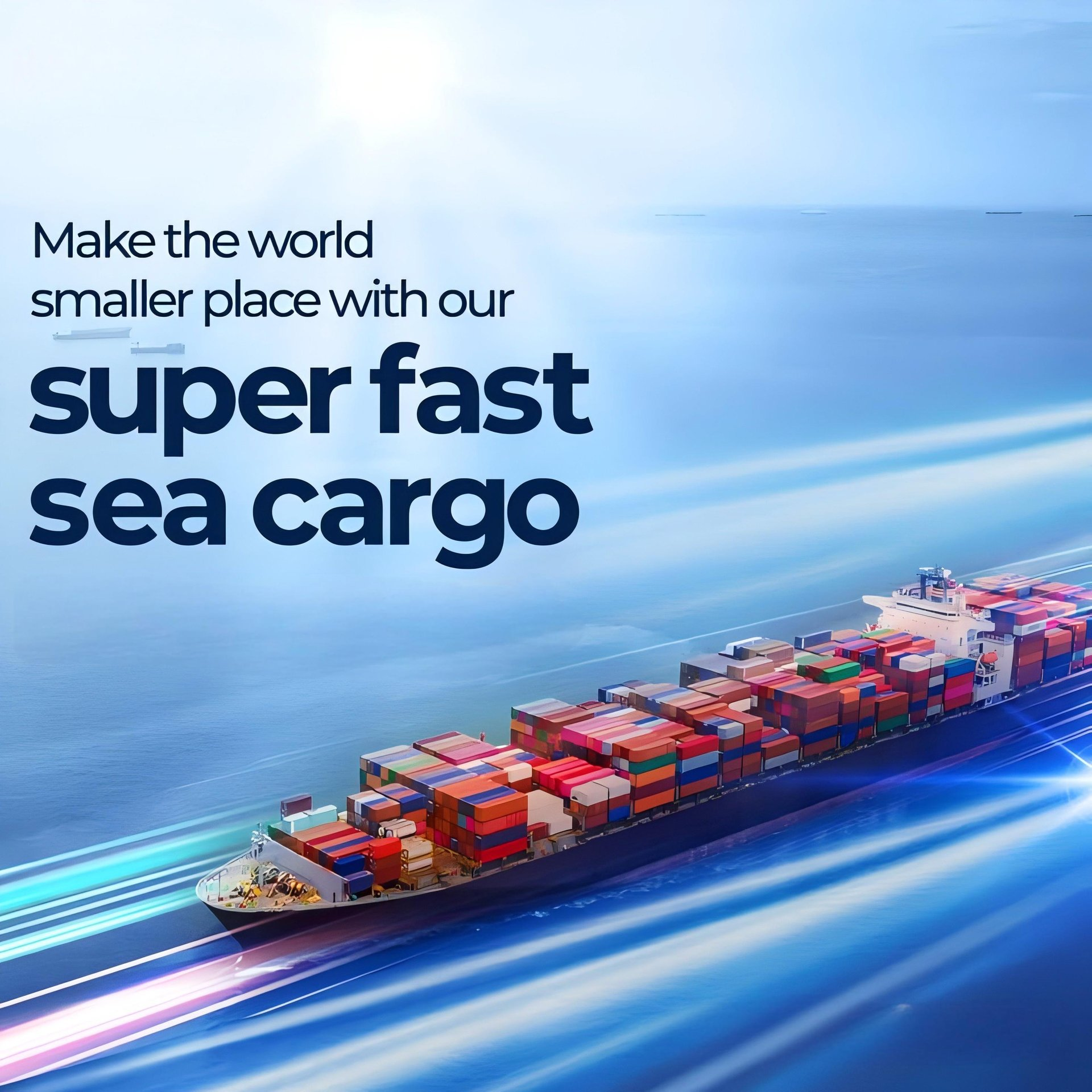
China Cargo Export Import Freight Forwarding Service: 2026 Strategic Guide
Navigating the complexities of a china cargo export import freight forwarding service requires a sophisticated understanding of global trade lanes and regulatory shifts. As we move through 2026, businesses must adapt to evolving logistics trends to ensure their supply chains remain resilient and cost-effective. Consequently, choosing a partner that offers comprehensive visibility and expert cargo handling is no longer optional but a fundamental requirement for international success.

What Defines a Reliable China Cargo Export Import Freight Forwarding Service?
A professional freight forwarding service acts as the essential bridge between manufacturers in China and global markets. These experts manage the intricate details of cargo movement, ensuring that goods transition smoothly across international borders.
Furthermore, modern logistics providers in 2026 leverage advanced tracking technologies to provide real-time updates on shipment status. This transparency allows importers to manage inventory levels with greater precision and reduce the risk of stockouts.
Moreover, the scope of these services extends beyond simple transportation to include warehousing, consolidation, and specialized cargo handling. By integrating these elements, a forwarder can significantly streamline the entire export-import process.
Consequently, businesses that utilize a full-service logistics partner often see a reduction in overall transit times and fewer administrative hurdles. This efficiency is particularly critical when dealing with high-volume shipments or time-sensitive products.
How to Evaluate Freight Forwarding Rates in 2026?
Understanding freight rates requires a deep dive into various cost components, including fuel surcharges, port fees, and seasonal fluctuations. In early 2026, market data suggests that rates have stabilized following the disruptions seen in previous years.
Additionally, it is important to distinguish between different pricing models such as FCL and LCL. For instance, full container loads offer better security and lower per-unit costs for large volumes, while less-than-container loads provide flexibility for smaller businesses.
Meanwhile, shippers should remain aware of peak season surcharges which typically occur between August and October. During this period, demand for container space increases, often leading to a 15-25 percent rise in standard shipping costs.
Therefore, planning shipments well in advance is the most effective way to secure competitive pricing. Working closely with a forwarder allows you to lock in rates and avoid the volatility of the spot market.
| Route | 20GP Container | 40HQ Container | Avg. Transit Time |
|---|---|---|---|
| China to USA West Coast | $1,600 – $2,300 | $2,900 – $3,900 | 14-18 Days |
| China to Europe | $1,900 – $2,600 | $3,100 – $4,300 | 28-35 Days |
| China to Australia | $900 – $1,300 | $1,500 – $2,100 | 12-18 Days |
| China to UK | $2,100 – $2,900 | $3,600 – $4,600 | 30-38 Days |
How Does Sea Freight Compare to Other Shipping Options?
Choosing the right transport mode is a balance between budget constraints and delivery requirements. While sea freight is the backbone of global trade due to its capacity, it may not always be the best fit for every scenario.
In contrast, air freight offers unparalleled speed, making it the preferred choice for high-value or perishable items. However, the cost of air transport can be five to ten times higher than ocean shipping for the same volume.
Moreover, rail freight has emerged as a viable middle ground for shipments between China and Europe. This method offers faster transit than the sea and lower costs than the air, providing a unique strategic advantage.
Nevertheless, the decision should always be based on the specific needs of the cargo and the urgency of the delivery schedule. Analyzing the trade-offs between cost and speed is essential for maintaining a healthy bottom line.
| Method | Cost Range | Transit Time | Best For |
|---|---|---|---|
| Sea Freight | Low | 30-45 Days | Bulk Goods / FCL |
| Air Freight | High | 3-7 Days | Urgent / High Value |
| Rail Freight | Medium | 15-22 Days | Mid-value / Europe |
| Express | Very High | 2-5 Days | Small Parcels / Samples |

Case Studies: Real-World Logistics Success in 2026
Case Study 1: Electronics Export to Rotterdam. Route: Shanghai to Rotterdam. Cargo: Consumer Electronics, 68 CBM. Container: 40HQ. Carrier: Major Carrier. Sea Transit: 32 days. Total Landed Cost: $4,850. Key Insight: Early booking saved 15 percent on peak season surcharges. Based on Q1 2026 market rates.
Case Study 2: Urgent Apparel Shipment to New York. Route: Shenzhen to New York. Cargo: Seasonal Apparel, 1200kg. Method: Air Freight. Transit Time: 6 days. Total Landed Cost: $7,200. Key Insight: Direct routing avoided transshipment delays in Hong Kong. Typical rates as of early 2026.
Case Study 3: Machinery Parts to Sydney. Route: Ningbo to Sydney. Cargo: Industrial Spare Parts, 12 CBM. Container: LCL. Sea Transit: 16 days. Total Landed Cost: $1,450. Key Insight: Consolidation at the port of loading reduced destination charges significantly.
Which Option Should You Choose for Your Business?
If your primary goal is budget optimization, sea freight is undoubtedly the most suitable choice for large-scale imports. This method allows for the transport of massive volumes at a fraction of the cost of other alternatives.
On the other hand, if speed is your priority, you should recommend air freight or express services. These options ensure that your products hit the shelves faster, which is vital for maintaining a competitive edge in fast-moving industries.
For shipments destined for Europe, rail freight offers a balanced solution that avoids the long lead times of the sea. This approach is particularly effective for automotive parts and specialized machinery.
Additionally, many businesses now opt for door to door services to simplify their logistics chain. This comprehensive solution covers everything from the factory floor to the final warehouse destination, reducing the burden on internal teams.

The Critical Role of Customs Brokerage and Documentation
Navigating the legal requirements of international trade is perhaps the most challenging aspect of the supply chain. Utilizing a professional customs brokerage service ensures that all paperwork is filed correctly and on time.
Indeed, even a small error in a Bill of Lading or Commercial Invoice can lead to significant delays and costly port storage fees. Therefore, accuracy in documentation is non-negotiable for any serious importer or exporter.
Furthermore, staying updated on changing tariff codes and trade agreements is essential for minimizing duty payments. A knowledgeable forwarder will provide guidance on how to classify goods correctly to take advantage of available tax exemptions.
Consequently, investing in expert customs support can save thousands of dollars in potential fines and lost time. This proactive approach is a hallmark of a high-quality china cargo export import freight forwarding service.
| Document | Purpose | Required For | Provider |
|---|---|---|---|
| Commercial Invoice | Value Declaration | All Shipments | Exporter |
| Packing List | Inventory Detail | All Shipments | Exporter |
| Bill of Lading | Contract of Carriage | All Shipments | Carrier |
| Certificate of Origin | Tariff Verification | Specific Goods | Chamber of Commerce |
Cost-Saving Strategies for International Shipping
Reducing logistics expenses requires a combination of strategic planning and operational efficiency. One effective method is cargo consolidation, where multiple small shipments are combined into a single container to reduce per-unit costs.
Additionally, optimizing your packaging can lead to significant savings, especially for air freight where weight and volume directly impact the price. Using lightweight but durable materials can decrease the chargeable weight of your shipment.
Meanwhile, negotiating long-term contracts with freight forwarders can provide stability in a fluctuating market. These agreements often include fixed rates that protect your business from sudden price spikes during the busy season.
Finally, always request multiple quotes to ensure you are receiving the most competitive offer available. Comparing different providers allows you to identify the best value for your specific shipping requirements.
Mastering Your Global Logistics Strategy
In summary, managing a china cargo export import freight forwarding service in 2026 requires a proactive approach and a deep understanding of market trends. By selecting the right transport mode and ensuring meticulous documentation, businesses can navigate the complexities of international trade with confidence.
Indeed, the right logistics partner will not only move your cargo but also provide the strategic insights needed to optimize your entire supply chain. As global markets continue to evolve, staying informed and adaptable remains the key to long-term success in the export-import industry.

Start Your Shipment
Streamline your global supply chain today with a partner you can trust. Our team provides expert guidance and competitive rates for every china cargo export import freight forwarding service. Visit our inquiry page to request a custom quote tailored to your business needs. Visit: https://alibabafreight.com/contact-us/
Request Quote