
Cargo Shipping China FCL LCL Air Sea: Comprehensive 2026 Logistics Guide
Navigating the complexities of international trade requires a deep understanding of cargo shipping china fcl lcl air sea options to optimize your global supply chain. Whether you are a small business owner or a large enterprise, selecting the most efficient logistics pathway is crucial for maintaining a competitive edge in 2026. Consequently, partnering with a reliable expert like Alibaba Freight ensures that your goods are handled with professional care from origin to destination.
✦
Understanding Cargo Shipping China FCL LCL Air Sea in 2026
Global logistics has evolved significantly as of Q1 2026, with stabilized freight rates following the disruptions seen in previous years. Specifically, businesses now have more diverse choices when managing their cargo shipping china fcl lcl air sea requirements across various international routes. Moreover, the integration of digital tracking and smart port technology has made it easier to monitor shipments in real-time. Therefore, understanding the fundamental differences between these transport modes is the first step toward reducing landed costs.
Selecting between sea, air, and rail involves balancing speed, budget, and cargo volume. For instance, while maritime transport remains the backbone of global trade, air freight offers unparalleled speed for high-value items. Additionally, the choice between FCL and LCL depends largely on your specific inventory needs and seasonal demand fluctuations. Consequently, a well-planned strategy allows importers to navigate market volatility and ensure consistent delivery schedules throughout the year.
FCL vs LCL Sea Freight: Choosing the Right Container Strategy
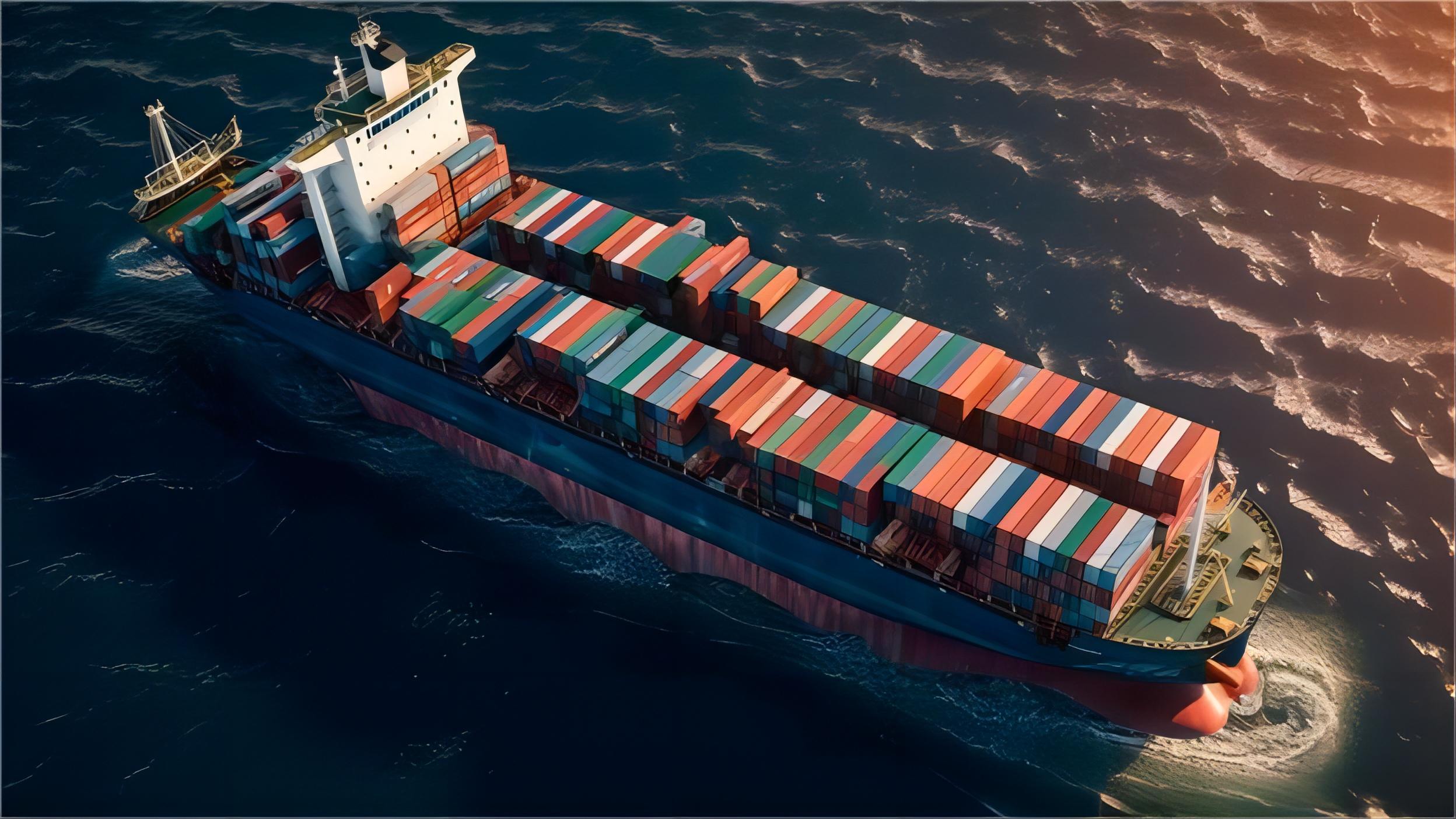
Sea freight remains the most cost-effective method for moving large volumes of goods from China to international markets. When you utilize sea freight, you must decide between Full Container Load (FCL) and Less than Container Load (LCL). Furthermore, FCL is generally preferred for shipments exceeding 15 cubic meters because it offers better security and faster handling. In contrast, LCL allows smaller businesses to share container space, which significantly reduces costs for low-volume shipments.
Indeed, FCL provides a dedicated space for your goods, reducing the risk of damage during the consolidation process. Meanwhile, LCL requires careful planning as goods from multiple shippers are packed together, which may slightly increase transit times due to the loading and unloading phases. As a result, many companies choose LCL for initial product launches or smaller replenishment orders. Nevertheless, as your volume grows, transitioning to FCL often yields better economies of scale and simplified logistics management.
| Feature | Full Container Load (FCL) | Less than Container Load (LCL) | Ideal Usage |
|---|---|---|---|
| Volume | Over 15 CBM | 1 to 15 CBM | FCL for bulk |
| Security | High (Sealed) | Moderate (Shared) | FCL for fragile |
| Transit Time | Faster (Direct) | Slower (Consolidated) | FCL for speed |
| Cost Basis | Flat rate per unit | Price per CBM | LCL for savings |
Why Air Freight is Essential for Time-Sensitive China Cargo
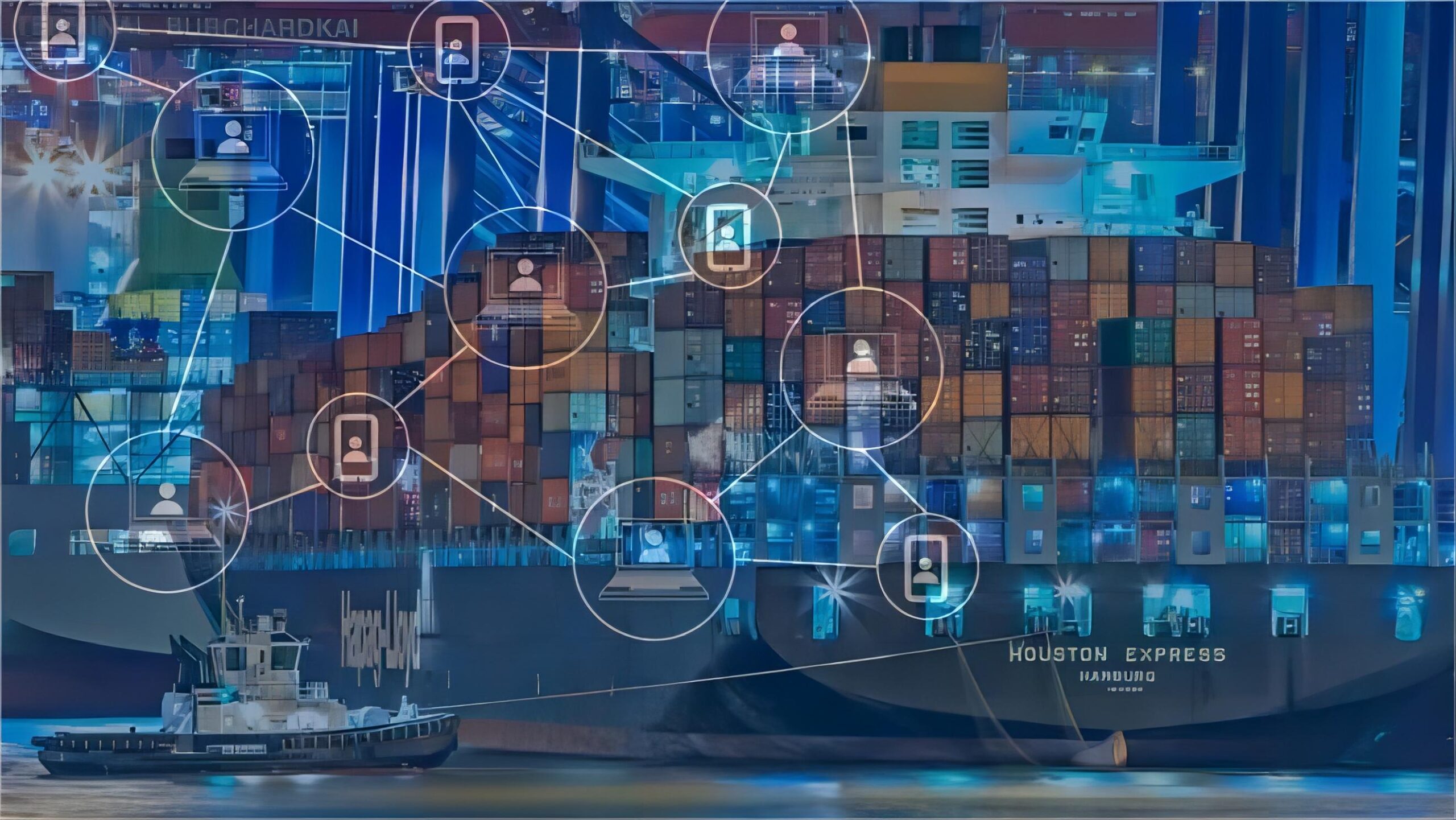
Speed is often the primary driver for businesses opting for air freight when importing from China. Although the costs are higher than maritime options, the ability to restock inventory within days rather than weeks is invaluable for high-demand products. Additionally, air transport reduces the need for large safety stocks, which can lower overall warehouse storage fees. Consequently, industries like electronics and fashion frequently rely on air cargo to meet tight market deadlines.
Market data suggests that air freight rates in 2026 have become more competitive as carrier capacity has expanded globally. Furthermore, the environmental impact of air travel is increasingly being offset by more efficient aircraft and sustainable aviation fuels. For example, a shipment from Shanghai to New York can arrive in as little as 3 to 5 days, compared to 35 days by sea. Therefore, while budget is a concern, the opportunity cost of lost sales often makes air freight the most logical choice for premium goods.
How Does Cargo Shipping China FCL LCL Air Sea Compare to Other Options?
Evaluating all available transport modes is essential for developing a resilient supply chain strategy that can withstand global shifts. While sea and air are the most common, options like rail freight offer a unique middle ground for shipments to Europe and Central Asia. Specifically, rail provides faster transit than sea at a significantly lower cost than air. However, it is important to note that rail is not a viable option for routes to Australia or North America due to geographical constraints.
Hybrid solutions, such as sea-air combinations, are also gaining popularity among savvy logistics managers. By shipping goods via sea to a hub like Dubai and then flying them to the final destination, companies can save 30-50 percent compared to pure air freight. Moreover, this approach offers a balance between cost and speed that is ideal for mid-range value goods. Consequently, analyzing the trade-offs between each method ensures that you are not overpaying for speed or sacrificing too much time for cost savings.
| Shipping Method | Cost Range | Transit Time | Best For | Limitations |
|---|---|---|---|---|
| Sea FCL | $2,500 – $5,500 | 20-40 Days | Bulk Goods | Slow Speed |
| Sea LCL | $80 – $150/CBM | 25-45 Days | Small Batches | Handling Risk |
| Air Freight | $4.50 – $9.00/kg | 3-7 Days | High Value | High Cost |
| Rail Freight | $1,200 – $2,800 | 15-22 Days | Mid-range | Land Routes Only |
Which Shipping Option Should You Choose? A Decision Framework
Determining the best logistics path requires a clear set of criteria based on your business priorities and cargo characteristics. If your primary goal is budget optimization, sea freight is almost always the superior choice for large shipments. Conversely, if you are facing an inventory stock-out, the speed of air freight justifies the higher expense. Additionally, you should consider the nature of your cargo, as hazardous or oversized items may have restricted options.
Volume thresholds often dictate the switch from LCL to FCL to maximize cost efficiency. For instance, once a shipment reaches 13 to 15 cubic meters, the flat rate of a 20GP container often becomes cheaper than paying per cubic meter for LCL. Furthermore, seasonal factors like the Chinese New Year or the Q4 peak season can cause rates to spike by 20 percent or more. Therefore, booking at least 3-4 weeks in advance during these periods is a critical strategy for maintaining your margins.
Navigating Customs Brokerage and Documentation Requirements
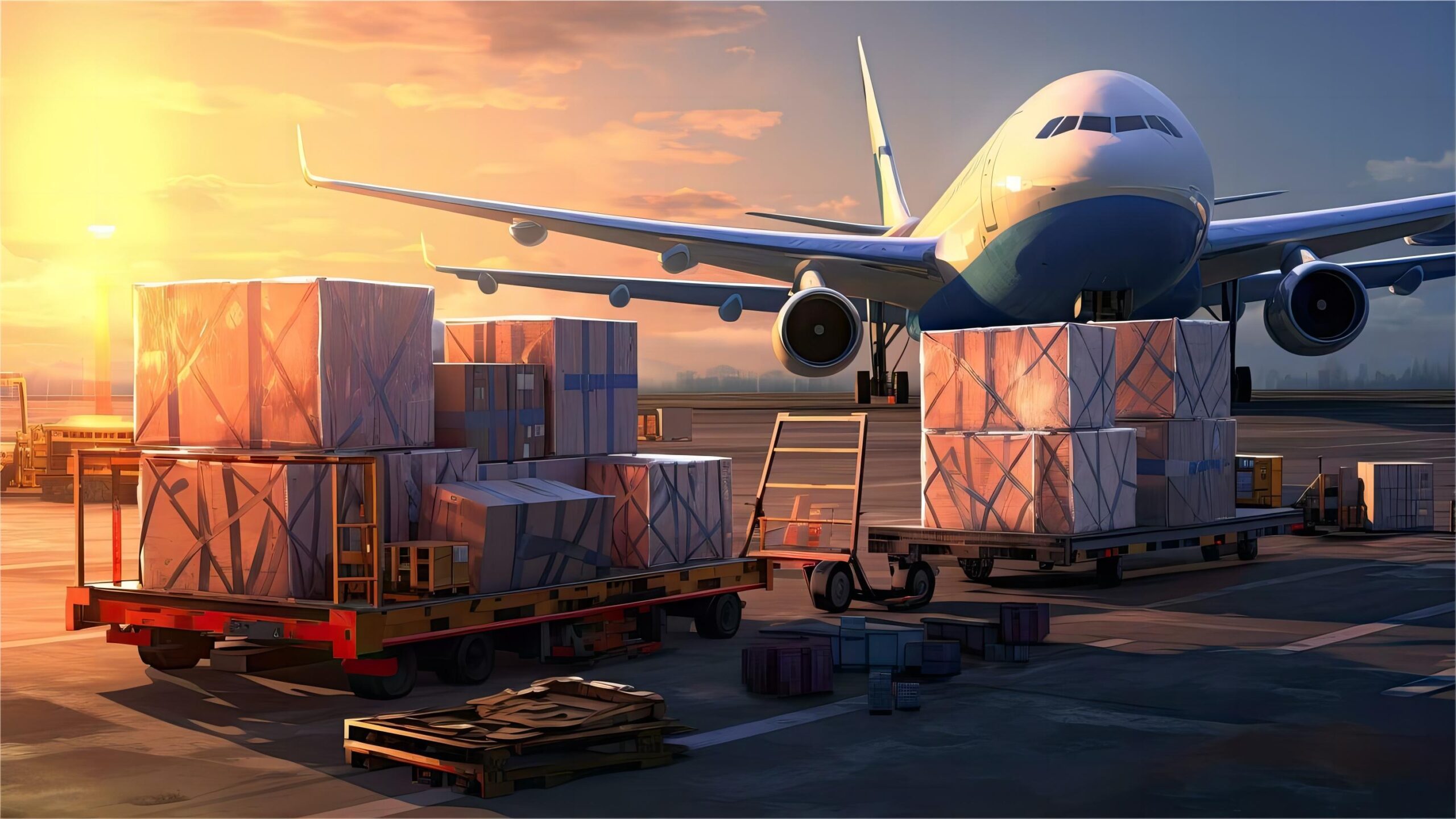
Efficiently managing customs brokerage is vital to avoid costly delays at the port of entry. Every international shipment requires a set of standard documents, including the Commercial Invoice, Packing List, and Bill of Lading. Moreover, specific products may require certificates of origin or specialized permits depending on the destination country’s regulations. Consequently, working with an experienced broker ensures that all paperwork is filed accurately and on time.
Errors in documentation can lead to storage fees, known as demurrage, which can quickly erode your profit margins. In addition, customs authorities in 2026 have increased their focus on compliance and product safety standards. For example, ensuring that your HS codes are correctly classified is essential for determining the accurate duty and tax rates. Thus, investing in professional brokerage services is a proactive way to streamline your import process and avoid legal complications.
Real-World Case Studies: Cargo Shipping China FCL LCL Air Sea Success Stories
Case Study 1: Electronics Distribution to North America
Route: Shenzhen, China to Los Angeles, USA
Cargo: Consumer Electronics, 22 CBM, 4,500 kg
Container: 40GP Full Container Load
Shipping Details: Direct route via major carrier COSCO from Port of Yantian to Port of Los Angeles.
Cost Breakdown: Ocean Freight $3,200; Origin Charges $450; Destination Charges $600; Total Landed Cost $4,250.
Timeline: Booking to Loading 4 days; Sea Transit 16 days; Customs Clearance 2 days; Total Door-to-Door 22 days.
Key Insight: By choosing FCL instead of LCL for this 22 CBM shipment, the client saved approximately 15 percent in total costs and reduced transit time by 5 days.
Case Study 2: Fashion Retail Replenishment to Europe
Route: Ningbo, China to Hamburg, Germany
Cargo: Apparel and Textiles, 4 CBM, 800 kg
Container: LCL (Less than Container Load)
Shipping Details: Transshipment via Singapore using Maersk service from Ningbo Port to Hamburg Port.
Cost Breakdown: Ocean Freight $480; Origin Charges $200; Destination Charges $350; Total Landed Cost $1,030.
Timeline: Booking to Loading 5 days; Sea Transit 33 days; Customs Clearance 3 days; Total Door-to-Door 41 days.
Key Insight: LCL provided the necessary flexibility for this small retailer to maintain inventory levels without the high cost of air freight or the unnecessary volume of FCL.
Cost-Saving Strategies for Your 2026 Logistics Planning
Implementing smart strategies can significantly reduce your total logistics spend when handling cargo shipping china fcl lcl air sea. One effective method is to consolidate orders from multiple suppliers into a single FCL shipment, which reduces the per-unit cost of transport. Additionally, optimizing your packaging to minimize wasted space within a container can lead to substantial savings over time. Furthermore, comparing quotes from different freight forwarders allows you to leverage market competition for better rates.
Choosing door to door services can also simplify your accounting by providing a single, all-inclusive price. This approach eliminates hidden fees and allows for better budget forecasting throughout the fiscal year. Moreover, staying informed about maritime trends and fuel surcharges helps you anticipate price changes before they impact your bottom line. Ultimately, a proactive and data-driven approach is the best way to manage costs in the dynamic 2026 shipping environment.
Note: Freight rates are subject to change based on fuel costs, carrier capacity, and seasonal demand. Contact us for a current quote tailored to your specific shipment.
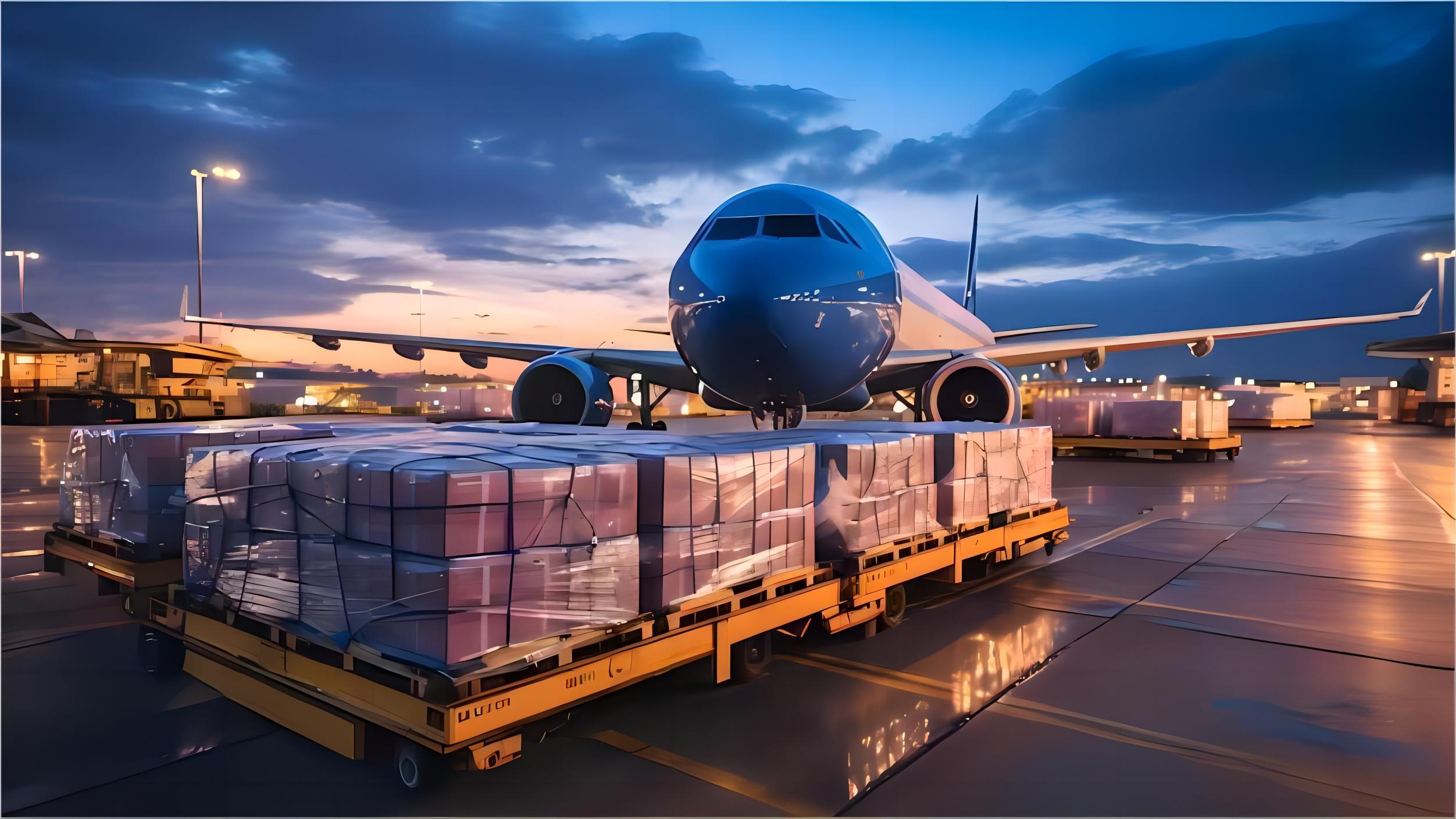
Mastering Your Cargo Shipping Strategy
To summarize, successfully managing cargo shipping china fcl lcl air sea requires a strategic balance of speed, cost, and reliability. By understanding the nuances of FCL, LCL, air, and sea transport, you can build a more resilient and efficient supply chain. As market conditions continue to evolve in 2026, staying informed and flexible remains the key to international trade success.
Whether you are shipping high-value electronics or bulk industrial goods, the right logistics partner makes all the difference. We encourage you to apply the decision frameworks and cost-saving tips outlined in this guide to optimize your future shipments. Start planning your next move with confidence and watch your business grow in the global marketplace.