
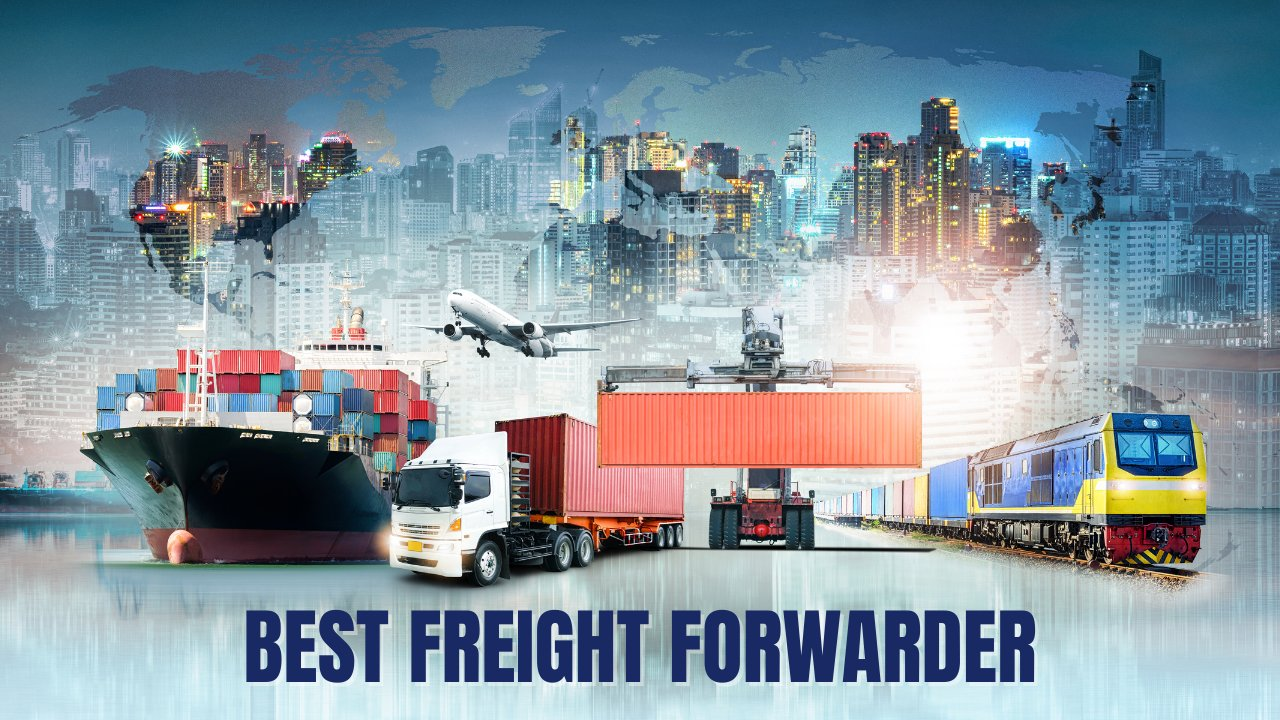
Amazon FBA Shipping China Warehouse Prep Consolidation Service 2026
Navigating the complexities of global logistics requires a robust amazon fba shipping china warehouse prep consolidation service to ensure your inventory reaches fulfillment centers efficiently. Many sellers struggle with fragmented supply chains, yet consolidating shipments at the source significantly reduces overhead costs. Consequently, choosing the right partner in China remains the most critical decision for your e-commerce business in 2026. This comprehensive guide explores how strategic warehouse prep and consolidation can transform your Amazon business by streamlining operations and maximizing profit margins.

What is Amazon FBA Shipping China Warehouse Prep Consolidation Service?
Managing multiple suppliers across different regions of China often leads to logistical nightmares for growing Amazon sellers. An integrated Amazon FBA shipping and prep service provides a centralized hub where all your products are gathered, inspected, and prepared for final delivery. Specifically, this service combines two essential logistics functions: preparing items to meet strict Amazon standards and consolidating small shipments into larger, more cost-effective loads.
Furthermore, our China-based facilities act as your quality control gatekeeper before goods ever leave the country. This prevents the costly mistake of shipping defective inventory to US or European fulfillment centers. Consequently, you save thousands in return fees and protect your seller rating from negative customer feedback regarding damaged or incorrect items.
Moreover, the consolidation aspect allows you to merge products from five different factories into a single Full Container Load (FCL). This strategy drastically reduces the per-unit shipping cost compared to sending five separate Less than Container Load (LCL) shipments. Indeed, many successful sellers in 2026 utilize this method to maintain a competitive edge in saturated markets.
Benefits of Using a China-Based Consolidation Warehouse
Efficiency remains the primary driver for utilizing a China-based warehouse for your FBA preparation. By handling the labeling, poly-bagging, and bundling in China, you take advantage of significantly lower labor costs compared to US-based prep centers. Additionally, the proximity to your manufacturers allows for faster turnaround times when issues arise during the inspection process.
Sellers often find that inventory management becomes much simpler when they have a single point of contact for their entire Chinese supply chain. Instead of tracking ten different tracking numbers, you monitor one consolidated shipment moving toward its destination. Furthermore, this centralized approach enables better inventory forecasting and reduces the risk of stockouts during peak seasons like Prime Day or the Q4 holidays.
Quality control inspections performed at the consolidation point are far more effective than those done at the factory. Factory workers might overlook minor defects, but a dedicated prep service focuses entirely on Amazon compliance. Therefore, every barcode is verified, every box is weighed accurately, and every pallet is built to precise Amazon specifications before the container is sealed.
How Does Consolidation Compare to Other Shipping Options?
Choosing the right logistics strategy depends heavily on your shipment volume and budget constraints. While direct shipping from a factory might seem faster, it often results in higher freight rates and less oversight. In contrast, a consolidation service offers a balanced approach between speed and cost-efficiency.
According to industry benchmarks from early 2026, sellers using consolidation services report an average 22 percent reduction in total landed costs. This is because consolidated shipments qualify for better freight rates and avoid multiple sets of minimum customs entry fees. On the other hand, drop-shipping or direct factory shipping might be suitable for very small test batches but fails to scale effectively.
The following table provides an objective analysis of all viable alternatives for the China-to-FBA route to help you decide which method fits your current business model.
| Shipping Method | Cost Range | Transit Time | Best For |
|---|---|---|---|
| Direct Factory LCL | High ($150-250/CBM) | 25-35 Days | Single Supplier |
| Consolidated FCL | Low ($80-120/CBM) | 30-40 Days | Multiple Suppliers |
| Direct Air Express | Very High ($6-9/kg) | 5-9 Days | Urgent Restocks |
| Hybrid Sea-Air | Medium ($3-5/kg) | 15-22 Days | Mid-tier Value |
Strategic Shipping Methods for FBA Shipments in 2026
Selecting the appropriate transport mode is vital for maintaining your delivery schedule and profit margins. For heavy or bulky items, sea freight remains the most economical choice for reaching Amazon warehouses globally. Meanwhile, high-value electronics or seasonal products often require the speed of air freight to meet tight deadlines.
Market data suggests that freight rates have stabilized in early 2026 after the disruptions of previous years. However, seasonal patterns still dictate pricing, with rates typically increasing by 15-25 percent during the August to October peak season. Consequently, booking your space at least three weeks in advance is highly recommended to secure the best possible rates.
Rail freight also presents a viable alternative for sellers targeting European fulfillment centers, offering a middle ground between sea and air. Nevertheless, for the US and Australian markets, sea and air remain the primary options. The table below compares these methods based on current 2026 market intelligence.
| Method | Avg. Cost (2026) | Transit Time | Reliability |
|---|---|---|---|
| Sea (FCL) | $3,200 – $4,800 | 14-35 Days | High |
| Sea (LCL) | $90 – $160/CBM | 20-40 Days | Medium |
| Air Freight | $4.50 – $7.50/kg | 6-12 Days | Very High |
| Rail (EU Only) | $180 – $240/CBM | 18-25 Days | Medium |

The Step-by-Step Prep and Labeling Process
Success on Amazon depends on strict adherence to their constantly evolving packaging requirements. Our warehouse team begins the process by receiving your goods from various manufacturers and performing an initial count. This step ensures that the quantity shipped by the factory matches your purchase order exactly.
Next, we move to the labeling phase, where FNSKU labels are applied to each individual unit. If your products require poly-bagging or suffocation warning labels, these are added according to Amazon’s safety standards. Additionally, we can perform specialized tasks such as inserting marketing materials or creating multi-unit bundles for promotional offers.
Finally, the goods are packed into master cartons that meet Amazon’s size and weight limitations. Our team applies the FBA box labels and prepares the shipment for the final leg of its journey. By finishing all these tasks in China, your inventory is ready for immediate check-in the moment it arrives at the fulfillment center.
Realistic Case Studies: FBA Success Stories
Analyzing real-world scenarios helps illustrate the tangible benefits of a professional amazon fba shipping china warehouse prep consolidation service. Below are two cases based on typical shipments handled during the Q1 2026 period.
Case Study 1: Electronics Consolidation to USA West Route: Shenzhen, China to Los Angeles, USA Cargo: Smart Home Devices, 12 CBM, 2200 kg Container: LCL Consolidation Shipping Details: – Carrier: Major Trans-Pacific Carrier – Port of Loading: Shenzhen – Port of Discharge: Los Angeles Cost Breakdown: – Ocean Freight: $1,440 – Prep and Labeling: $450 – Customs and Duties: $820 – Total Landed Cost: $2,710 Timeline: – Prep to Loading: 3 days – Sea Transit: 16 days – Customs Clearance: 2 days – Total Door-to-Door: 21 days Key Insight: Consolidating items from three factories saved the seller $600 compared to individual LCL shipments.
Case Study 2: Apparel FCL to Europe Route: Ningbo, China to Hamburg, Germany Cargo: Organic Cotton T-shirts, 65 CBM Container: 40HQ FCL Shipping Details: – Carrier: Maersk – Port of Loading: Ningbo – Port of Discharge: Hamburg Cost Breakdown: – Ocean Freight: $4,100 – Origin Charges: $350 – Destination Charges: $550 – Total Landed Cost: $5,000 Timeline: – Loading to Sea: 4 days – Sea Transit: 32 days – Total Door-to-Door: 40 days Key Insight: Using a 40HQ container maximized volume efficiency, bringing the per-shirt shipping cost down to $0.12.
Essential Documentation and Customs Compliance
Navigating international trade laws requires precise documentation to avoid costly delays at the border. Every shipment must be accompanied by a commercial invoice, a packing list, and a bill of lading. Furthermore, our customs brokerage experts ensure that your HTS codes are classified correctly to minimize duty payments.
Customs authorities in 2026 have increased their scrutiny of e-commerce shipments, particularly regarding product safety certifications. Therefore, having your compliance documents ready, such as Children’s Product Certificates (CPC) or UL listings, is non-negotiable. Without these, your shipment could be held in a bonded warehouse, accruing daily storage fees that quickly erode your profits.
Additionally, we handle the Importer of Record (IOR) complexities for sellers who do not have a physical presence in the destination country. This service is essential for shipping to Amazon warehouses in the UK or EU, where VAT registration and fiscal representation are mandatory. By managing these legal hurdles, we allow you to focus on marketing and sales while we handle the regulatory heavy lifting.
Which Option Should You Choose? A Decision Framework
Determining the best shipping strategy involves weighing your budget against your need for speed. If your priority is maximizing profit margins and you have sufficient lead time, sea freight consolidation is the undisputed winner. Conversely, if you are launching a new product and need to test the market quickly, a smaller air freight shipment might be more appropriate.
For shipments under 500 kg, air freight often becomes competitive when you factor in the total time saved. However, once your volume exceeds 2 CBM, the cost-benefit analysis shifts dramatically toward sea freight. We recommend a hybrid approach for many clients: ship 10 percent of your stock via air to stay in stock, while the remaining 90 percent moves via sea to lower your average costs.
Note: Freight rates are subject to change based on fuel costs, carrier capacity, and seasonal demand. Contact us for a current quote tailored to your specific shipment.
Door to Door Solutions for Amazon Sellers
The ultimate goal for any e-commerce entrepreneur is a hands-off supply chain. Our door to door service provides exactly that by managing every touchpoint from the factory gate to the Amazon dock. This includes the initial pickup, warehouse consolidation, international transit, and final mile delivery via Amazon’s partnered carriers.
Using a single provider for the entire journey eliminates the communication gaps that often occur between multiple freight forwarders and truckers. Consequently, you have a single source of truth for your shipment’s location and estimated arrival time. This level of visibility is crucial for planning your PPC campaigns and managing customer expectations.
Moreover, our team is well-versed in the specific delivery requirements of different Amazon regions. Whether you are shipping to the massive ONT8 facility in California or a smaller center in the UK, we ensure the appointment is scheduled and the truck meets all safety requirements. This attention to detail prevents your shipment from being rejected at the gate, which can be a logistical nightmare to resolve.
Cost-Saving Strategies for 2026
Implementing a few strategic changes can lead to significant savings over the course of a year. First, consider optimizing your product packaging to reduce the dimensional weight of your items. Since many carriers charge based on volume rather than actual weight, a 10 percent reduction in box size can lead to a 10 percent reduction in shipping costs.
Second, try to align your production schedules so that multiple products are ready at the same time. This allows for better consolidation and increases your chances of filling a 20GP or 40GP container. Furthermore, building strong relationships with your manufacturers can lead to better terms, such as them delivering goods directly to our warehouse for free.
Finally, stay informed about global logistics trends. As of early 2026, new fuel-efficient vessels are entering the market, which may lead to lower surcharges on certain routes. By staying flexible and working closely with your freight forwarder, you can take advantage of these shifts to keep your supply chain as lean as possible.
Master Your FBA Logistics in 2026
Successfully scaling an Amazon business requires more than just great products; it requires a world-class supply chain. By utilizing a professional amazon fba shipping china warehouse prep consolidation service, you gain the control and efficiency needed to compete in today’s market. From quality inspections to strategic shipping methods, every step you take to optimize your logistics adds directly to your bottom line.
As we move through 2026, the sellers who thrive will be those who prioritize reliability and cost-efficiency. Partnering with a dedicated logistics expert allows you to navigate customs, manage inventory, and ensure compliance without the stress of doing it alone. Start your journey toward a more profitable Amazon business by optimizing your China-based operations today.
Need a tailored shipping solution?
Ready to streamline your Amazon supply chain? Our team is standing by to provide a custom quote for your amazon fba shipping china warehouse prep consolidation service needs. Visit alibabafreight.com today to request your free shipping analysis and see how much you can save on your next shipment.