
FCL Shipping China for Ecommerce Saudi Arabia Guide 2025
Expanding your digital storefront into the Middle East requires a robust logistics foundation to ensure customer satisfaction. Many sellers find that fcl shipping china for ecommerce saudi arabia offers the most reliable way to manage high-volume inventory while keeping unit costs low. By visiting alibabafreight.com, you can discover how professional freight management simplifies the complex journey from Chinese factories to Saudi warehouses. This guide explores every facet of Full Container Load shipping to help you scale your ecommerce business effectively in the Kingdom.
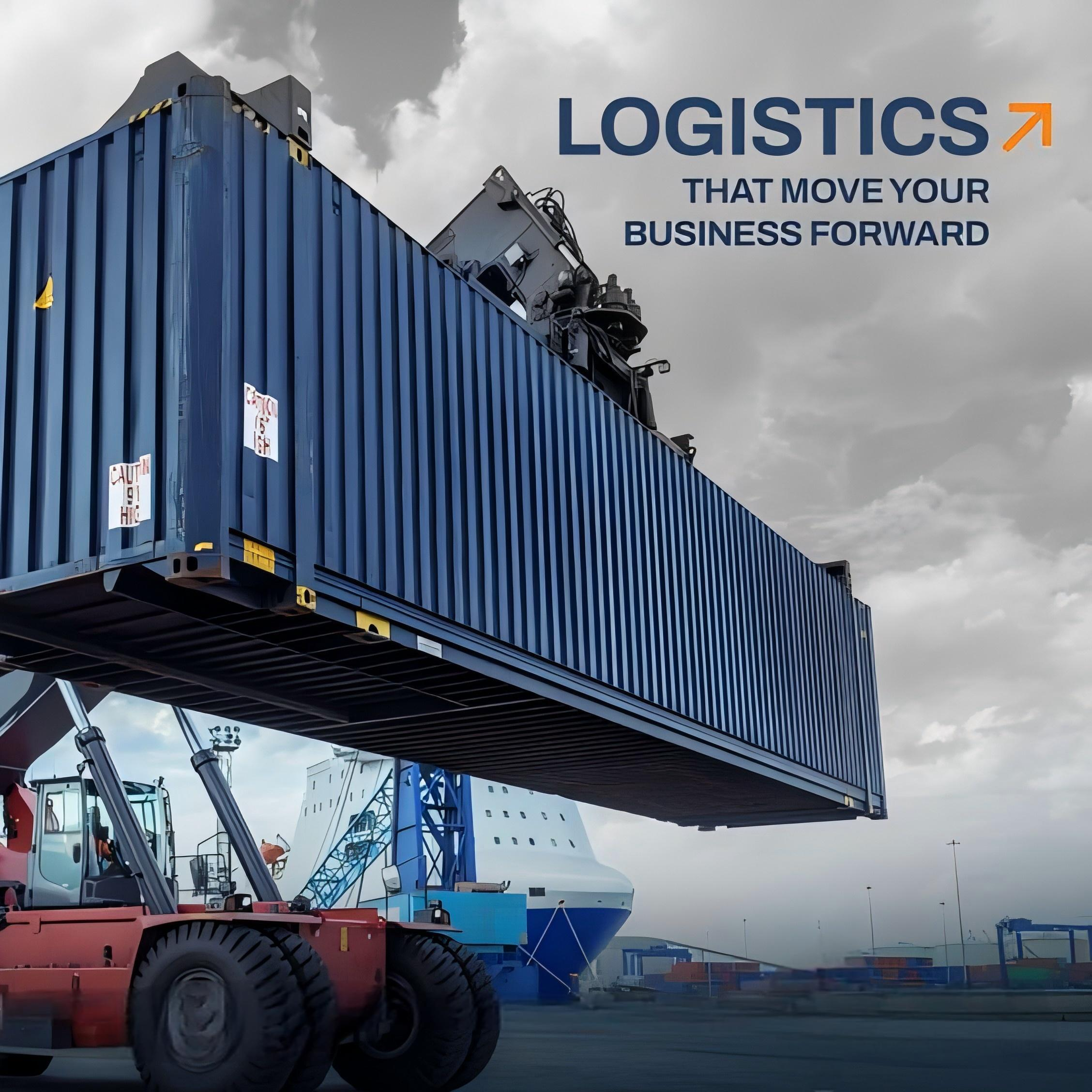
Understanding FCL Shipping China for Ecommerce Saudi Arabia
Full Container Load (FCL) refers to a shipping mode where one importer occupies an entire ocean container. This method is particularly beneficial for ecommerce businesses that move significant volumes of electronics, fashion, or home goods. Consequently, you avoid the risks of damage often associated with sharing space in Less than Container Load (LCL) shipments.
Furthermore, FCL provides a faster transit process because the container does not need to be consolidated or deconsolidated at various hubs. Businesses can choose between 20-foot and 40-foot containers based on their specific inventory needs. Therefore, selecting the right size becomes a critical part of your landed cost calculation.
Saudi Arabia is currently undergoing a massive digital transformation under Vision 2030, which has led to a surge in online shopping. As a result, having a dedicated container ensures your stock levels remain consistent even during peak seasons like Ramadan or Black Friday. Indeed, this reliability is what separates successful cross-border sellers from those struggling with stockouts.
How Does FCL Shipping Compare to Other Shipping Options?
Choosing the right transport method depends heavily on your budget, urgency, and the nature of your products. While sea freight remains the backbone of global trade, ecommerce sellers often weigh it against air or hybrid solutions. Moreover, the cost gap between these methods can be substantial, impacting your overall profit margins.
Air freight offers unparalleled speed, typically delivering goods in less than a week. However, the costs are often five to ten times higher than ocean transport, making it unsuitable for low-margin or heavy items. In contrast, sea-air hybrid solutions provide a middle ground by combining the cost-savings of the ocean with the speed of air for the final leg.
Direct FCL routes from China to Saudi ports like Jeddah or Dammam are usually the most cost-effective for large scale operations. Nevertheless, transshipment options via Singapore or Jebel Ali might offer lower rates at the expense of a few extra days in transit. Evaluating these trade-offs is essential for maintaining a competitive edge in the Saudi market.
| Shipping Method | Cost Range | Transit Time | Best For | Limitations |
|---|---|---|---|---|
| FCL Sea Freight | $1,800 – $3,200 | 20-30 Days | Bulk Inventory | Slower speed |
| LCL Sea Freight | $80 – $150/CBM | 25-35 Days | Small Batches | Handling risk |
| Air Freight | $4.50 – $8.00/kg | 3-7 Days | High Value | Expensive |
| Sea-Air Hybrid | Moderate | 12-18 Days | Urgent Stock | Complex docs |

Major Shipping Routes and Transit Times to Saudi Arabia
Shipping from China to Saudi Arabia involves traversing key maritime corridors that connect the East to the West. Most containers depart from major hubs like Shanghai, Ningbo, or Shenzhen, which offer frequent sailings and competitive rates. Additionally, the choice of port in China can influence the total transit time by several days due to local congestion or weather patterns.
Jeddah Islamic Port serves as the primary gateway on the Red Sea, handling the majority of imports destined for the Western Region. Meanwhile, King Abdulaziz Port in Dammam caters to the Eastern Province and is a vital link for goods heading to the capital, Riyadh. Consequently, your choice of discharge port should align with where your primary fulfillment centers are located.
Transit times generally range from 18 to 28 days depending on the specific route and carrier. For instance, a direct service from Nansha to Jeddah might take only 20 days, whereas a route with multiple stops could extend to 30 days. Without a doubt, planning your inventory cycles around these timelines is vital for ecommerce success.
| Origin Port | Destination Port | Estimated Days | Service Type |
|---|---|---|---|
| Shenzhen | Jeddah | 18-22 Days | Direct |
| Shanghai | Dammam | 24-28 Days | Transshipment |
| Ningbo | Jeddah | 20-25 Days | Direct |
| Qingdao | Dammam | 26-30 Days | Direct |
Navigating Customs Clearance in Saudi Arabia
Saudi customs regulations are known for being stringent, requiring precise documentation and adherence to local standards. Utilizing a professional customs brokerage service can prevent costly delays and fines at the border. Furthermore, the Saudi Food and Drug Authority (SFDA) and the Saudi Standards, Metrology and Quality Organization (SASO) have specific requirements for many ecommerce categories.
Importers must ensure that all products have the ‘SABER’ certificate, which is an electronic platform that facilitates the issuance of certificates of conformity. Additionally, every shipment requires a commercial invoice, a packing list, and a certificate of origin. Failure to provide these documents accurately will result in the container being held at the port, accruing demurrage charges.
Recent updates to Saudi customs laws have streamlined the process for authorized economic operators, yet the fundamentals remain the same. For example, all labels must clearly state the country of origin and be translated into Arabic where applicable. Consequently, working with an experienced logistics partner ensures that your fcl shipping china for ecommerce saudi arabia process remains compliant.
Cost Factors and Pricing Strategies for FCL Shipping
Ocean freight rates are subject to constant fluctuation based on fuel costs, carrier capacity, and seasonal demand. During Q4, which includes the lead-up to the Gregorian New Year, prices typically spike as ecommerce demand peaks globally. Moreover, global events such as the Red Sea disruptions in 2024 have shown how quickly transit costs can escalate.
Landed cost calculation must include more than just the ocean freight rate to be accurate. You must account for Terminal Handling Charges (THC), documentation fees, and inland haulage at both the origin and destination. In addition, import duties in Saudi Arabia generally range from 5% to 15%, depending on the product HS code.
Strategic planning can help mitigate these costs through early booking and volume commitments. For instance, booking your container at least 3-4 weeks in advance can often secure a lower rate compared to last-minute spot market pricing. Note: Freight rates are subject to change based on fuel costs, carrier capacity, and seasonal demand. Contact us for a current quote tailored to your specific shipment.
Real-World Case Studies for Saudi Ecommerce Shipping
Examining real-world scenarios helps ecommerce sellers visualize the logistics process and anticipate potential hurdles. These cases reflect typical shipments handled during the 2024-2025 period, providing a realistic benchmark for your own operations. Furthermore, they highlight how different product types require unique handling strategies.
Case studies also demonstrate the importance of selecting the right port and inland transport method. Whether you are shipping high-tech gadgets or bulky furniture, the logistical requirements vary significantly. Consequently, these examples serve as a practical guide for your decision-making process.
Case Study 1: Electronics from Shenzhen to Jeddah
Route: Shenzhen, China to Jeddah, Saudi Arabia. Cargo: Consumer Electronics, 65 CBM, 14,000 kg. Container: 40HQ. Shipping Details: Major carrier, Direct Route. Cost Breakdown: Ocean Freight $2,400; Origin Charges $350; Destination Charges $500; Customs & Duties $4,200; Total Landed Cost $7,450. Timeline: Booking to Loading 5 days; Sea Transit 20 days; Customs Clearance 3 days; Total Door-to-Door 28 days. Key Insight: Early SABER registration prevented a potential 10-day delay at the Jeddah port.
Case Study 2: Home Decor from Ningbo to Dammam
Route: Ningbo, China to Dammam, Saudi Arabia. Cargo: Wooden Furniture, 28 CBM, 8,000 kg. Container: 20GP. Shipping Details: Transshipment via Singapore. Cost Breakdown: Ocean Freight $1,650; Origin Charges $300; Destination Charges $450; Customs & Duties $1,200; Total Landed Cost $3,600. Timeline: Booking to Loading 7 days; Sea Transit 26 days; Customs Clearance 4 days; Total Door-to-Door 37 days. Key Insight: Using a 20GP was more cost-effective than LCL due to the fragile nature of the furniture items.
Which Container Option Should You Choose?
Selecting between a 20GP and a 40HQ container is one of the most important decisions for an ecommerce importer. A 20-foot container is ideal for heavy, dense cargo like tiles or machinery, whereas a 40-foot High Cube (HQ) is better for voluminous, lightweight goods. Consequently, the 40HQ is the standard choice for most ecommerce apparel and electronics sellers.
Budget priority often leads sellers to maximize the space within a single 40HQ rather than shipping two 20GP containers. For example, a 40HQ offers roughly 76 CBM of space, while a 20GP offers only 33 CBM, yet the 40HQ usually costs only 30-50% more. Therefore, if your volume exceeds 30 CBM, the larger container almost always provides a better return on investment.
Cargo type considerations also play a role in this decision-making framework. If you are shipping fragile items that cannot be stacked, you might need more floor space than vertical volume. Ultimately, analyzing your packing lists will reveal which container size minimizes wasted space and reduces your cost per unit.
| Container Type | Max Volume | Max Weight | Best For |
|---|---|---|---|
| 20GP | 33 CBM | 28,000 kg | Heavy/Dense goods |
| 40GP | 67 CBM | 26,000 kg | General cargo |
| 40HQ | 76 CBM | 26,000 kg | Light/Voluminous |
| 45HQ | 86 CBM | 25,000 kg | Extreme volume |
Door-to-Door Logistics for Saudi Arabian Ecommerce
Managing the entire supply chain from the factory floor to the customer’s doorstep is a complex undertaking. Implementing a door to door service eliminates the need for you to coordinate between multiple logistics providers. In addition, this integrated approach provides better visibility and tracking throughout the shipment’s journey.
Trucking within Saudi Arabia can be challenging due to the vast distances between major cities like Jeddah and Riyadh. However, a professional logistics partner will have an established network of local transporters to handle the final mile efficiently. Furthermore, they can manage the transition from the port to your local warehouse or fulfillment center.
Visibility is the key to managing customer expectations in the fast-paced ecommerce world. Consequently, most modern logistics platforms offer real-time tracking updates so you know exactly when your stock will be available for sale. Indeed, this level of control is essential for maintaining a high seller rating on platforms like Amazon.sa or Noon.
Why FCL is Vital for Amazon FBA Saudi Arabia
Selling on Amazon FBA requires strict adherence to delivery windows and labeling standards. FCL shipping provides the consistency needed to meet these requirements without the delays often found in consolidated shipments. Moreover, sending a full container directly to an FBA warehouse can significantly reduce your inbound shipping costs.
Amazon’s fulfillment centers in Riyadh and Jeddah have specific palletization and scheduling rules that must be followed. Therefore, having a dedicated container allows your logistics provider to prepare the goods according to Amazon’s exact specifications before they arrive. This preparation minimizes the risk of your shipment being rejected at the warehouse gate.
Market data suggests that FBA sellers who utilize FCL shipping tend to have better stock health and lower out-of-stock rates. Consequently, they are better positioned to win the Buy Box and capture more sales during peak promotional periods. In summary, fcl shipping china for ecommerce saudi arabia is a strategic investment in your brand’s long-term growth on the platform.
Mastering Your Ecommerce Logistics
Navigating the complexities of international trade requires a combination of strategic planning and reliable partnerships. By choosing fcl shipping china for ecommerce saudi arabia, you gain control over your inventory, reduce per-unit costs, and ensure faster delivery times to your customers. Furthermore, staying informed about Saudi customs regulations and market trends will help you avoid common pitfalls.
Successfully scaling an ecommerce business in the Kingdom is entirely possible with the right logistics foundation. As Saudi Arabia continues to grow as a regional commerce hub, those who master their supply chain today will lead the market tomorrow. Therefore, take action now to optimize your shipping routes and secure your place in the future of Middle Eastern retail.
Ready to streamline your logistics?
Streamline your supply chain today with our expert logistics solutions. Whether you are scaling your startup or managing an established brand, we provide the most reliable fcl shipping china for ecommerce saudi arabia to ensure your success. Visit alibabafreight.com to request a personalized quote and take the first step toward hassle-free international shipping. Send Inquiry for a custom freight plan tailored to your business needs.
Request Quote