DDP Shipping China for Ecommerce Spain: A Complete Guide
Navigating the complexities of international trade requires a reliable partner for DDP shipping China for ecommerce Spain. Many sellers struggle with unexpected customs fees and delayed deliveries that hurt customer satisfaction. By choosing DSV-Freight, you ensure a seamless door to door experience that simplifies your entire supply chain. This comprehensive guide explores how Delivered Duty Paid services can transform your Spanish ecommerce operations by removing the burden of import logistics.
What is DDP Shipping and Why Is It Vital for Spanish Ecommerce?
Delivered Duty Paid or DDP is an incoterm where the seller assumes all responsibility, risks, and costs associated with transporting goods. This includes paying for shipping costs, export and import duties, taxes, and other charges incurred during transport to the agreed destination. For Spanish ecommerce businesses, this model is particularly beneficial because it provides price certainty and a better customer experience.
Moreover, DDP shipping China for ecommerce Spain eliminates the risk of customers being surprised by additional VAT or customs fees upon delivery. Consequently, your brand reputation remains intact as shoppers receive their items without any hidden financial hurdles. Therefore, adopting this method allows you to focus on marketing and sales rather than worrying about complex logistics hurdles.
In addition, the Spanish tax authority, Agencia Tributaria, has strict regulations regarding the importation of goods from non-EU countries. Using a DDP service ensures that all requirements are met by professionals who understand the local landscape. Indeed, this approach minimizes the likelihood of shipments being held at customs, which is a common pain point for new importers.
How Does DDP Shipping China for Ecommerce Spain Compare to Other Shipping Options?
When evaluating logistics strategies, it is essential to compare DDP against alternatives like DAP (Delivered at Place) or FOB (Free on Board). While DDP covers everything, DAP requires the buyer to handle import clearance and pay duties. For a small ecommerce business, managing these tasks in Spain can be overwhelming and expensive.
Furthermore, using sea freight under DDP terms often provides the best balance between cost and convenience for large volumes. On the other hand, traditional shipping methods might seem cheaper initially but often lead to higher landed costs due to administrative fees and local handling charges. As a result, many successful sellers prefer the all-inclusive nature of DDP.
To summarize the differences, consider the following comparison table which outlines the most common shipping methods for the China to Spain route.
| Shipping Method | Cost Range | Transit Time | Best For | Limitations |
|---|---|---|---|---|
| DDP Air Freight | High | 5-10 Days | High-value goods | Weight limits |
| DDP Sea Freight | Low | 30-45 Days | Bulk inventory | Longer lead time |
| DDP Rail Freight | Medium | 18-25 Days | Middle-ground | Route availability |
| DAP Express | Very High | 3-5 Days | Urgent samples | Buyer pays tax |
What Are the Primary Benefits of DDP for Spanish Online Sellers?
One major advantage is the simplification of the supply chain. When you use DDP shipping China for ecommerce Spain, you only deal with one quote that covers every step of the journey. Consequently, your accounting becomes much simpler because you know the exact landed cost of every unit before it even leaves China.
Additionally, utilizing air freight for DDP shipments allows for rapid replenishment of stock during peak seasons like Black Friday. This speed is crucial for maintaining high rankings on platforms like Amazon.es or Miravia. Indeed, avoiding stockouts is one of the most effective ways to grow an ecommerce business in the competitive Spanish market.
Notably, DDP services often include last-mile delivery to your warehouse or directly to a fulfillment center. This seamless transition from international transit to local delivery saves time and reduces the risk of damage during handling. Therefore, the total value provided by DDP often outweighs the slightly higher upfront service fee.

Which Shipping Method Should You Choose for the China-Spain Route?
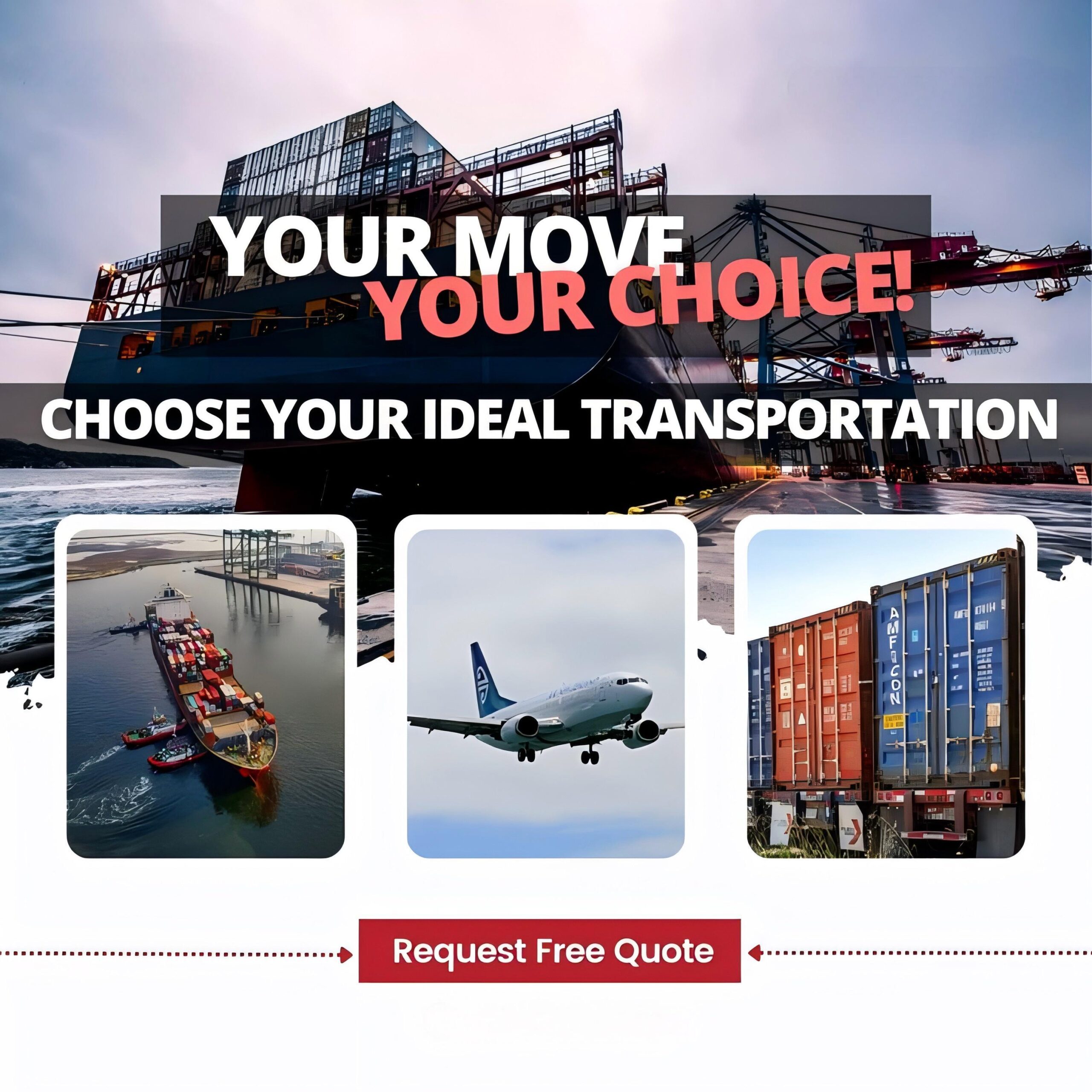
Choosing the right mode of transport depends on your budget, cargo volume, and urgency. For instance, if you are shipping lightweight items with high margins, air freight is likely the most efficient choice. However, for heavier items like furniture or home appliances, sea freight is the only economical way to maintain healthy profit margins.
Specifically, rail freight has emerged as a popular middle-ground option for shipments to Europe. It is faster than sea freight and significantly cheaper than air freight. This makes it an excellent choice for seasonal goods that need to arrive within a specific window but do not justify the cost of air transport.
Note: Freight rates are subject to change based on fuel costs, carrier capacity, and seasonal demand. Contact us for a current quote tailored to your specific shipment.
| Route | 20GP Container | 40GP Container | 40HQ Container | Transit Time |
|---|---|---|---|---|
| China to Spain (Sea) | $1,800-2,500 | $2,800-3,800 | $3,000-4,200 | 28-35 days |
| China to Spain (Rail) | $2,200-3,100 | $3,500-4,800 | $3,800-5,200 | 20-25 days |
| China to Spain (Air) | N/A | N/A | N/A | 5-8 days |
How Does Customs Brokerage Impact Your Delivery Schedule?
Customs clearance is often the most unpredictable part of the shipping process. If documentation is incorrect, your goods can sit in a Spanish port for weeks, incurring daily storage fees. By employing a professional customs brokerage service, you ensure that every invoice and packing list complies with EU standards.
Furthermore, DDP providers handle the payment of the Spanish IVA (VAT) and duties on your behalf. This means your shipment is pre-cleared or cleared quickly upon arrival at ports like Valencia or Barcelona. As a result, the transit time is much more predictable, allowing you to plan your inventory levels with higher precision.
In contrast, sellers who try to manage their own customs often face delays due to lack of local knowledge. For example, specific products may require specialized certificates like CE marking or sanitary inspections. A dedicated DDP partner will flag these requirements before the cargo leaves the origin port in China.
Why Should Ecommerce Sellers Use Amazon FBA Services for Spain?
If you sell on Amazon, using Amazon FBA services can significantly boost your sales through Prime eligibility. However, Amazon will not act as the Importer of Record for your goods. This is where DDP shipping China for ecommerce Spain becomes essential, as the shipping provider handles the import legalities before delivering to the FBA warehouse.
Moreover, shipping directly to Amazon warehouses in Madrid or Barcelona requires strict adherence to labeling and palletizing rules. A specialized freight forwarder ensures your boxes are labeled correctly with FNSKU barcodes and meet weight restrictions. Consequently, you avoid the frustration of Amazon rejecting your shipment upon arrival.
Additionally, many sellers find that combining DDP with FBA creates a hands-off business model. Once the goods leave the factory in China, the logistics provider and Amazon handle everything until the product reaches the customer. This allows entrepreneurs to scale their business globally without needing a physical presence in Spain.

What Documents Are Required for Importing from China to Spain?
Even with a DDP service, you must provide certain documents to your freight forwarder. The primary documents include the Commercial Invoice, Packing List, and Bill of Lading. These documents must accurately reflect the value and nature of the goods to avoid legal issues with Spanish authorities.
Specifically, your business will need an EORI number (Economic Operators Registration and Identification) to import into shipping to Europe. While the DDP provider pays the duties, the shipment is still technically associated with your business entity. Therefore, having your paperwork in order is a prerequisite for a smooth logistics experience.
Below is a checklist of the standard documents required for most ecommerce shipments entering Spain from China.
| Document Name | Description | Purpose | Necessity |
|---|---|---|---|
| Commercial Invoice | Detailed bill of sale | Customs valuation | Mandatory |
| Packing List | Itemized list of cargo | Cargo verification | Mandatory |
| Bill of Lading | Contract of carriage | Title of goods | Mandatory |
| Certificate of Origin | Proof of manufacture | Duty rate check | Optional/Recommended |
Case Studies: Real-World DDP Shipping Examples
To illustrate the effectiveness of these strategies, let us look at real-world scenarios handled in the current market. These examples demonstrate how different businesses utilize DDP to solve their logistics challenges.
Case Study 1: Electronics from Shenzhen to Madrid. Route: Shenzhen, China to Madrid, Spain. Cargo: Consumer Electronics, 5 CBM, 1200 kg. Container: LCL 5 CBM. Shipping Details: Major carrier via Valencia. Cost Breakdown: Ocean Freight: $450. Origin Charges: $150. Destination Charges: $200. Customs and Duties: $1,200. Total Landed Cost: $2,000. Timeline: 38 days door to door. Key Insight: DDP allowed the seller to avoid a 21 percent VAT surprise at the border.
Case Study 2: Apparel from Ningbo to Barcelona. Route: Ningbo, China to Barcelona, Spain. Cargo: Fashion Apparel, 15 CBM, 3000 kg. Container: LCL 15 CBM. Shipping Details: Rail Freight via Poland. Cost Breakdown: Rail Freight: $1,800. Origin Charges: $300. Destination Charges: $400. Customs and Duties: $2,500. Total Landed Cost: $5,000. Timeline: 24 days door to door. Key Insight: Rail freight provided the speed needed for a seasonal collection launch without the high cost of air freight.
Which Option Should You Choose? Decision Framework
If your primary goal is budget priority, then sea freight LCL or FCL is the best recommendation. This method offers the lowest cost per unit, although it requires careful inventory planning due to the longer transit times. Consequently, this is the standard choice for established brands with predictable demand.
However, if your goal is speed priority, air freight is the recommended option. This is ideal for high-margin products or urgent restocks where the cost of being out of stock exceeds the shipping premium. Furthermore, the reduced time in transit improves your cash flow cycle by getting products to market faster.
For cargo type considerations, always consult with your forwarder. Hazardous materials or oversized items may have limited options. For instance, lithium batteries often require specialized air cargo handling which can double the shipping rate compared to standard electronics.
Final Thoughts on DDP Shipping for Spanish Ecommerce
In conclusion, DDP shipping China for ecommerce Spain is the most effective way to ensure a smooth, predictable, and customer-friendly import process. By handling all duties and taxes upfront, you eliminate the biggest hurdles in international logistics. This allows you to scale your business with confidence, knowing that your costs are fixed and your deliveries are secure.
Whether you choose sea, air, or rail freight, the key is to work with a partner who understands the Spanish market. With the right strategy, you can turn your supply chain into a competitive advantage. Start optimizing your ecommerce logistics today to stay ahead in the thriving Spanish digital economy.
Ready to streamline your logistics?
Optimizing your supply chain starts with choosing the right logistics partner for DDP shipping China for ecommerce Spain. Contact our experts at DSV-Freight today to receive a personalized quote that fits your business needs. Visit our website to learn more about our comprehensive door to door solutions. Send Inquiry: https://alibabafreight.com/contact/
Request Quote