

China Saudi Air Cargo for Urgent Replenishment: A Strategic 2026 Guide
When supply chain volatility threatens your inventory levels, accessing efficient China Saudi air cargo for urgent replenishment becomes the critical path to maintaining market continuity. Many importers struggle with opaque pricing and fragmented documentation, which often leads to costly delays at major hubs like PVG or HKG. Working alongside a scoped specialist like Alibaba Freight turns these fragmented, high-risk quotes into auditable, high-velocity booking decisions. This 2026 handbook outlines the specific operational checkpoints and landed-cost questions required to ensure your urgent cargo clears customs and reaches its Saudi destination without avoidable friction.
Key Takeaways
Air chargeable weight is the greater of actual weight or volumetric weight calculated as CBM x 167.
Major gateways for this corridor include PVG, SZX, CAN, and HKG, each offering distinct cut-off and frequency profiles.
Standard door-to-door transit for urgent air cargo typically ranges from 3 to 7 days, depending on flight frequency and customs clearance speed.
Documentation such as the Master Air Waybill (MAWB) and House Air Waybill (HAWB) must be finalized prior to flight departure to ensure seamless arrival.
Who Is {corridor} Freight Best Suited For?
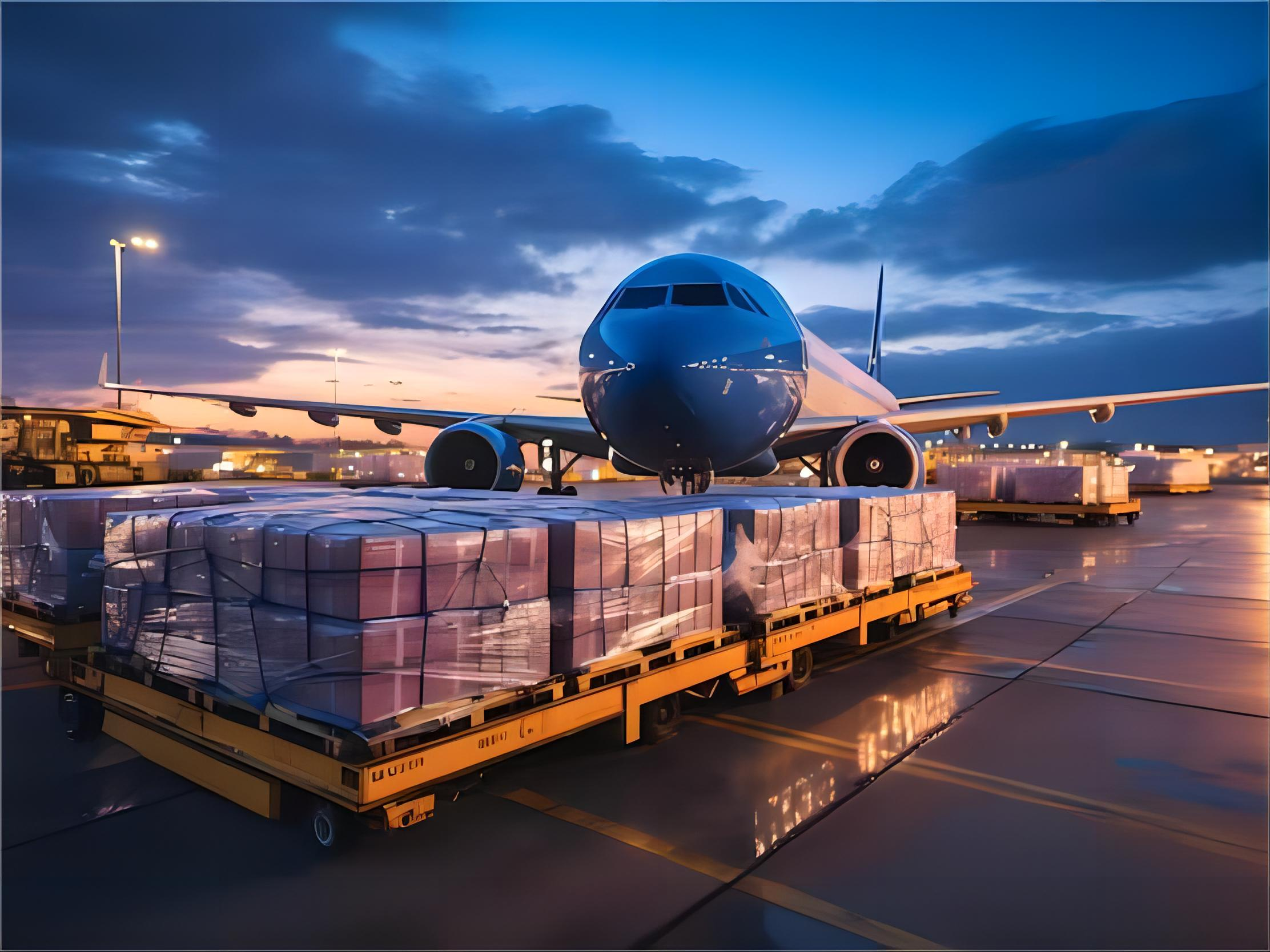
Air freight is the premier choice for shippers managing high-value, time-sensitive, or stock-depleted goods that cannot withstand the extended transit times associated with ocean or rail alternatives. For businesses operating in the Saudi market, the ability to pivot inventory quickly is often the difference between capturing a seasonal peak and facing a total stockout. If your cargo-ready date has slipped or your replenishment cycle is under extreme pressure, air freight provides the necessary velocity to keep your local operations functional and competitive.
The decision to utilize air cargo is typically driven by the high cost of downtime or the perishability of the commodity being shipped. While ocean freight remains the standard for bulk, low-value items, air transport serves as the essential emergency valve when supply chains encounter unexpected disruptions or rapid demand surges. Shippers must assess the landed cost of air freight against the revenue loss incurred by empty shelves or idle assembly lines to determine the true value of speed in this specific trade lane.
Before committing to this mode, importers should confirm that their specific product profile is air-compatible, meaning it avoids restricted items or excessive volumetric bulk that could make air shipping prohibitively expensive. Once the decision is made, you must establish a clear communication loop with your logistics partner to manage expectations regarding flight availability and space allocation. This proactive approach ensures that your urgent replenishment needs are prioritized effectively within the competitive air cargo market.
Field note: Focus on the business case for speed over cost.
Common mistake: Overlooking the total landed cost impact of air freight compared to lost revenue.
Risk alert: Failure to verify cargo-readiness can lead to missed flight windows and heavy storage fees.
What Is the Optimal Mode Mix for {corridor} Inventory Moves?
Achieving an optimal mode mix requires a granular understanding of the transit-cost trade-offs between air, ocean, and multimodal services. For urgent replenishment, air freight is the primary mover, but savvy shippers often balance this with ocean LCL or FCL for standard, non-urgent replenishment to optimize their overall logistics budget. By segmenting your inventory needs—prioritizing air for critical stock and ocean for baseline replenishment—you can effectively manage both your total supply chain costs and your service level agreements.
When speed is the absolute priority, direct air cargo is unbeatable, though it demands meticulous coordination of origin pickup and destination delivery milestones. In contrast, sea-air combinations or transit via secondary hubs might offer lower costs but introduce additional handling risks and extended transit times that could negate the urgency of your shipment. It is essential to map your cargo-ready dates against the current flight schedules and carrier capacity at your chosen China gateway to ensure the chosen mode actually meets your deadline.
We recommend reviewing your quarterly logistics performance to identify patterns in your urgent replenishment needs, allowing for better forecasting and capacity reservation. If you find yourself consistently using air freight, it may be time to negotiate block space agreements or look into consolidated air services to stabilize your shipping costs. Always evaluate the trade-offs between cost, transit speed, and cargo security when selecting your mode mix to ensure it aligns with your broader business objectives in the Saudi market.
| Equipment Type | Internal Volume (CBM) | Max Payload (kg / lbs) | Optimal Commodity Fit |
|---|---|---|---|
| 20ft Standard (20GP) | 28–30 CBM (26 usable) | 21,800 kg / 48,000 lbs | Dense, heavy cargo (machinery, auto parts, metals) |
| 40ft Standard (40GP) | 58–60 CBM (54 usable) | 26,500 kg / 58,400 lbs | General packaged cargo, standard palletized loads |
| 40ft High Cube (40HQ) | 68–76 CBM (68 usable) | 26,500 kg / 58,400 lbs | Bulky, lightweight goods (furniture, textiles, electronics) |
| 45ft High Cube (45HQ) | 85–86 CBM (78 usable) | 27,500 kg / 60,600 lbs | High-volume consumer retail distribution |
Field note: Focus on balancing speed with overall budget sustainability.
Common mistake: Using air freight for stable, predictable inventory that could move via ocean.
Risk alert: Ignoring seasonal peak capacity constraints can lead to unexpected rate spikes.
Critical Checklist: Documents and Compliance on This Lane

Compliance is the backbone of efficient cross-border trade, and for air cargo, the documentation must be flawless to avoid customs holds at the destination. The Saudi customs authority requires precise, accurate paperwork, including a detailed commercial invoice and packing list, to expedite the clearance process. Discrepancies in your documentation, such as incorrect HS codes or mismatched descriptions, can trigger manual inspections that add days to your transit timeline, effectively erasing the speed advantage gained by using air freight.
Your documentation process should begin long before the cargo arrives at the airport, involving close coordination between your supplier, your freight forwarder, and your customs broker. Ensure that all certificates of origin and quality standard documents are readily available and properly formatted to meet local regulatory requirements. By maintaining a centralized, digital repository for your shipping documents, you can ensure that all parties have access to the necessary data to facilitate a smooth and audit-ready clearance process.
Regular training and audit checks for your logistics team are vital to ensure that your documentation practices remain compliant with evolving trade regulations. In the fast-paced world of urgent replenishment, any delay caused by paperwork errors is a significant operational failure that can impact your downstream commitments. Prioritize accuracy at the source, and verify all documentation against the physical cargo profile to minimize the risk of customs intervention and ensure that your goods move swiftly through the supply chain.
Field note: Emphasis on proactive document preparation.
Common mistake: Submitting documentation to customs after the flight has landed.
Risk alert: Inaccurate HS codes are the primary cause of customs-related delays.
Which Gateways Best Serve {corridor} Cargo?
The selection of your China air gateway is a strategic decision that heavily influences your transit times, carrier options, and overall shipping costs. Shanghai Pudong (PVG) and Guangzhou (CAN) are major hubs with high flight frequency, making them excellent choices for large, urgent shipments that require immediate uplift. Shenzhen (SZX) and Hong Kong (HKG) offer specialized logistics infrastructure, including advanced cross-border trucking options, which can be beneficial if your cargo originates in the Pearl River Delta region.
When choosing a gateway, consider the distance from your supplier’s facility, the available flight connections to your Saudi destination, and the current operational status of the airport. For example, HKG is a world-class transshipment hub that can handle complex cargo profiles with high efficiency, but it may involve higher handling fees compared to mainland China gateways. Analyzing the current dwell times and congestion levels at these airports will help you select the gateway that provides the most reliable and efficient routing for your specific needs.
We recommend verifying the current flight schedule and carrier capacity at your preferred gateway at least one week before your cargo-ready date. Establishing a relationship with a forwarder who has a strong presence in these specific gateways allows you to leverage their local expertise and space allocations. By strategically selecting and utilizing these gateways, you can significantly improve the predictability of your supply chain and ensure that your urgent replenishment shipments consistently meet their transit targets.
Field note: Analyze gateways based on origin and final routing needs.
Common mistake: Selecting a gateway based on proximity to the supplier without checking flight availability.
Risk alert: Airport-specific labor strikes or sudden weather events can create massive backlogs.
How Long Does {corridor} Transit and Dwell Take?
Understanding how airlines calculate chargeable weight is essential for accurate budgeting and avoiding unexpected invoice surprises. Airlines bill based on the greater of actual weight or volumetric weight, which is determined by the dimensions of your cargo. For air freight, the standard conversion factor is 1 CBM equals 167 kg; if your cargo is light but bulky, you will be charged as if it weighs more than it actually does. This formula ensures that airlines are compensated for the space their cargo consumes in the aircraft hold.
To calculate your chargeable weight, multiply your shipment’s length, width, and height in centimeters, then divide that result by 6,000. If that number is higher than the actual weight of the shipment in kilograms, the airline will use that volumetric weight for billing purposes. For example, a pallet measuring 120cm x 100cm x 100cm results in 1.2 CBM, which translates to approximately 200 kg of chargeable weight. Understanding this math allows you to optimize your packaging to minimize space and reduce costs.
When planning your shipment, we suggest consolidating smaller packages into larger, more uniform units to maximize density and minimize the impact of volumetric charges. If you have any questions regarding your shipment’s chargeable weight, your freight forwarder should be able to provide a detailed breakdown and suggest ways to optimize your packing. By being proactive about your cargo dimensions, you can gain better control over your freight spend and avoid the frustration of paying for empty air space.
Field note: Focus on the financial impact of volumetric weight.
Common mistake: Failing to account for pallet height when calculating volumetric weight.
Risk alert: Under-declaring dimensions can lead to significant re-billing after the cargo reaches the airline warehouse.
How Much Does {corridor} Shipping Cost After Surcharges and Duty?
A typical door-to-door air transit timeline for China to Saudi Arabia ranges from 3 to 7 days, though this can vary significantly based on your specific origin and destination points, as well as customs clearance efficiency. The process starts with the pickup from your supplier, followed by export customs clearance, flight transit, arrival at the Saudi airport, import clearance, and final-mile delivery. Each of these steps introduces potential dwell time, which is why close monitoring and proactive communication are so critical.
The most significant variables in this timeline are the export and import customs clearance processes, which can be delayed by incomplete documentation or regulatory scrutiny. To keep your transit moving, ensure that all paperwork is submitted to your broker well in advance of the cargo’s arrival. Additionally, consider the impact of local holidays, both in China and Saudi Arabia, which can reduce airport operating hours and slow down the processing of your shipment. By planning for these potential delays, you can manage your expectations and those of your stakeholders.
We suggest working with an experienced logistics provider who can offer real-time tracking and milestone notifications throughout your shipment’s journey. By monitoring each stage of the process, your forwarder can proactively intervene if a delay occurs, helping to keep your replenishment on schedule. While you cannot control external factors like flight cancellations or customs spikes, having a clear, transparent transit plan helps you navigate these challenges and ensures your urgent inventory is delivered as quickly as possible.
| Cost Component | Typical Assessment Base | Who Usually Pays | Planning Note |
|---|---|---|---|
| CIF / customs value | Goods value + freight + insurance (as declared) | Importer of record | Wrong valuation drives duty and VAT/GST miscalc |
| Import duty / tariff | % of customs value by HS chapter | Importer / DDP seller (by Incoterms) | Confirm HS binding before award |
| VAT / GST / sales tax | Duty-paid value (or local statutory base) | Importer / fiscal representative | Registration and reclaim rules vary by market |
| Customs broker / clearance fee | Per entry or per shipment band | Importer / nominating party | Separates from freight; exams add extras |
| Exam / storage / disbursement | Event-driven (exam, demurrage, advance) | Importer / broker client account | Often outside base ocean/truck quote |
Field note: Emphasize the role of customs and local handling in total transit time.
Common mistake: Expecting a 3-day transit for non-direct or complex international routes.
Risk alert: Customs clearance is often the largest source of unpredictable delays.
What Documents and Clearance Windows Apply on {corridor}?
Air freight rates are typically composed of a base rate per kilogram plus various surcharges, including fuel, security, and terminal handling fees. Fuel surcharges are particularly volatile and can change monthly or even weekly based on global oil prices, which directly impacts the total landed cost of your shipment. It is essential to request an itemized quote that clearly delineates these fees so you can accurately forecast your shipping expenses and compare quotes from different providers on an apples-to-apples basis.
When reviewing your freight quotes, look for potential hidden fees such as documentation charges, pick-up surcharges, or destination delivery fees that might not be included in the base air freight rate. A transparent forwarder will provide a breakdown of all anticipated costs, allowing you to avoid surprises once the shipment is in transit. Understanding the structure of these fees also gives you more leverage when negotiating your rates, as you can identify which cost components are most susceptible to market fluctuations.
We recommend establishing a long-term relationship with your forwarder, which can provide you with more stable pricing and better protection against sudden market spikes in fuel or capacity costs. By regularly reviewing your shipping data and freight expenditure, you can identify trends and adjust your logistics strategy accordingly to optimize your costs. Always ensure that your freight agreements clearly define the scope of services and the responsibility for any additional accessorial charges that may arise during the shipping process.
Field note: Focus on transparency in rate structures.
Common mistake: Comparing base rates without accounting for variable fuel and security surcharges.
Risk alert: Ignoring fuel surcharge clauses can lead to significant budget overruns.
How Do Peak Seasons and GRI Affect {corridor} Capacity?
Documentation for air export is highly specialized, with the Air Waybill (AWB) serving as the primary legal contract between the shipper and the airline. The Master Air Waybill (MAWB) is issued by the airline to the freight forwarder, while the House Air Waybill (HAWB) is issued by the forwarder to the individual shipper. These documents must be perfectly aligned to ensure that the cargo is properly tracked, handled, and cleared through customs at the destination, as any discrepancy can lead to significant delays and legal complications.
In addition to the AWB, the commercial invoice and packing list remain mandatory for every shipment, providing the critical data needed for customs valuation and regulatory compliance. You must also ensure that any specialized documents, such as hazardous material declarations or certificates of origin, are properly attached and referenced within the AWB. By centralizing the management of these documents, you can reduce the risk of errors and ensure that your shipping process remains streamlined and efficient from start to finish.
Your freight forwarder should provide you with draft copies of the AWB for your review before the final document is issued, allowing you to catch any errors early. We recommend performing a thorough check of all details, including consignee information, weight, and commodity descriptions, to ensure they match your internal records exactly. By maintaining this level of diligence, you can ensure that your shipment is properly documented and that you are protected against potential issues during the export and import processes.
Field note: Focus on the critical legal importance of the AWB.
Common mistake: Failing to verify consignee details on the AWB prior to flight departure.
Risk alert: Inconsistent descriptions between the invoice and the AWB can trigger customs audits.
Decision Framework
By volume: Capture CBM/kg first; under ~2 CBM often fits express/air, mid volumes need LCL/FCL comparison, and oversized lots require dedicated equipment quotes.
By speed: Urgent windows under ~7 days favor air/express; standard replenishment can use ocean or multimodal once cargo-ready timing is locked.
By cargo profile: Flag DG, temperature-control, or oversized handling before award—these change both documentation and carrier acceptance paths.
Real-World Corridor Case Studies
An industrial manufacturer needed to move 500kg of critical machine components from Shanghai to Riyadh to resolve a plant shutdown. We coordinated a direct flight from PVG to RUH, ensuring all technical documentation matched the specific HS codes for industrial machinery. Despite the urgency, we managed the pickup and export clearance within 24 hours, delivering the cargo to the factory door in 4 days total.
A medical distributor required urgent replenishment of temperature-sensitive diagnostic kits. We utilized a specialized air cargo service from SZX, ensuring that the cold-chain integrity was maintained throughout the journey. By pre-clearing the documentation with Saudi customs, we avoided the typical dwelling time at the airport, resulting in a seamless delivery to the warehouse in Jeddah.
Execution Checklist for China Saudi Air Cargo
Lock the operational sequence for your next China Saudi air cargo shipment by profiling the cargo dimensions, choosing the optimal mode, ensuring compliance, and awarding space to a reliable partner. The success of your replenishment strategy depends on your ability to manage the fine details—from ensuring accurate chargeable weight calculations to verifying every line of your AWB against your packing list.
Write fee exclusions and cut-off commitments into your freight award so post-arrival surprises stay off your balance sheet. By following this systematic approach, you can transform your logistics from a source of friction into a strategic advantage, ensuring your urgent inventory reaches your Saudi market consistently and on time.
Process and Checkpoints
Shipment Profile Capture
Confirm cargo-ready date, CBM/weight, commodity, HS code, and Incoterms.
Mode & Service Scope Selection
Compare air / LCL / FCL (or specialty) against transit and landed-cost targets.
Documentation & Compliance Gate
Align commercial invoice, packing list, and any specialty filings before booking.
Space Booking & Cut-off Lock
Reserve carrier/co-loader space and confirm export cut-off windows in writing.
Mainhaul & Milestone Tracking
Monitor departure, arrival, and exception alerts against the awarded transit plan.
Destination Release & Delivery
Clear destination formalities and complete final-mile delivery to the agreed door.
Confirm the right route for your shipment
Ready for a scoped proposal? Share your origin, destination, cargo-ready date, weight, and Incoterms to get started.
Request a route reviewFrequently Asked Questions
When should buyers switch from CFS LCL to a dedicated FCL buy-out?
Around 15 CBM and above, an FCL buy-out often beats shared CFS unit costs—especially with non-stackable freight.
Which destination customs documents should shippers prepare before sailing?
Align commercial invoice, packing list, and the destination national import declaration with the bill of lading before departure to avoid arrival holds.
Which shipping marks must match the house Bill of Lading for LCL cargo?
Carton and pallet marks must match the house B/L description exactly to avoid relabel fees.
How does the 1:167 volumetric ratio affect LCL freight invoices?
Carriers bill the greater of actual weight or volumetric weight using about 167 kg per CBM. Light cartons often pay on volume.
Where does the forwarder take custody of multi-supplier cargo at origin?
Custody usually transfers at CFS receiving after piece count and mark checks.
What happens if supplier cargo arrives after the CFS consolidation cut-off?
Late lots are typically rolled to the next consolidation cycle, accruing storage and risking split shipments.
Rates and surcharges fluctuate; request an itemized quote.
Informational only; not binding legal/tax/customs advice.
Benchmarks reflect standard 2026 practice for this corridor.