
China Dubai Warehouse Fulfillment for Imported Inventory: A 2026 Operational Guide
Coordinating China Dubai warehouse fulfillment for imported inventory requires precise synchronization between origin dispatch and destination intake schedules to avoid costly port dwell. When documentation lags or drayage appointments miss their windows, supply chains face immediate bottlenecks that ripple through warehouse labor and outbound fulfillment capacity. By partnering with Alibaba Freight, importers can secure the visibility and procedural rigour necessary to navigate complex cross-docking and storage requirements. This 2026 guide details the essential checkpoints, from terminal appointment discipline to warehouse receiving SLAs, that ensure your imported inventory moves seamlessly from port to final distribution.

Key Takeaways
Aim for 65–70 CBM utilization for palletized freight in a standard 40HQ container to ensure safe devanning.
Target a 24–48 hour turnaround window for warehouse receiving and ASN reconciliation to maintain outbound velocity.
Terminal free-time typically ranges from 3 to 5 days; failure to clear customs and dispatch drayage within this window triggers daily detention fees.
Standard pallet rework and relabeling labor costs fluctuate between $15 and $45 per pallet depending on SKU complexity and volume.
Which Importers and SKU Types Need Sorting and Repacking?
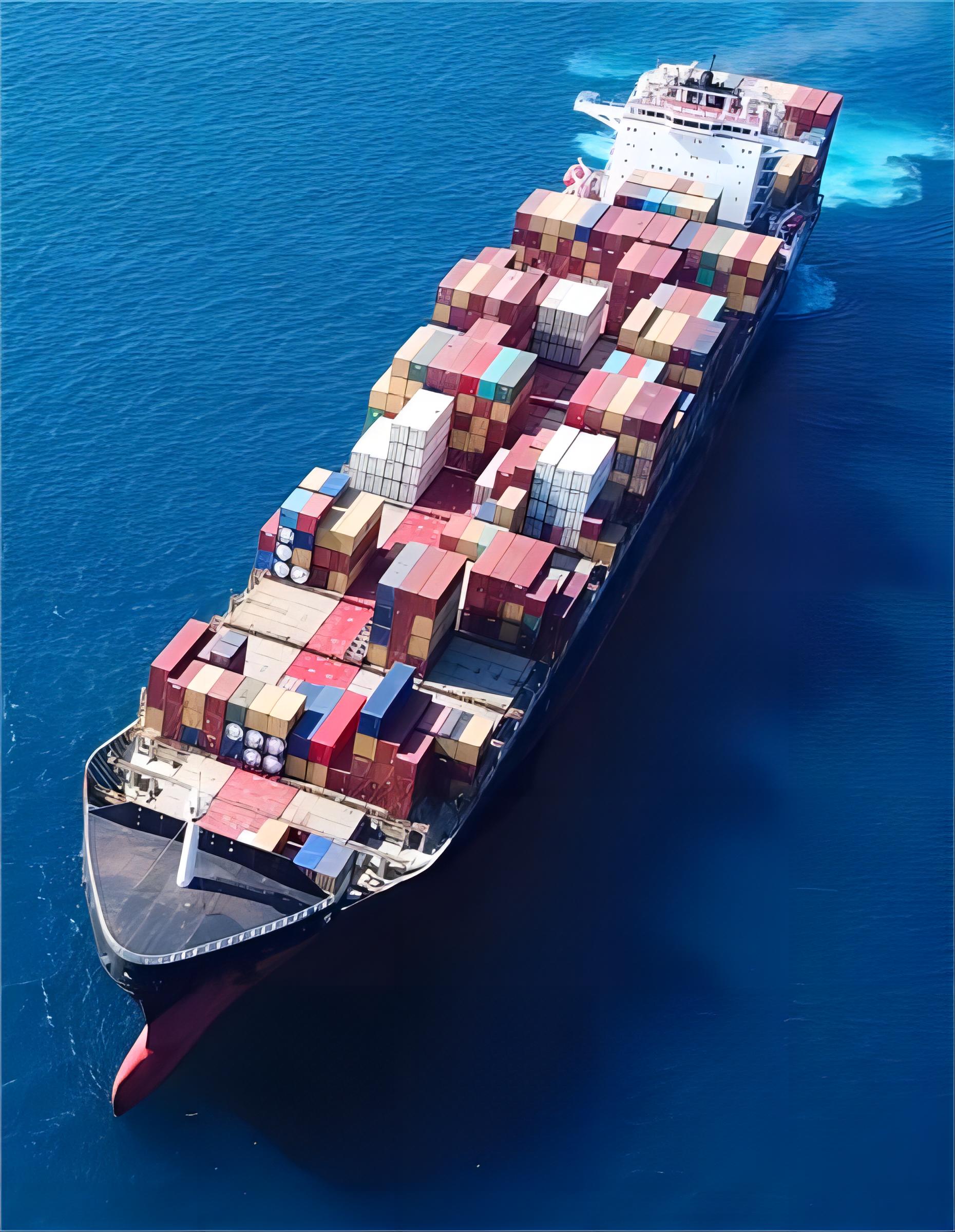
Managing terminal pickup appointments is the critical first step in China Dubai warehouse fulfillment for imported inventory. Importers must recognize that terminal free-time is a finite asset, typically spanning only 3 to 5 days, and any delay in customs clearance or chassis allocation will result in immediate demurrage charges. Proactive coordination involves verifying the availability of the container at the port of discharge before dispatching a drayage carrier, as premature attempts to secure an appointment often fail due to customs holds or incomplete release documentation.
The process requires a tight integration between the freight forwarder and the drayage provider to ensure that the appointment window aligns with the terminal’s capacity. Failure to honor a scheduled slot or arriving without the necessary electronic gate passes can force a re-booking, which often pushes the pickup date beyond the free-time limit. Importers should track the container status in real-time through the port’s digital portal to anticipate potential gate congestion or labor strikes that could impede the scheduled drayage movement.
Mitigation strategies include securing pre-cleared customs status before the vessel arrives and maintaining a list of approved, secondary drayage partners who can step in if the primary carrier faces capacity constraints. By treating terminal pickup as a time-sensitive logistics event rather than a standard delivery, importers can effectively minimize the risk of incurring daily storage and detention penalties that erode margin on imported goods.
Field note: Monitor port terminal websites daily for updated gate operating hours.
Common mistake: Assuming terminal free-time starts upon container gate-out rather than discharge.
Risk alert: Late customs clearance is the single largest driver of avoidable demurrage costs.
What Value-Add Services Belong in the Sorting and Repacking Matrix?
Transloading imported cargo from ocean containers into domestic trailers is often the most efficient strategy for optimizing the final-mile leg of the supply chain. While direct container delivery seems simpler, it frequently results in higher detention risk if the destination facility lacks the capability to unload heavy ocean containers or if the site layout cannot accommodate 40-foot chassis. Transloading allows for the consolidation of multiple containers into fewer, more manageable domestic loads, which can drastically reduce total transportation costs for large-scale imports.
The decision to transload should be based on the destination facility’s receiving infrastructure and the total volume of the import. If the final destination is an Amazon Fulfillment Center or a retail distribution hub with strict appointment requirements, transloading provides a buffer that allows the warehouse to manage the inflow of goods without being at the mercy of drayage delays. This decoupling of the ocean leg from the final delivery leg enables better control over labor scheduling and ensures that the goods are in a format that the receiving facility can process immediately.
To execute this effectively, importers must ensure that the warehouse facility has the necessary equipment and labor expertise to handle the shift from international to domestic shipping formats. Detailed communication regarding the expected arrival of the container and the required pallet configuration is essential to prevent delays during the transload process. By leveraging a local warehouse services provider, businesses can maintain high throughput and minimize the time inventory spends in transit between the port and the final delivery point.
| Accessorial Charge | Standard Free Window | Typical USD Band | Trigger Condition |
|---|---|---|---|
| Driver detention | First 2 hours free | $75 – $120 / hour | Dock dwell past free window |
| Border layover surcharge | Same-day clearance | $350 – $600 / night | Secondary exam / bad e-Manifest |
| Liftgate / inside delivery | Dock-to-dock standard | $125 – $250 / service | No commercial loading dock |
| Pallet restrap & re-wrap | Origin inspected | $30 – $60 / pallet | Shift or damaged wrap at cross-dock |
Field note: Evaluate the height and weight restrictions of your final destination dock.
Common mistake: Ignoring the cost of drayage detention when shipping direct to congested retail sites.
Risk alert: Improperly secured transloaded cargo poses a significant risk of damage during transit.
How Are 3PL Labor, Pallet Storage, and Handling Fees Structured?

Warehouse receiving Service Level Agreements (SLAs) are the operational bedrock for maintaining consistent outbound fulfillment timelines. An effective SLA defines the expected duration for the warehouse to move cargo from the receiving dock to a scannable inventory status, typically aiming for 24 to 48 hours for standard shipments. Without clearly defined SLAs, imported inventory can languish on the receiving floor, missing critical outbound windows for retail partners or e-commerce platforms that impose stiff penalties for late deliveries.
Importers must enforce these SLAs by requiring the warehouse to provide visibility into the intake process, including status updates once the container is broken down and the inventory is reconciled against the packing list. If the warehouse fails to meet these targets, the impact is felt immediately in the form of stockouts or missed sales, especially during peak seasons when consumer demand is at its highest. Establishing a formal agreement that outlines the consequences of missed SLAs, such as priority processing or fee credits, ensures that the third-party logistics provider remains incentivized to prioritize your cargo.
Accurate documentation, such as the Advance Shipping Notice (ASN), is the key to accelerating the receiving process. When the warehouse receives a digital record of the shipment before or at the time of arrival, they can prepare labor and equipment for the specific SKU profile contained within the shipment. Importers should audit their warehouse partner’s performance regularly, focusing on the time elapsed between container arrival and inventory availability, to ensure that the agreed-upon SLAs are being honored in practice.
Field note: Ensure your WMS is integrated with your logistics provider for real-time visibility.
Common mistake: Sending shipments without a pre-uploaded ASN or packing list.
Risk alert: Ignoring receiving SLAs leads to inventory fragmentation and lost sales opportunities.
What Inbound Receiving and 24–48h Processing Windows Should You Expect?
Standard Operating Procedures (SOPs) for repack, relabel, and pallet rework are essential for mitigating damage risk during the handling of imported inventory. Often, cargo arrives from overseas with shifting loads, damaged outer cartons, or non-compliant labeling that prevents it from being accepted by major retail channels or fulfillment centers. Implementing a rigorous rework SOP ensures that every unit is inspected, stabilized, and properly identified before it moves further into the supply chain, thereby reducing the likelihood of downstream rejections.
The rework process should start with a thorough inspection of the cargo as it is devanned from the ocean container. Any damage identified at this stage must be documented with high-resolution photos and detailed reports to support potential insurance claims against the carrier or the supplier. Once the damage is assessed, the rework team follows a pre-approved protocol to either consolidate items into new cartons, apply compliant barcodes, or re-stack pallets to meet specific height and weight requirements demanded by the end-user or the transport mode.
Effective SOPs also incorporate strict quality control checkpoints where the finished product is verified against the original specifications. By maintaining a clean and professional appearance for the inventory, importers not only protect their brand reputation but also ensure that the goods move through the logistics network without unnecessary inspections or delays. Documenting these processes provides an auditable trail that is vital for resolving disputes with suppliers or retail partners regarding the condition of the goods upon arrival.
| Accessorial Charge | Standard Free Window | Typical USD Band | Trigger Condition |
|---|---|---|---|
| Driver detention | First 2 hours free | $75 – $120 / hour | Dock dwell past free window |
| Border layover surcharge | Same-day clearance | $350 – $600 / night | Secondary exam / bad e-Manifest |
| Liftgate / inside delivery | Dock-to-dock standard | $125 – $250 / service | No commercial loading dock |
| Pallet restrap & re-wrap | Origin inspected | $30 – $60 / pallet | Shift or damaged wrap at cross-dock |
Field note: Always keep a stock of generic compliant shipping labels on hand at the warehouse.
Common mistake: Failing to document damage immediately upon devanning.
Risk alert: Improper palletizing often leads to cargo tipping during local truck transit.
How Do Damage Inspection, Photo Evidence, and Quarantine SOPs Work?
Understanding the breakdown of drayage invoices is crucial for managing the total landed cost of your imported inventory in Dubai. Drayage carriers typically pass through several types of accessorial charges, including chassis rental fees, detention for late return of equipment, and per-diem charges that accrue for each day the container remains outside the terminal footprint. These fees are often variable and can escalate quickly if the warehouse does not prioritize the unloading and return of the container to the port or depot.
Chassis fees are a common source of confusion, as they may be billed as a daily rental or a flat fee depending on the carrier’s contract with the port authority. Detention is perhaps the most significant financial risk, as it is directly tied to the efficiency of the warehouse receiving process. If a container is held for several days beyond the allotted free-time due to slow unloading or poor scheduling, the resulting detention charges can easily exceed the cost of the drayage move itself, turning a profitable shipment into a loss-maker.
To manage these costs, importers must demand itemized invoices that clearly distinguish between base drayage and accessorial charges. Regularly auditing these invoices against the yard logs and terminal gate-in records will help identify any discrepancies or unjustified fees. Furthermore, negotiating inclusive drayage rates or ensuring that your logistics partner has strong relationships with container depots can provide better visibility and predictability regarding the total cost of moving your cargo from the port to the facility.
Field note: Verify the chassis type required for your container size before dispatching.
Common mistake: Accepting lump-sum drayage invoices without a breakdown of accessorials.
Risk alert: Detention charges are the primary cause of budget overruns in import logistics.
Which Amazon FBA, Walmart, and Retail-Ready Pack Standards Apply?
ASN accuracy and WMS scan discipline are the mechanisms that guarantee high inventory integrity throughout the fulfillment cycle. An Advance Shipping Notice (ASN) must perfectly match the physical items contained within the shipment; any variance between the digital data and the actual pallet count creates a discrepancy that can halt the entire receiving process and trigger manual audits. Importers must work closely with their suppliers to ensure that the ASN is generated and transmitted correctly, using standardized SKU data that the warehouse system can easily ingest.
WMS scan discipline refers to the requirement that every touchpoint of the cargo, from the moment it is received to the moment it is picked for an outbound order, is captured by a digital scan. This level of rigor eliminates the guesswork associated with inventory levels and provides the data necessary to optimize warehouse layouts and pick-paths. Without disciplined scanning, the warehouse inevitably suffers from ghost inventory, where the system shows items that are not physically present, leading to canceled orders and frustrated customers.
Enforcing these standards involves regular training for warehouse staff and the implementation of automated alerts when scan compliance falls below target levels. By utilizing high-quality warehouse services that prioritize WMS integration, importers can ensure that their inventory data remains accurate in real-time. This digital visibility is essential for scaling operations, as it allows for the seamless integration of new SKUs and the ability to pivot rapidly in response to changing fulfillment demands.
Field note: Implement barcode validation checks at the packing station for every shipment.
Common mistake: Relying on manual spreadsheets instead of WMS-native data for inventory control.
Risk alert: Data drift between your ASN and physical inventory leads to systemic fulfillment errors.
How Do Drayage, LTL Cross-Dock, and Final-Mile Connect After Repack?
Exception photo SOPs are your strongest line of defense when navigating chargeback disputes and insurance claims. Whenever an issue occurs—such as a damaged carton, a broken seal, or an incorrect pallet configuration—the warehouse staff must capture high-quality, timestamped photos that clearly show the condition of the cargo at the moment of receipt. These images serve as the definitive record of the shipment’s state, providing the necessary evidence to hold carriers or suppliers accountable for losses that occurred during transit.
The SOP must clearly define exactly which angles and details to capture, such as the container seal number, any signs of tampering on the exterior, and the specific location of the damage within the load. By standardizing this process, the warehouse removes any ambiguity regarding when and how the damage occurred, which is crucial for proving liability. Furthermore, these photos should be immediately uploaded to a centralized document management system where they can be easily retrieved for insurance adjusters or retail compliance teams if a claim is filed.
Investing the time to train your warehouse team on these standards turns your receiving area into a powerful information hub. When a dispute arises, having a comprehensive photo pack ready for immediate submission significantly increases the chances of a favorable resolution. This systematic approach to documentation not only protects your financial interests but also signals to your logistics partners that you hold them to the highest standards of care and accountability for your cargo.
Field note: Use a mobile app to instantly associate photos with the specific ASN in your WMS.
Common mistake: Taking blurry or low-resolution photos that fail to show the pallet ID.
Risk alert: Insufficient photo evidence is the single most common reason for failed insurance claims.
How Should You Choose the Right 3PL Repacking Partner?
Outbound wave planning is the process of grouping orders into efficient batches to optimize the dispatch of LTL, FTL, and parcel shipments. By analyzing order volume and destination ZIP codes, the warehouse can group shipments in a way that minimizes travel time for warehouse pickers and maximizes the utilization of outgoing trailers. This strategic grouping is essential for maintaining a high order-fulfillment rate while keeping transportation costs within budget, especially when dealing with diverse shipping channels.
FTL (Full Truckload) shipments are prioritized for high-volume orders that can justify the exclusive use of a trailer, while LTL (Less-Than-Truckload) is utilized for smaller orders that can be consolidated to share costs. Parcel channels, meanwhile, are reserved for individual orders that require rapid, door-to-door delivery. The warehouse must manage these different channels simultaneously, ensuring that pick-waves are scheduled so that LTL and FTL carriers can be loaded during their assigned appointment windows, avoiding the penalties that arise from late arrivals.
Success in outbound wave management depends on the warehouse’s ability to synchronize their labor force with the carrier’s schedule. This involves sophisticated planning tools that can account for carrier load-times, dock availability, and the specific shipping requirements of each channel. By refining these processes with Alibaba Freight, importers can achieve a level of fulfillment efficiency that improves customer satisfaction and reduces the overall cost of distribution across all channels.
Field note: Review carrier appointment trends to adjust your pick-wave start times.
Common mistake: Overloading a single dock door with multiple LTL carriers simultaneously.
Risk alert: Poorly sequenced outbound waves lead to carrier detention fees and missed shipping deadlines.
Decision Framework
By volume: Under ~12 CBM consolidates via JAFZA CFS; 20GP/40HQ FCL uses standardized free-time contracts.
By speed: Direct ocean to Jebel Ali often 14–20 days; air into DXB/DWC supports 24–48 hour fulfillment.
By cargo profile: Validate MoIAT/ECAS, G-Mark where required, and attestation rules before shipment.
Real-World Corridor Case Studies
A consumer electronics shipper moved consumer electronics and accessories from Shanghai, China to Khalifa Port on a scoped ocean lane. The forwarder locked battery/MSDS declarations, anti-static packing, and high-value cargo insurance before CY gate-in, aligned commercial invoice and packing list data with the carrier booking, and tracked destination release so demurrage clocks stayed inside negotiated free time.
A apparel & textiles shipper moved seasonal apparel and textile cartons from Shenzhen, China to Jebel Ali on a scoped ocean lane. The forwarder locked volumetric billing on light cartons, moisture desiccants, and retail labeling before CY gate-in, aligned commercial invoice and packing list data with the carrier booking, and tracked destination release so demurrage clocks stayed inside negotiated free time.
Mastering Warehouse Execution for Global Trade
China Dubai warehouse fulfillment for imported inventory is won or lost on terminal appointments, receive accuracy, and exception photos—not on original ocean booking cut-offs. By focusing on the granular details of drayage timing and warehouse intake discipline, importers can transform their logistics chain from a cost center into a competitive advantage.
Lock chassis, storage, and relabel SLAs in writing before the first container lands to ensure your partners are aligned with your retail requirements. Contact our team to review your current corridor strategy and secure the operational visibility needed for 2026 and beyond.
Process and Checkpoints
Terminal Appointment & Release
Confirm customs release, terminal availability, and chassis plan before dispatching drayage.
Inbound Receive & Scan
Unload against ASN, capture exceptions, and quarantine damaged cartons with photos.
Value-Add / Repack
Apply relabel, kitting, or FBA prep rules with written SLA checkpoints.
Storage & Inventory Control
Place SKUs in WMS locations with free-time and billing rules documented.
Outbound Wave Build
Plan LTL/FTL/parcel dispatches against delivery appointments.
POD & Billing Close
Capture POD, reconcile accessorials, and close the warehouse order file.
Confirm the right route for your shipment
Need drayage or warehouse support? Share port/CFS location, carton or pallet counts, and outbound channel for a receiving plan.
Request a route reviewFrequently Asked Questions
How should inbound ASNs align with WMS receiving scans at a border fulfillment warehouse?
ASN carton counts, SKU barcodes, and pallet IDs must match physical receipt before repack or relabel SOWs begin—mismatches trigger chargeback holds.
What photo evidence is required to file SKU damage claims after warehouse sortation?
Capture carton labels, inner SKU barcodes, and damage photos at intake; claims without timestamped WMS scan proof are often denied.
How does pallet height and density change LTL freight class on US–Canada lanes?
Non-stackable or oversized pallets can reclass freight and trigger re-weigh fees—declare dimensions before tender.
What warehouse dwell fees apply when importers delay pickup after customs release?
CFS or bonded warehouses charge daily storage after short free windows—often USD 35–90/CBM or per pallet/day.
How does Mexican NOM labeling compliance affect border dwell times?
Missing certified Spanish NOM markings force bonded re-labeling at the border, adding 24–72 hours and auxiliary handling fees.
Which shipping marks must match the house Bill of Lading for LCL cargo?
Carton and pallet marks must match the house B/L description exactly to avoid relabel fees.
Rates and surcharges fluctuate; request an itemized quote.
Informational only; not binding legal/tax/customs advice.
Benchmarks reflect standard 2026 practice for this corridor.