
China Export Logistics Freight Forwarder USA: 2026 Guide to Shipping
China export logistics freight forwarder USA services are the backbone of modern international trade, ensuring that goods move seamlessly across the Pacific. Navigating the complexities of global trade requires a partner like DSV-Freight who understands the nuances of 2026 market dynamics. This guide provides the essential insights needed to optimize your supply chain and reduce overhead costs effectively.
What Does a China Export Logistics Freight Forwarder USA Actually Do?
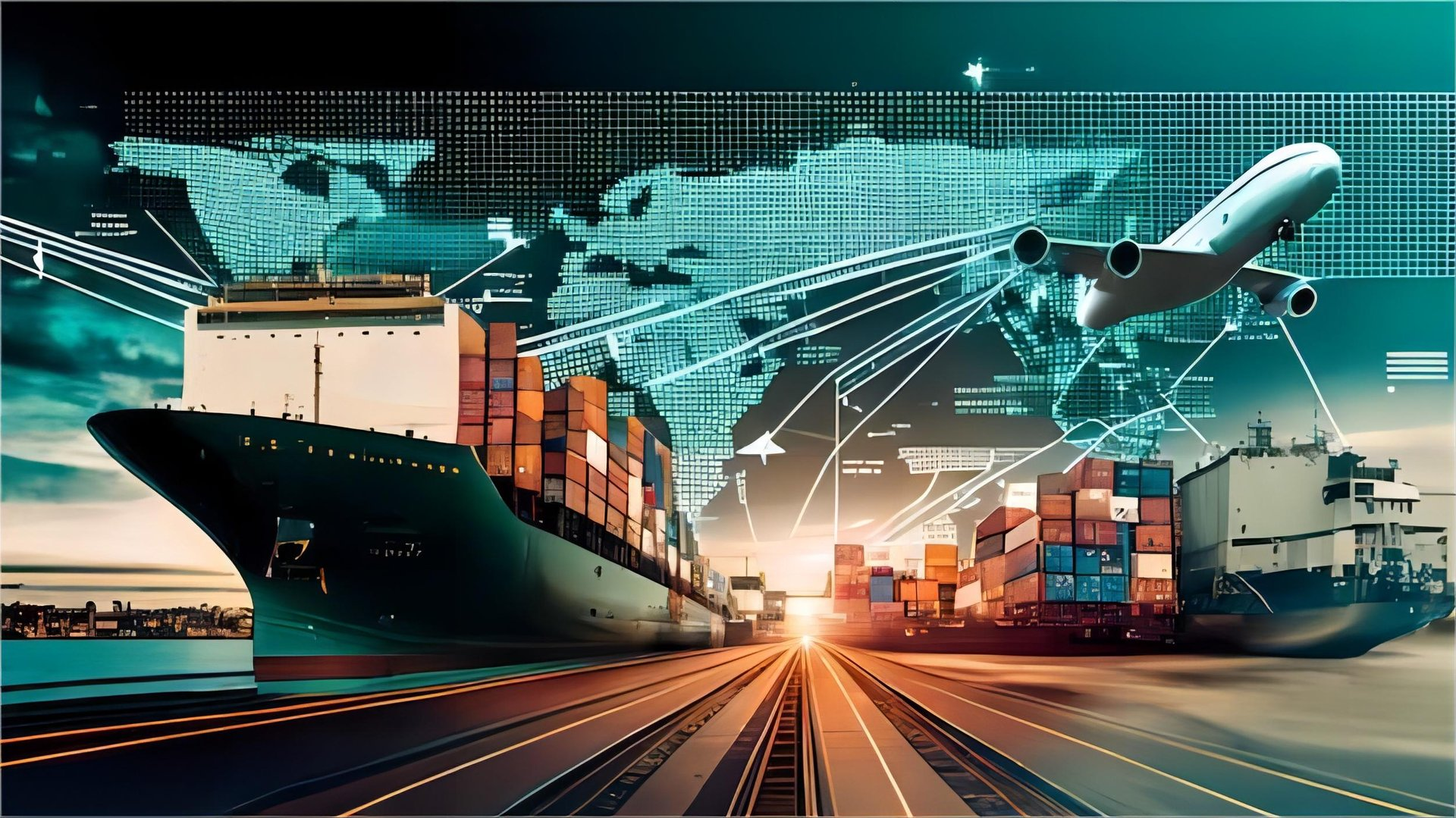
Freight forwarders act as intermediaries between shippers and various transportation services, including ocean freight, air cargo, and trucking. Consequently, they handle the intricate details of documentation, insurance, and tracking that would otherwise overwhelm an individual business owner. Specifically, a dedicated forwarder organizes the entire journey from a factory in Shenzhen or Ningbo to a warehouse in Los Angeles or New York.
Moreover, these professionals leverage their relationships with major carriers like COSCO or Maersk to secure competitive freight rates that small businesses cannot access independently. They manage the bill of lading, commercial invoices, and packing lists required for legal transit. Indeed, having an expert manage these details prevents costly delays at the port of loading.
Additionally, a logistics partner provides critical advice on the best shipping methods based on current market trends and seasonal fluctuations. In 2026, staying ahead of port congestion and fuel surcharges is vital for maintaining a healthy profit margin. Therefore, selecting the right partner is the most important decision for your import business.
Why You Need a China Export Logistics Freight Forwarder USA in 2026
Global trade environments have become increasingly complex due to evolving regulations and shifting economic alliances. Furthermore, the 2026 logistics landscape requires real-time data integration and advanced tracking capabilities that only a professional forwarder can provide. Without this expertise, your cargo might sit idle at a transshipment hub for weeks.
Efficiency remains the primary goal for any company shipping from China to North America. Using a local expert ensures that your cargo complies with both Chinese export laws and United States Customs and Border Protection requirements. Consequently, this dual-sided knowledge minimizes the risk of audits and heavy fines.
Market volatility in 2026 also means that shipping costs can change overnight. A reliable forwarder monitors these changes and offers flexible solutions, such as switching from sea to air when deadlines are tight. Ultimately, their role is to provide peace of mind in an unpredictable global market.
How Does Sea Freight Compare to Other Shipping Options?
Sea freight remains the most economical choice for transporting large volumes of goods over long distances. While it is significantly slower than air transport, the cost-per-unit savings are often too large to ignore for bulk commodities. In contrast, air freight is reserved for high-value or time-sensitive items that must arrive within a few days.
Specifically, businesses must choose between Full Container Load (FCL) and Less than Container Load (LCL) based on their total volume. FCL offers better security and faster handling since the container is dedicated to one shipper. Meanwhile, LCL allows smaller businesses to share space, making international trade accessible to startups.
Below is a detailed comparison of the primary shipping methods available for the China-USA route in 2026.
| Shipping Method | Cost Range | Transit Time | Best For |
|---|---|---|---|
| Sea Freight (FCL) | $2,500 – $5,500 | 18 – 35 Days | Bulk Goods |
| Air Freight | $5.50 – $9.00/kg | 3 – 7 Days | High Value |
| Express Courier | $8.00 – $15.00/kg | 2 – 5 Days | Samples/Small |
| Sea-Air Hybrid | $3,000 – $4,500 | 12 – 18 Days | Mid-Budget |
Navigating Sea Freight Costs and Transit Times
Understanding sea freight dynamics is essential for accurate budgeting and inventory planning. Transit times vary significantly depending on whether you are shipping to the US West Coast or the East Coast. For example, a vessel from Shanghai to Los Angeles typically takes 14 to 18 days, whereas a route to Savannah takes closer to 30 days.
Current market rates as of early 2026 suggest that 40HQ containers are priced between $3,500 and $4,800 depending on the carrier and season. Furthermore, peak season surcharges usually apply from August through October as retailers prepare for the holiday rush. Planning your shipments during the off-peak months can save your business thousands of dollars.
Notably, port congestion in major hubs can add several days to the estimated arrival time. Working with a forwarder who has priority berthing agreements can mitigate these delays. Always request a comprehensive quote that includes all destination charges to avoid hidden fees.
When to Choose Air Freight for Urgent Cargo
High-demand products often require the speed of air freight to meet consumer expectations. Although the costs are higher, the reduction in lead time allows for faster inventory turnover and improved cash flow. This is particularly true for electronics, fashion, and medical supplies where market trends change rapidly.
Moreover, air transport offers a higher level of security and a lower risk of damage compared to ocean transit. Because the cargo spends less time in the supply chain, the insurance premiums are often lower as well. Consequently, the total landed cost might be more competitive than it first appears on paper.
Typical rates for 2026 range from $5 to $10 per kilogram depending on the volume and urgency of the shipment. Indeed, booking at least two weeks in advance can help secure better rates during busy periods. Always verify the chargeable weight of your shipment, as air carriers bill based on either actual weight or volumetric weight.
The Importance of Customs Brokerage and Compliance
Successful importing requires a deep understanding of customs brokerage to ensure all legal requirements are met. Every shipment entering the USA must be cleared by Customs and Border Protection, which involves verifying HS codes and duty rates. If your documentation is incorrect, your goods could be seized or heavily fined.
Furthermore, a professional customs broker will help you navigate the complexities of Section 301 tariffs and other trade barriers. They ensure that you pay the correct amount of duty while identifying potential exemptions or drawbacks. Resultantly, this expertise protects your bottom line and ensures a smooth entry into the domestic market.
Documentation such as the ISF (Importer Security Filing) must be submitted at least 24 hours before the vessel departs China. Failing to meet this deadline results in automatic fines of $5,000. Therefore, your forwarder must be diligent and proactive in managing these critical timelines.

Streamlining Your Amazon FBA Logistics
E-commerce sellers frequently utilize Amazon FBA to reach a global audience with minimal overhead. However, Amazon has strict requirements for how products must be labeled, palletized, and delivered to their fulfillment centers. A specialized forwarder understands these rules and ensures your shipment is never rejected.
Additionally, many logistics providers offer prep services in China to save on US labor costs. This includes kitting, labeling, and quality control inspections before the goods leave the factory. By catching defects early, you avoid the high costs of processing returns in the United States.
In 2026, many sellers are using a ‘trickle-in’ strategy where they ship large volumes by sea to a local warehouse and then move smaller batches to FBA as needed. This approach minimizes Amazon’s high storage fees while maintaining constant stock levels. Consequently, your logistics strategy becomes a competitive advantage.
Case Study 1: Electronics from Shenzhen to Los Angeles
Route: Shenzhen, China to Los Angeles, USA Cargo: Consumer Electronics, 12 CBM, 2,400 kg Container: LCL (Less than Container Load) Shipping Details: – Carrier: Major Ocean Carrier – Port of Loading: Shenzhen – Port of Discharge: Los Angeles – Route Type: Direct Cost Breakdown: – Ocean Freight: $1,450 – Origin Charges: $350 – Destination Charges: $450 – Customs and Duties: $1,200 – Total Landed Cost: $3,450 Timeline: – Booking to Loading: 3 days – Sea Transit: 15 days – Customs Clearance: 2 days – Total Door-to-Door: 20 days Key Insight: Using a direct route to the West Coast saved the client 12 days compared to transshipment options, allowing them to hit a product launch deadline. Based on Q1 2026 market rates.
Case Study 2: Apparel from Ningbo to New York
Route: Ningbo, China to New York, USA Cargo: Organic Cotton Apparel, 68 CBM Container: 40HQ (High Cube) Shipping Details: – Carrier: MSC – Port of Loading: Ningbo – Port of Discharge: New York – Route Type: Via Panama Canal Cost Breakdown: – Ocean Freight: $4,800 – Origin Charges: $400 – Destination Charges: $650 – Customs and Duties: $2,100 – Total Landed Cost: $7,950 Timeline: – Booking to Loading: 5 days – Sea Transit: 32 days – Customs Clearance: 3 days – Total Door-to-Door: 40 days Key Insight: Despite the longer transit time, FCL was 30 percent cheaper per unit than LCL for this volume. Typical rates as of early 2026.
Which Option Should You Choose? Decision Framework
Choosing the right shipping strategy depends on your specific business priorities and cargo characteristics. If your primary concern is the lowest possible cost, sea freight FCL is almost always the winner for large volumes. However, if you are testing a new product with small quantities, LCL or express service might be more appropriate.
Speed is often the deciding factor for seasonal goods or emergency restocks. In these cases, air freight is the only viable solution despite the premium price tag. Additionally, consider the value of your goods; high-value items benefit from the increased security and reduced handling of air transport.
Below is a quick reference guide to help you decide based on your current needs.
| Priority | Recommended Method | Volume Threshold | Cost Impact |
|---|---|---|---|
| Budget | Sea Freight (FCL) | > 15 CBM | Lowest |
| Speed | Air Freight | < 500 kg | Highest |
| Flexibility | LCL Sea Freight | 1 – 10 CBM | Moderate |
| Convenience | Door to Door | Any | Premium |
Final Thoughts on Choosing a China Export Logistics Freight Forwarder USA
Navigating the international shipping lanes requires more than just a boat and a bill of lading. It demands a strategic partnership with a China export logistics freight forwarder USA who can adapt to the shifting tides of global trade. By understanding the differences between sea and air freight, and mastering the requirements of customs clearance, you position your business for long-term success.
Remember that the cheapest quote is not always the best value if it leads to delays or hidden fees. Focus on reliability, transparency, and expertise when selecting your logistics provider. With the right support, your imports from China will become a seamless part of your business operations in 2026 and beyond.
Ready to streamline your logistics?
Streamline your 2026 supply chain today with a professional China export logistics freight forwarder USA. Contact our expert team at DSV-Freight to receive a customized quote and ensure your cargo arrives on time and under budget. Send Inquiry
Request Quote