

China Freight Forwarding Warehouse Storage: 2026 Logistics Strategy Guide
Managing a complex global supply chain requires a robust strategy for china freight forwarding warehouse storage to ensure seamless product flow. Alibabafreight.com provides integrated solutions that bridge the gap between manufacturing and final delivery. Consequently, businesses can significantly reduce overhead while improving delivery speeds to international markets.
What Is China Freight Forwarding Warehouse Storage?
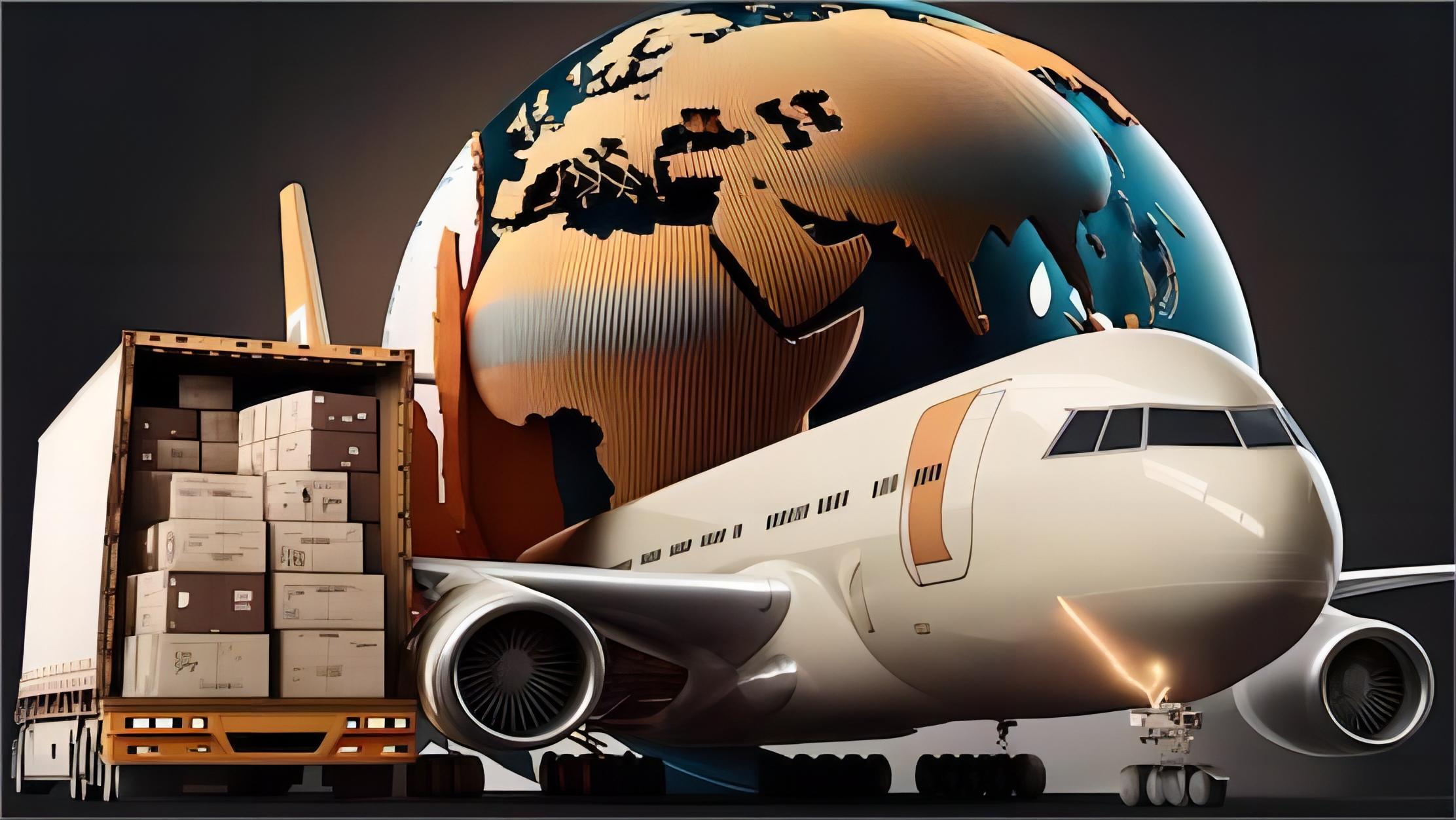
Effective logistics management begins with understanding how storage facilities function within the broader export ecosystem. China freight forwarding warehouse storage refers to the specialized facilities where goods are kept, sorted, and processed before being shipped internationally.

Moreover, these hubs act as critical consolidation points for multiple suppliers, allowing importers to combine various orders into a single shipment. This process reduces total shipping costs and simplifies the documentation required for customs clearance.
Specifically, modern warehouses in 2026 utilize advanced inventory management systems to track cargo in real-time. Shippers can monitor their stock levels and movement through digital dashboards, ensuring full transparency throughout the supply chain.
How Does China Freight Forwarding Warehouse Storage Compare to Other Shipping Options?
Choosing the right logistics model depends on your specific budget, volume, and urgency requirements. While direct factory-to-door shipping is possible, utilizing a centralized warehouse often provides superior flexibility for growing brands.
In addition, consolidated shipping allows for a mix of transportation modes that can be tailored to market fluctuations. For instance, high-value electronics might require different handling compared to bulk textiles.
As a result, many businesses now prefer hybrid models that combine short-term storage with rapid distribution strategies. This approach balances the need for speed with the necessity of cost control in a competitive global market.
| Sea Freight (FCL) | Moderate | 14-35 Days | Large volumes | Port congestion |
| Air Freight | High | 3-7 Days | Urgent cargo | Weight limits |
| Rail Freight | Medium | 18-25 Days | Landlocked Europe | Route fixed |
| Warehouse Consolidation | Low-Medium | Varies | Multiple suppliers | Handling time |
The Strategic Benefits of Using a China-Based Warehouse
Traditionally, companies waited for products to arrive in their home country before performing quality checks. By using china freight forwarding warehouse storage, you can conduct inspections at the source, preventing defective goods from ever leaving the country.
Furthermore, utilizing sea freight in conjunction with local storage allows for bulk inventory accumulation. This strategy helps businesses hedge against seasonal price spikes and carrier capacity shortages during peak months.
Additionally, bonded warehouses offer a unique advantage by allowing you to store goods without paying import duties immediately. This benefit improves cash flow significantly, as taxes are only settled once the products are officially cleared for the destination market.
Which Option Should You Choose? A Decision Framework
Determining the best logistics path requires a clear assessment of your current business priorities and cargo characteristics. If your primary goal is budget optimization, ocean transport combined with long-term storage is usually the most effective choice.
Conversely, if you are managing time-sensitive launches, air freight from a nearby logistics hub ensures your products reach shelves within days. High-value items often justify the increased expense of rapid transit to minimize capital tied up in inventory.
Consider the following criteria for your 2026 planning:
1. Budget priority: Recommend consolidated sea freight with 30-day storage windows.
2. Speed priority: Recommend direct air express or sea-air hybrid solutions.
3. Cargo type: Fragile or perishable items require specialized climate-controlled warehousing.
4. Volume thresholds: Shipments exceeding 15 CBM should transition from LCL to FCL for better rates.
Case Study 1: Electronics Distribution to North America
Route: Shenzhen, China to Los Angeles, USA
Cargo: Consumer Electronics, 22 CBM, 4500 kg
Container: 20GP Full Container Load
Shipping Details:
– Carrier: Major trans-Pacific carrier
– Port of Loading: Shenzhen (Yantian)
– Port of Discharge: Los Angeles
– Route Type: Direct
Cost Breakdown (Early 2026 Rates):
– Ocean Freight: $2,100
– Origin Charges: $450
– Destination Charges: $600
– Customs & Duties: $1,200 (estimated)
– Total Landed Cost: $4,350
Timeline:
– Booking to Loading: 3 days
– Sea Transit: 16 days
– Customs Clearance: 2 days
– Total Door-to-Door: 21 days
Key Insight: Using a Shenzhen warehouse allowed for final labeling and firmware updates before the 20GP was sealed, saving significant labor costs compared to US-based processing.
Case Study 2: Apparel Fulfillment for European Markets
Route: Ningbo, China to Hamburg, Germany
Cargo: Seasonal Apparel, 12 CBM, 2800 kg
Container: LCL (Less than Container Load)
Shipping Details:
– Carrier: COSCO Shipping
– Port of Loading: Ningbo-Zhoushan
– Port of Discharge: Hamburg
– Route Type: Direct via Suez Canal
Cost Breakdown (Early 2026 Rates):
– Ocean Freight: $1,150
– Origin Charges: $320
– Destination Charges: $480
– Customs & Duties: $950 (estimated)
– Total Landed Cost: $2,900
Timeline:
– Booking to Loading: 5 days
– Sea Transit: 32 days
– Customs Clearance: 3 days
– Total Door-to-Door: 40 days
Key Insight: Consolidating items from four different textile factories into one Ningbo warehouse reduced documentation fees by 60% and ensured all items arrived as a single shipment.

Optimizing Amazon FBA Inventory with China Storage
Sellers frequently struggle with high storage fees and strict inventory limits at destination fulfillment centers. By utilizing Amazon FBA prep services in China, you can store bulk stock locally and drip-feed it into the Amazon network as needed.
Indeed, this method prevents overstocking penalties and ensures you never run out of popular items during high-demand periods. Third-party logistics providers in China can handle palletization, labeling, and poly-bagging to meet strict platform requirements.
Note: Freight rates are subject to change based on fuel costs, carrier capacity, and seasonal demand. Contact us for a current quote tailored to your specific shipment.
Navigating Customs Brokerage and Export Documentation
Compliance remains one of the most challenging aspects of international trade for many importers. Professional customs brokerage services ensure that all export licenses, commercial invoices, and packing lists are perfectly aligned with current regulations.
Consequently, having your warehouse team double-check HS codes and cargo descriptions before departure significantly reduces the risk of port delays. In 2026, digital customs filings have become the standard, requiring precise data entry to avoid automated red flags.
Similarly, ensuring that your freight forwarder provides comprehensive insurance coverage is essential for protecting your investment. Cargo handling involves multiple touchpoints, and a robust insurance policy offers peace of mind against unforeseen transit issues.
Cost-Saving Strategies for China Freight Forwarding
Reducing your total landed cost requires a combination of smart routing and efficient cargo handling. One effective method is to utilize door to door services that include all-in pricing, eliminating hidden fees that often arise at destination ports.
Moreover, shifting from air to sea-air hybrid models can save up to 40% on shipping costs while only adding a few days to the total transit time. This approach is particularly useful for mid-value goods that require a balance of speed and economy.
Finally, always request quotes during the off-peak season (typically March to May) to lock in lower contract rates. Avoiding the pre-Chinese New Year rush can save businesses thousands of dollars in emergency surcharges and premium booking fees.
The Future of Warehousing and Freight in China
Summarizing the current landscape, it is clear that china freight forwarding warehouse storage is no longer just about holding goods; it is about strategic supply chain positioning. By leveraging local hubs for consolidation, quality control, and FBA prep, businesses can achieve a level of efficiency that was previously impossible.
As we move through 2026, the integration of technology and physical infrastructure will continue to drive down costs and improve reliability. Choosing a partner that understands these trends is the key to long-term success in the global marketplace.

Ready to streamline your logistics?
Streamline your global supply chain today with our expert china freight forwarding warehouse storage solutions. Visit alibabafreight.com to request a personalized quote and discover how we can optimize your shipping costs for 2026. Send Inquiry: Visit alibabafreight.com
Request Quote