
Amazon FBA Shipping from China to USA: 2026 Logistics Guide
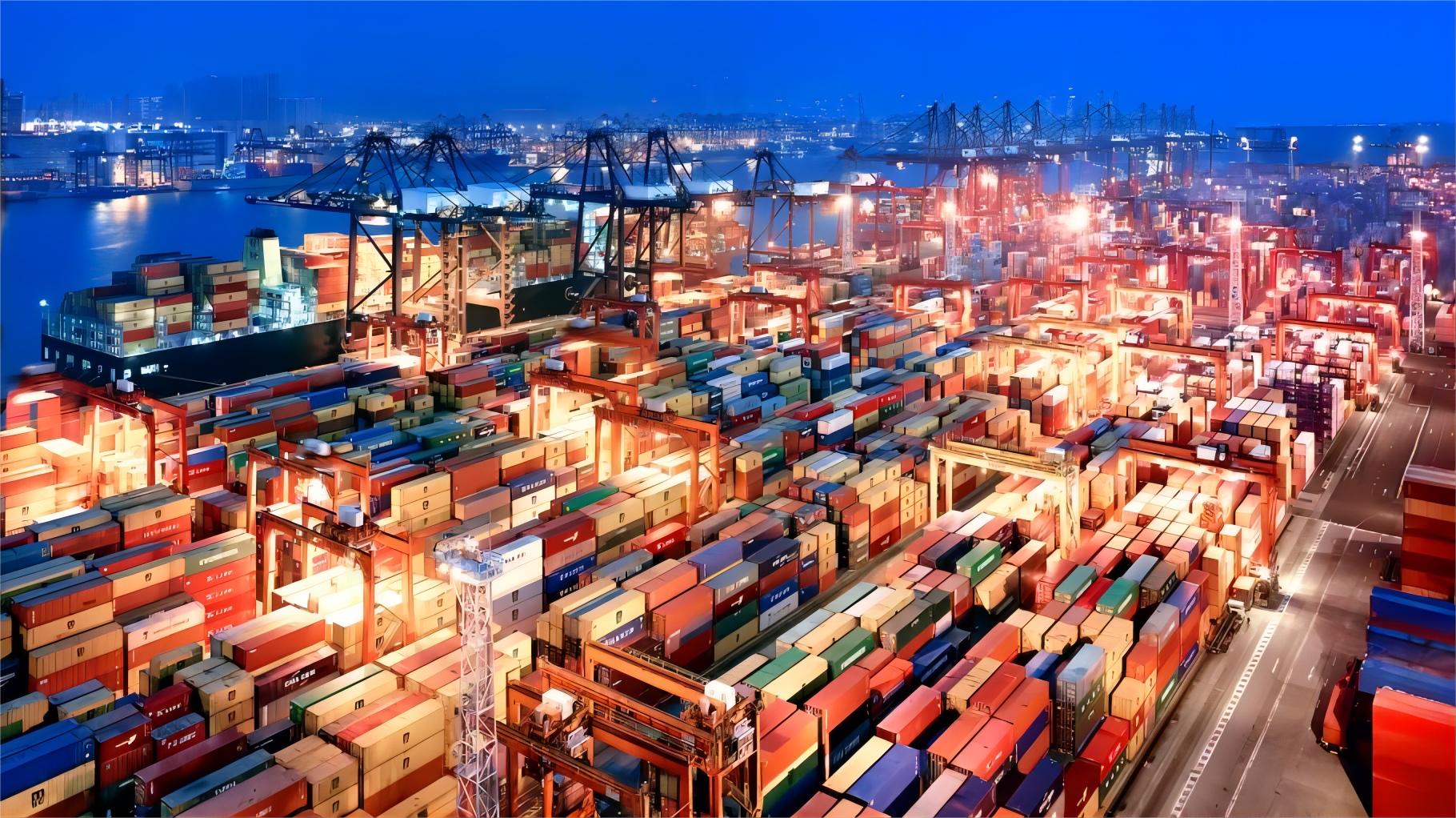
Successfully managing amazon fba shipping from china to usa is a fundamental pillar for any thriving e-commerce business in today’s competitive landscape. At DSV-Freight, we understand that navigating international logistics requires precision, reliability, and deep industry knowledge. This comprehensive guide will illuminate the most efficient pathways to move your inventory across the Pacific while maximizing your profit margins.

What is the Best Method for Amazon FBA Shipping from China to USA in 2026?
Determining the ideal transportation mode depends heavily on your specific business goals, budget constraints, and inventory turnover rates. For most sellers, the choice boils down to a balance between speed and cost-effectiveness. Consequently, understanding the nuances of Amazon FBA logistics is essential for maintaining a healthy supply chain.
Air freight offers unparalleled speed for high-value or seasonal products that need to reach the market quickly. However, this convenience comes at a premium price point that can erode margins on lower-cost items. On the other hand, sea freight remains the backbone of global trade for bulk inventory due to its significantly lower unit costs.
Moreover, the current market in early 2026 shows a trend toward hybrid solutions that combine different modes of transport. These strategies allow sellers to maintain stock levels without overspending on expedited services. Therefore, analyzing your product dimensions and demand forecasts is the first step in selecting your shipping strategy.
Additionally, you must consider the final destination within the United States, as port congestion can vary between the West Coast and East Coast. Choosing a logistics partner who understands these regional dynamics will help you avoid unexpected delays. Indeed, proactive planning is the most effective way to manage your international shipping requirements.
The Rise of Specialized FBA Logistics
Specialized freight forwarders now offer tailored services that cater specifically to the strict requirements of Amazon fulfillment centers. These services include labeling, palletizing, and direct delivery to designated warehouses. Furthermore, using a specialist ensures that your cargo complies with all Amazon packaging standards before it even leaves China.
How Does Sea Freight Compare to Other Shipping Options?
When evaluating sea freight against air or express options, the primary trade-off is always time versus money. Sea transport is objectively the most economical method for shipping large volumes of goods over long distances. Nevertheless, the extended transit times require sellers to plan their inventory cycles months in advance.
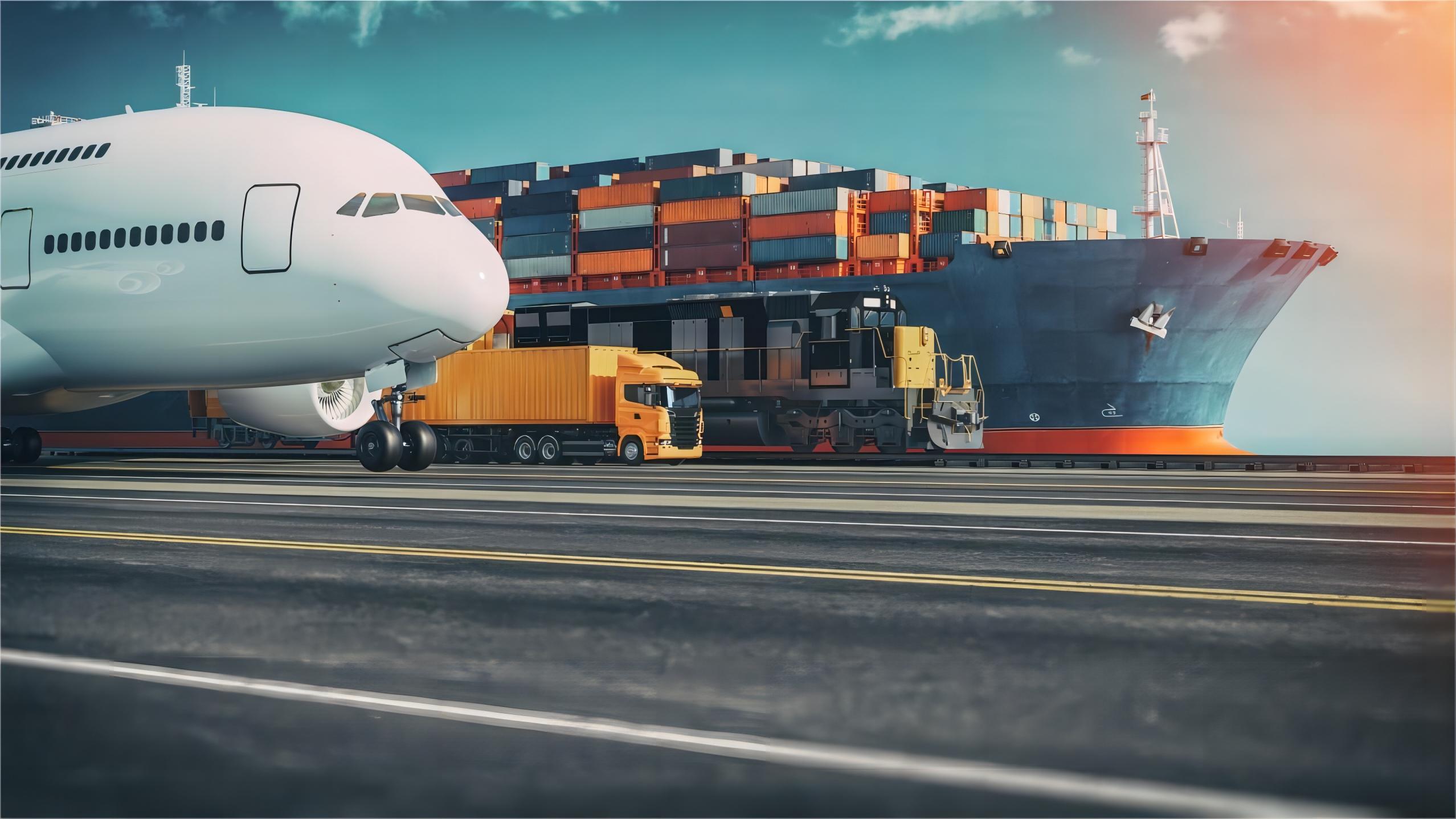
Specifically, ocean transport is ideal for heavy or bulky items that would be prohibitively expensive to send by air. In contrast, air express services are best reserved for small parcels, samples, or emergency restocks. To help you visualize these differences, we have provided a detailed comparison of the primary shipping modes below.
In addition to cost and speed, you should also consider the environmental impact and reliability of each method. While sea freight has a lower carbon footprint per ton-mile, it is more susceptible to weather-related disruptions. Meanwhile, air transport offers more frequent departures and higher reliability for time-sensitive launches.
| Shipping Method | Cost Range | Transit Time | Best For |
|---|---|---|---|
| Air Express | $6.50 – $9.50 / kg | 3 – 6 Days | Samples & Small Batches |
| Air Freight | $4.00 – $6.50 / kg | 8 – 14 Days | High-Value Inventory |
| Sea Freight LCL | $160 – $280 / CBM | 25 – 40 Days | Medium Shipments |
| Sea Freight FCL | $3,200 – $5,500 / 40HQ | 20 – 35 Days | Large Bulk Orders |
Choosing Between FCL and LCL for Your Amazon Inventory
Full Container Load (FCL) and Less than Container Load (LCL) are the two primary categories within ocean logistics. If you have enough inventory to fill a 20-foot or 40-foot container, FCL is generally the faster and more secure option. Because the container is dedicated to your goods, there is less handling and a lower risk of damage during transit.
Conversely, LCL allows you to share container space with other shippers, which is perfect for smaller volumes that do not justify a full container. Although LCL is cost-effective for smaller loads, it often involves longer transit times due to the consolidation and deconsolidation processes at the ports. For many growing brands, LCL serves as a vital stepping stone before scaling to full containers.
Furthermore, FCL rates are often more stable than LCL rates, which can fluctuate based on the volume of consolidated cargo. As a result, many sellers aim to optimize their order sizes to reach the FCL threshold. This approach not only saves money but also simplifies the tracking and customs clearance process for your amazon fba shipping from china to usa.
Volume Thresholds for Switching Methods
Generally, if your shipment exceeds 15 cubic meters (CBM), switching from LCL to a 20GP container becomes financially advantageous. For even larger shipments, a 40HQ container offers the best value per cubic meter of space. Always calculate your landed cost per unit to determine which volume strategy supports your pricing model.
Understanding Air Freight and Express Services
For sellers who prioritize speed above all else, air freight is the most logical choice. This method significantly reduces the time your capital is tied up in inventory that is sitting on the water. In the fast-paced world of Amazon sales, being first to market with a trending product can often justify the higher shipping costs.
Express services, such as those provided by DHL or FedEx, offer the fastest transit times and include door-to-door delivery. These services are particularly useful for initial product launches where you need to test the market with a small batch of inventory. Additionally, express shipping usually simplifies the customs process for shipments below a certain value threshold.
However, you must be mindful of ‘chargeable weight’ calculations, which consider both the actual weight and the dimensions of your boxes. To minimize costs, ensure your packaging is as compact as possible without compromising product safety. Ultimately, air services provide the flexibility needed to respond to sudden spikes in customer demand.
Navigating Customs and Compliance for US Imports
Clearing customs is often the most daunting part of the shipping process for many Amazon sellers. Without proper documentation, your goods could face lengthy delays or even seizure by US Customs and Border Protection. Consequently, partnering with a professional customs brokerage is a wise investment to ensure full compliance with federal regulations.
Key documents include the Commercial Invoice, Packing List, and Bill of Lading, all of which must be accurately completed. Furthermore, you must determine the correct HTS codes for your products to calculate the appropriate import duties. Incorrect classification can lead to heavy fines and audits that disrupt your entire business operation.
In 2026, customs authorities have increased their scrutiny of e-commerce shipments, making accuracy more important than ever. Therefore, you should verify that your supplier in China provides all necessary certifications for your specific product category. For example, electronics and toys often require additional safety documentation to enter the US market.
| Document Name | Purpose | Required By | Timeline |
|---|---|---|---|
| Commercial Invoice | Value & Description | Customs | At Departure |
| Packing List | Weight & Dimensions | Carrier | At Departure |
| Bill of Lading | Title of Goods | Customs/Carrier | At Loading |
| ISF (10+2) | Security Filing | US Customs | 24hrs Before Loading |
The Benefits of Door to Door Logistics Solutions
A door to door service model removes the logistical burden from the seller by managing every step of the journey. This includes picking up the goods from the factory in China and delivering them directly to the Amazon warehouse in the USA. By using a single provider for the entire route, you reduce the risk of communication breakdowns between different carriers.
Moreover, these comprehensive services often include DDP (Delivered Duty Paid) terms, where the shipping cost covers all duties and taxes. This allows you to know your exact landed cost upfront, which is crucial for accurate profit forecasting. Indeed, many successful sellers prefer this ‘hands-off’ approach so they can focus on marketing and brand growth.
Additionally, door-to-door providers usually offer integrated tracking systems that give you real-time visibility into your shipment’s progress. Knowing exactly where your inventory is located helps you manage customer expectations and plan your marketing campaigns more effectively. To summarize, this all-in-one solution provides the peace of mind necessary for scaling an international e-commerce business.
Case Studies: Real-World Amazon FBA Shipping Scenarios
To provide a clearer picture of the current market, let us examine two typical shipments from early 2026. These examples highlight the costs and timelines associated with different shipping methods for amazon fba shipping from china to usa. Please note that these figures are based on Q1 2026 market averages and may vary based on specific cargo requirements.
Case Study 1: Electronics restock from Shenzhen to Los Angeles. Route: Shenzhen -> Port of LA. Cargo: Consumer electronics, 8 CBM LCL. Shipping Method: Sea Freight (Matson). Ocean Freight: $1,450. Origin Charges: $250. Destination Charges: $400. Customs & Duties: $1,100. Total Landed Cost: $3,200. Timeline: 22 days door-to-door. Key Insight: Using a premium sea service like Matson provided air-freight-like reliability at a fraction of the cost.
Case Study 2: Seasonal apparel from Ningbo to New York. Route: Ningbo -> JFK Airport. Cargo: Clothing, 450kg. Shipping Method: Air Freight. Air Freight Cost: $2,475. Origin/Destination Fees: $350. Customs & Duties: $600. Total Landed Cost: $3,425. Timeline: 10 days door-to-door. Key Insight: High demand for seasonal items justified the higher air freight cost to avoid out-of-stock scenarios during a peak sales window.
Note: Freight rates are subject to change based on fuel costs, carrier capacity, and seasonal demand. Contact us for a current quote tailored to your specific shipment.

Which Option Should You Choose for Your FBA Business?
Choosing the right path requires a deep dive into your business metrics and current market conditions. If your primary goal is to minimize costs and you have a stable demand forecast, sea freight is undoubtedly your best option. However, if you are launching a new product or dealing with low stock levels, the speed of air freight becomes a necessary investment.
Furthermore, consider the physical characteristics of your products. Small, lightweight items with high profit margins are excellent candidates for air transport. In contrast, heavy or oversized goods should almost always be shipped via ocean to maintain profitability. By aligning your shipping method with your product type, you ensure long-term sustainability.
Finally, always account for the ‘hidden’ costs of shipping, such as insurance, storage fees, and potential customs inspections. A cheap quote that lacks comprehensive service can often end up being more expensive in the long run due to unexpected surcharges. Therefore, prioritize transparency and reliability when selecting your freight forwarding partner for amazon fba shipping from china to usa.
Mastering Your FBA Supply Chain
In conclusion, mastering amazon fba shipping from china to usa is a continuous process of optimization and adaptation. By understanding the differences between sea and air freight, and leveraging the expertise of professional forwarders, you can build a resilient supply chain. Remember that the cheapest option is not always the best; reliability and compliance are equally important for long-term success.
As market conditions evolve in 2026, staying informed about logistics trends and customs regulations will remain a key competitive advantage. We encourage you to use the strategies outlined in this guide to make data-driven decisions for your inventory. With the right logistics partner, your Amazon business can navigate the complexities of international trade with confidence and ease.
Need a tailored shipping solution?
Are you ready to streamline your amazon fba shipping from china to usa and scale your business to new heights? Contact our expert team today to receive a customized logistics plan and a competitive quote tailored to your specific needs. Visit our inquiry page to get started: Send Inquiry
Frequently Asked Questions
How long does amazon fba shipping from china to usa take?
Transit times vary by method. Air express takes 3-6 days, air freight takes 8-14 days, and sea freight typically ranges from 20-40 days depending on the US port destination.
What is the cheapest way to ship to Amazon FBA from China?
Sea freight, specifically Full Container Load (FCL), offers the lowest cost per unit for large volumes. For smaller shipments, Less than Container Load (LCL) is the most economical choice.
Does Amazon handle customs clearance for shipments from China?
No, Amazon does not act as the Importer of Record. Sellers are responsible for arranging customs clearance and ensuring all duties and taxes are paid before the goods reach the FBA warehouse.
What are the common documents needed for FBA shipping?
Essential documents include the Commercial Invoice, Packing List, Bill of Lading, and the ISF filing for ocean shipments. Proper HTS codes are also required for duty calculation.
Can I ship directly from my Chinese supplier to Amazon FBA?
Yes, this is a common practice. However, you must ensure the goods are properly labeled and palletized according to Amazon’s strict requirements before delivery.
What is DDP shipping for Amazon sellers?
Delivered Duty Paid (DDP) is an incoterm where the seller or forwarder handles all transportation, customs, and duties. It provides a simple, all-in-one price for the buyer.
How are shipping costs calculated in 2026?
Costs are based on weight, volume (CBM), fuel surcharges, and seasonal demand. Air freight uses the higher of actual or volumetric weight, while sea freight is mostly volume-based.