
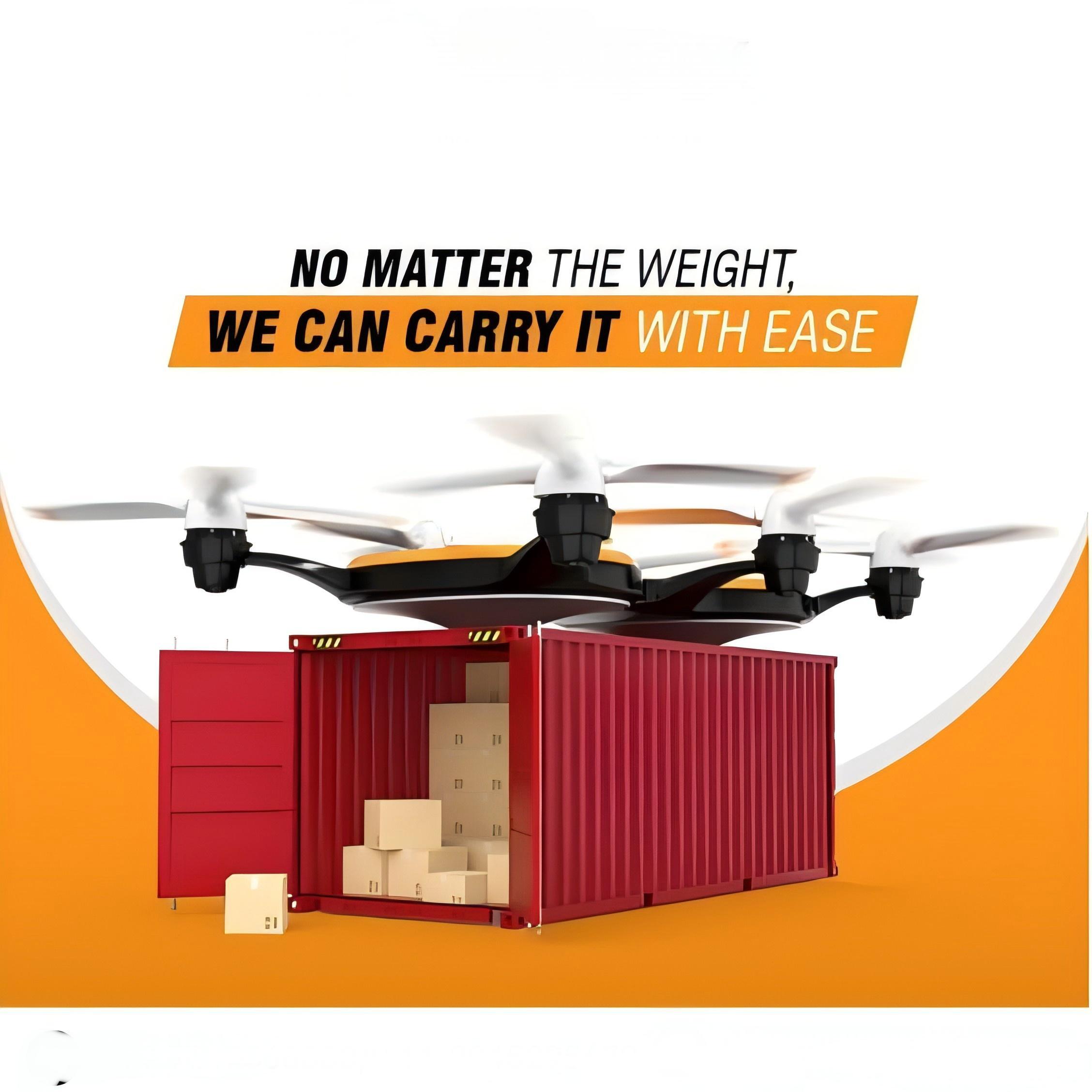
China DDP Shipping to Germany: 2026 Guide to Duty Paid Delivery
Navigating international logistics requires a clear understanding of Incoterms to ensure your business remains profitable and efficient. If you are looking for a hassle-free way to import goods, choosing china ddp shipping to germany is the most effective strategy for modern importers. This comprehensive guide explores how Delivered Duty Paid services simplify the supply chain by handling everything from origin to your doorstep.
What is China DDP Shipping to Germany?
Delivered Duty Paid (DDP) is a shipping arrangement where the seller assumes all responsibility for transporting goods. This includes paying for shipping costs, export duties, import taxes, and insurance during the journey.
Consequently, the buyer only needs to receive the goods at the final destination without worrying about hidden fees. This model is particularly popular for businesses importing from China because it provides price certainty from the start.
Moreover, the seller manages the entire customs clearance process in both the origin and destination countries. This eliminates the need for the buyer to interact with German customs officials or hire separate brokers.
Therefore, china ddp shipping to germany has become the preferred choice for many small to medium enterprises. It allows them to focus on sales and marketing while the logistics provider handles the complex paperwork.
How Does China DDP Shipping to Germany Compare to Other Shipping Options?
When planning your logistics, you must evaluate the trade-offs between speed, cost, and administrative effort. While DDP offers the most convenience, other terms like DAP (Delivered at Place) or EXW (Ex Works) might offer lower initial quotes.
However, those lower quotes often exclude import VAT and customs duties, which can surprise unprepared importers. In contrast, DDP includes every single expense in the initial price quoted by your freight forwarder.
The following table provides an objective analysis of the primary shipping methods available for this route in 2026. This data helps you decide which method aligns best with your current business priorities.
| Shipping Method | Cost Range | Transit Time | Best For |
|---|---|---|---|
| Sea Freight (FCL) | $3,200 – $4,500 | 30-40 Days | Bulk inventory |
| Air Freight | $6 – $12 per kg | 5-8 Days | High-value goods |
| Rail Freight | $1.5 – $3 per kg | 18-24 Days | Mid-sized cargo |
| Express DDP | $9 – $15 per kg | 3-5 Days | Urgent samples |
Exploring Sea Freight Options for Large Shipments
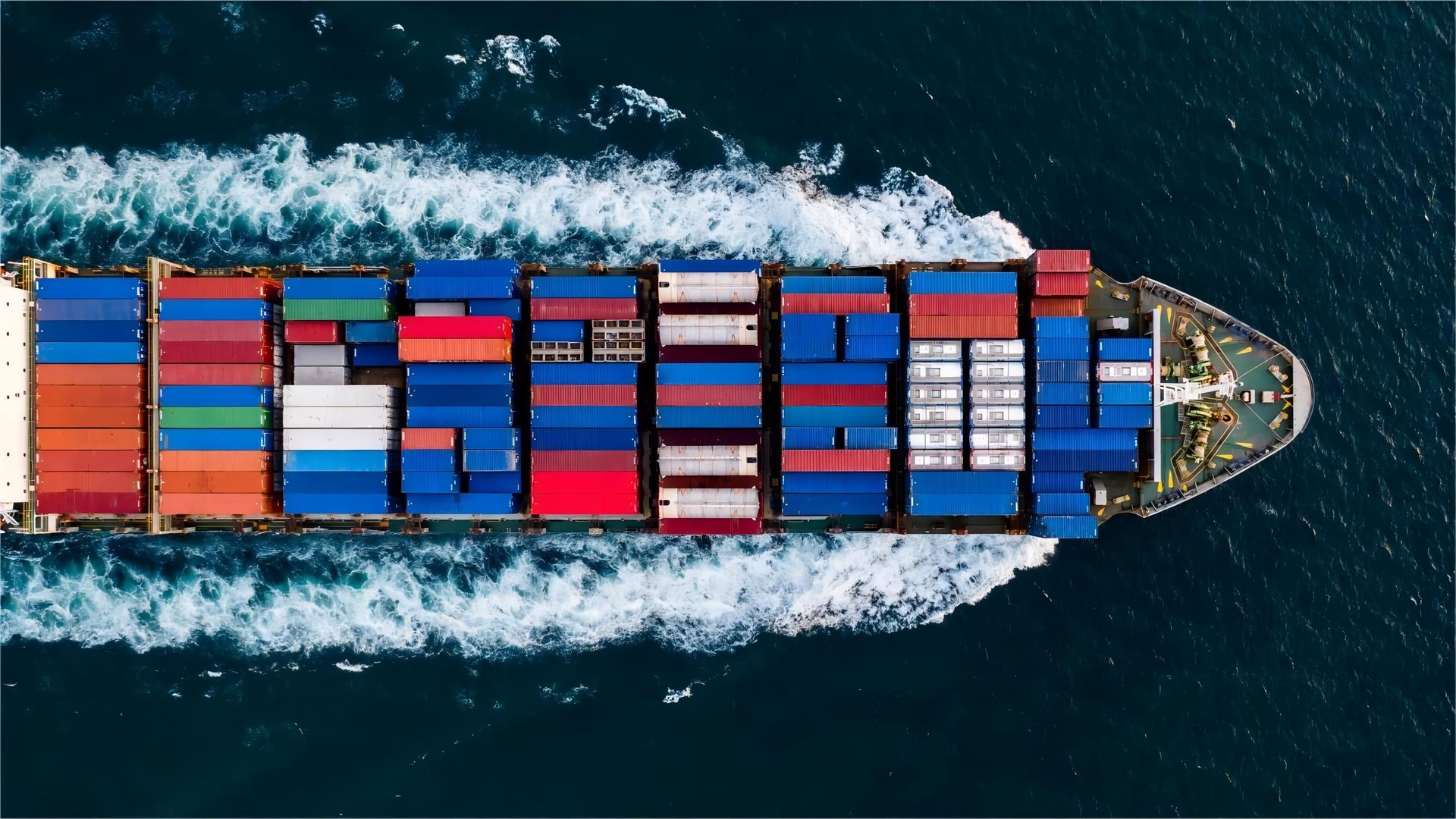
For companies moving large volumes of inventory, sea freight remains the most economical solution. You can choose between Full Container Load (FCL) or Less than Container Load (LCL) depending on your volume.
Additionally, sea freight provides the stability needed for heavy machinery or large consumer electronics orders. Most shipments arrive at major German ports like Hamburg or Bremerhaven before being trucked to their final destination.
Nevertheless, transit times are significantly longer compared to other modes of transport. You should plan your inventory cycles at least two months in advance to account for potential ocean delays or port congestion.
Market data suggests that ocean freight rates have stabilized in early 2026 after previous disruptions. Currently, a 40HQ container from Shenzhen to Hamburg typically costs between $3,500 and $4,800 depending on the carrier.
The Speed Advantage of Air Freight DDP
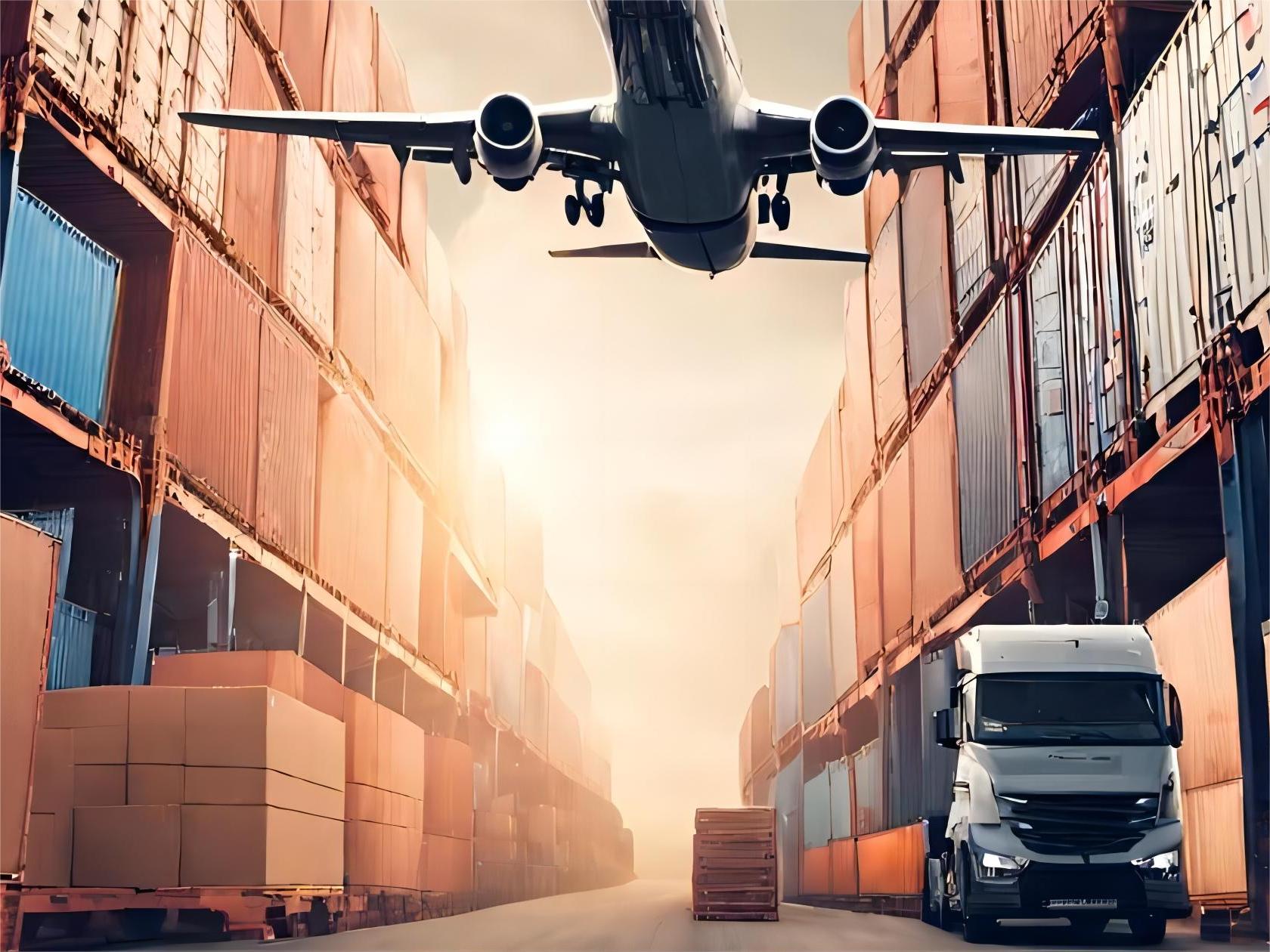
When time is of the essence, air freight offers the fastest transit times for your cargo. This method is ideal for seasonal products, fashion items, or high-tech components that lose value quickly.
Furthermore, air transport provides a higher level of security and less handling of the goods. This reduces the risk of damage during the long journey from Chinese manufacturing hubs to German warehouses.
Indeed, the cost per kilogram is much higher than sea or rail transport. However, the reduction in inventory holding costs and the ability to restock quickly often justify the premium price for many businesses.
Typical air cargo rates in Q2 2026 range from $7 to $11 per kilogram for DDP services. These rates include the German import VAT, which is currently 19 percent for most standard commercial goods.
Rail Freight: The Middle Ground Solution
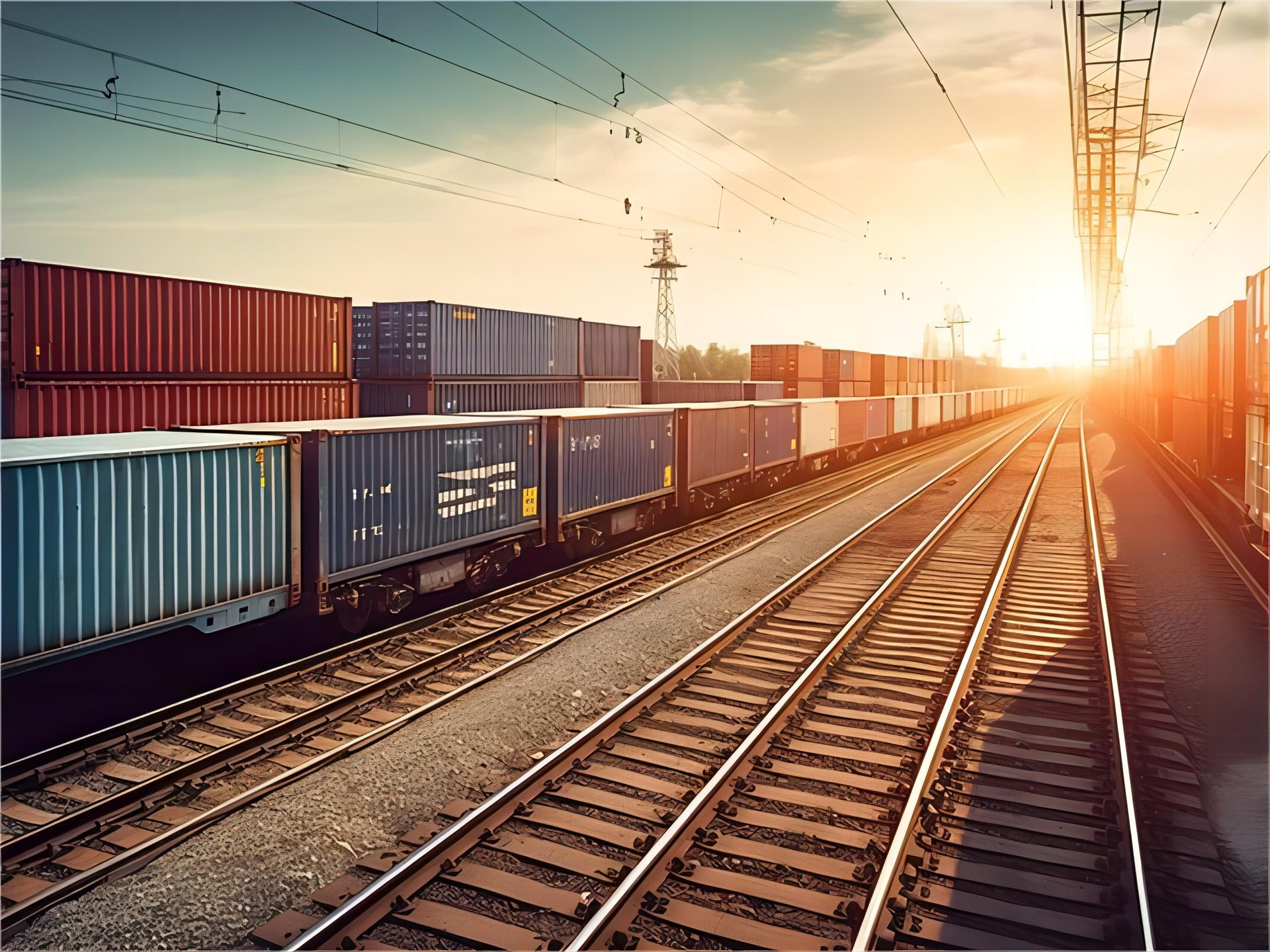
If you need a balance between cost and speed, rail freight is an excellent alternative. The Iron Silk Road connects major Chinese cities directly to German hubs like Duisburg and Munich.
Rail transport is roughly twice as fast as sea freight while being significantly cheaper than air transport. As a result, it has become a favorite for automotive parts and industrial equipment manufacturers.
Additionally, rail shipping is more environmentally friendly than air freight, helping companies meet their sustainability goals. The infrastructure for rail transport from China to Europe has seen massive investment throughout 2025 and 2026.
Transit times for rail DDP shipments usually fall between 18 and 22 days. This makes it a reliable choice for businesses that need consistent delivery schedules without the high cost of flying goods.
Optimizing Your Amazon FBA Logistics
Many e-commerce sellers utilize amazon fba services to reach the massive German consumer market. Using a DDP shipping model is crucial for FBA because Amazon will not act as the Importer of Record.
Consequently, your freight forwarder must handle all customs duties and taxes before the goods reach the Amazon fulfillment center. Failure to do so will result in the shipment being rejected and returned to the origin at your expense.
In addition, specialized FBA forwarders provide labeling and palletizing services that meet Amazon strict requirements. This ensures a smooth check-in process once your goods arrive at the warehouse in Germany.
Without a doubt, utilizing a professional DDP service for FBA saves sellers from the administrative nightmare of international tax compliance. It ensures your products are available for Prime customers without any logistical hiccups.
Understanding Customs Clearance and Documentation
Effective customs brokerage is the backbone of any successful DDP shipment. Even though the seller pays the duties, the paperwork must be flawless to avoid delays at the German border.
For instance, you must provide a detailed commercial invoice, a packing list, and a bill of lading or airway bill. Some products might also require specific certifications like CE marking for electronics or REACH compliance for chemicals.
Moreover, German customs are known for their strict adherence to regulations and precise documentation requirements. Working with an experienced forwarder ensures that your HS codes are classified correctly to avoid overpaying or facing penalties.
Industry benchmarks indicate that most customs delays are caused by inaccurate descriptions of goods. Therefore, verifying all product details before the shipment leaves China is a vital step in the logistics process.
Which Option Should You Choose for Your Business?
Budget Priority
If your primary goal is to minimize costs, sea freight LCL or FCL is the recommended option. This is best for goods with high volume and low profit margins where speed is not critical.
Speed Priority
For urgent restocks or time-sensitive launches, air freight or express DDP is the only viable choice. This ensures your products reach the market in less than a week.
Hybrid Strategies
Consider using rail freight for your regular inventory and air freight for emergency top-offs. This balanced approach optimizes your supply chain costs while maintaining high service levels for your customers.
Realistic Case Studies for 2026
Understanding how other businesses navigate the route can provide valuable insights for your own strategy. These cases reflect actual market conditions and pricing observed in early 2026.
Case Study 1: Electronics from Shenzhen to Berlin. A consumer electronics brand shipped 5 CBM of smart home devices via Air Freight DDP. The total landed cost was $8,200, and the transit time from the factory to the Berlin warehouse was exactly 7 days.
Case Study 2: Home Textiles from Ningbo to Munich. A retailer imported a 20GP container of organic cotton bedding using Sea Freight DDP. The ocean freight cost $2,400, with total landed costs reaching $4,100 after duties. The shipment took 34 days door-to-door.
Case Study 3: Industrial Parts from Xi’an to Hamburg. A manufacturing firm used Rail Freight DDP for 1200kg of precision components. The total cost was $3,800, and the cargo arrived in 20 days, allowing the factory to maintain its production schedule without the expense of air freight.
Final Thoughts on Importing to Germany
To summarize, china ddp shipping to germany offers an unparalleled level of convenience and financial predictability for importers. By outsourcing the complexities of customs and international transport, you can focus on expanding your market presence in Europe.
Whether you choose the speed of air, the economy of sea, or the balance of rail, the DDP model ensures your goods arrive without hidden costs. As global trade continues to evolve in 2026, having a reliable logistics partner is more important than ever.
Note: Freight rates are subject to change based on fuel costs, carrier capacity, and seasonal demand. Contact us for a current quote tailored to your specific shipment.
Get Your Shipping Quote Today
Streamline your supply chain today with our expert china ddp shipping to germany solutions. Contact our logistics team now for a customized quote that includes all duties and taxes, ensuring a smooth delivery to your German destination. Visit our website to learn more about our comprehensive freight services and how we can help your business grow in 2026.
Frequently Asked Questions
What is the average transit time for DDP sea freight to Germany?
Typically, sea freight takes between 30 and 45 days. This includes time for loading in China, ocean transit, customs clearance in Germany, and final truck delivery to your door.
Does DDP include the 19 percent German VAT?
Yes, a true DDP quote includes the 19 percent Import Value Added Tax. This ensures that the buyer has no further payments to make when the goods arrive at their destination.
Is rail freight a reliable option for DDP shipments in 2026?
Rail freight is highly reliable and offers a faster alternative to sea freight. It is perfect for mid-value goods that need to arrive in Germany within three weeks.
Can I ship small parcels from China to Germany using DDP?
Many express carriers offer DDP services for small parcels. This is common for e-commerce sellers shipping individual orders or small batches of samples to German customers.
Who is the Importer of Record in a DDP agreement?
In a DDP arrangement, the seller or their designated agent usually acts as the Importer of Record. They take full legal responsibility for the accuracy of the customs declaration.
Are there specific products that cannot be shipped via DDP?
Most commercial goods are eligible, but restricted items like hazardous materials or certain food products may require special handling and cannot always use standard DDP channels.
How are DDP shipping costs calculated for 2026?
Costs are calculated based on weight, volume, cargo value, and current fuel surcharges. The quote also incorporates the specific customs duty rates for your product’s HS code.
Do I need a German EORI number for DDP shipments?
If you are the buyer in a DDP transaction, you often do not need an EORI number because the forwarder handles the import entry under their own or a third-party’s credentials.