
Shipping from China to Kuwait Shipping Rates 2026: A Full Guide
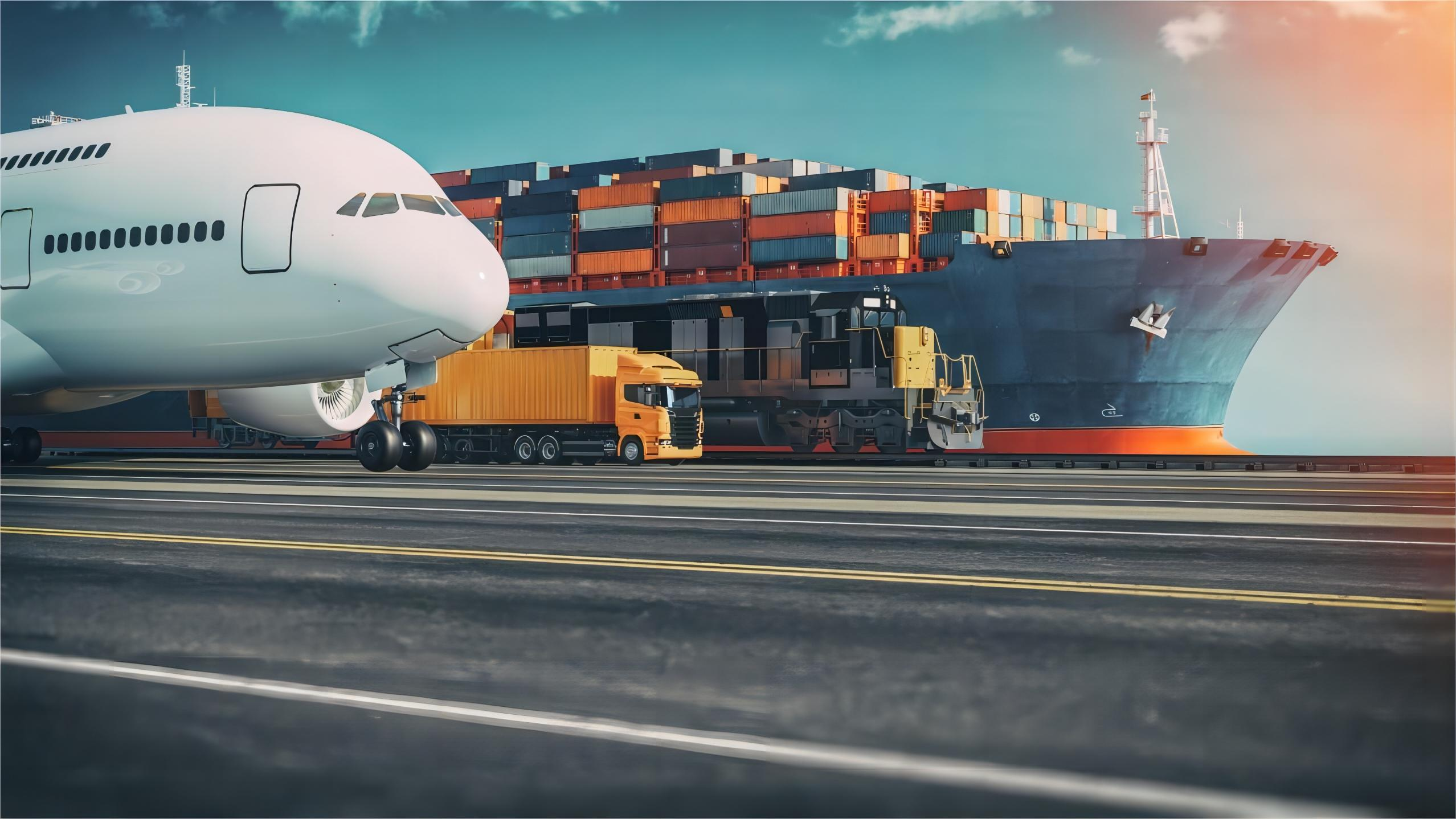
Finding the most competitive shipping from China to Kuwait shipping rates is essential for businesses looking to maintain healthy profit margins in 2026. As global trade routes stabilize, understanding the nuances of logistics between these two regions allows you to optimize your supply chain effectively. At DSV-Freight, we specialize in bridging the gap between Chinese manufacturers and Kuwaiti markets with transparent pricing and reliable service schedules.
✦
Understanding Market Trends for Shipping from China to Kuwait Shipping Rates
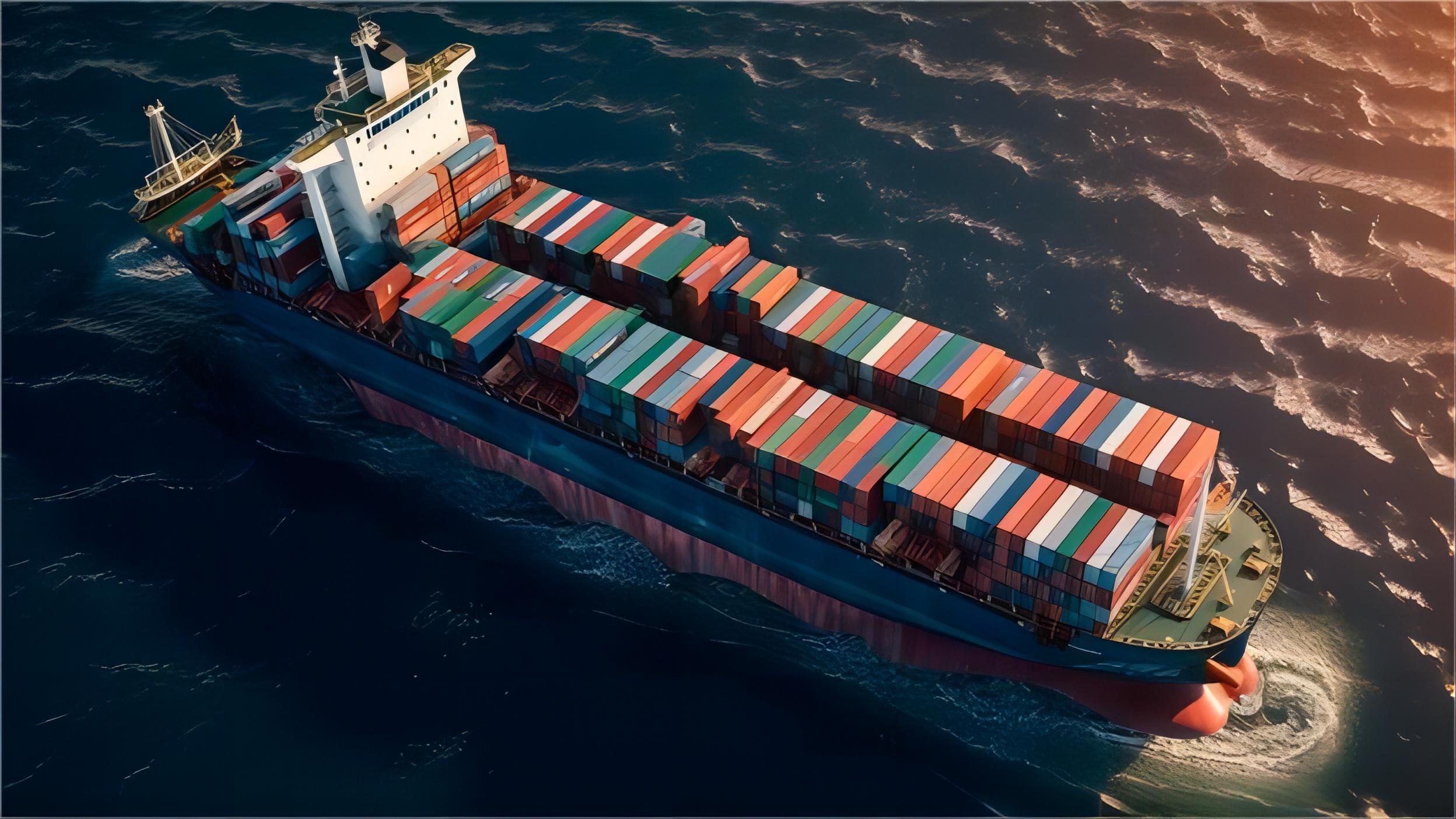
The logistics landscape in early 2026 shows a significant shift toward price stability after previous years of volatility. Consequently, importers are now focusing on long-term contracts to secure predictable shipping from China to Kuwait shipping rates for their annual inventory. Current market data suggests that fuel surcharges have leveled off, providing a more consistent baseline for ocean and air cargo pricing.

Furthermore, the expansion of port facilities in Kuwait has improved vessel turnaround times. This efficiency helps carriers maintain lower operational costs, which often translates into better rates for the end user. Importers should monitor these trends closely to time their bookings during off-peak windows when demand fluctuates less.
Additionally, the digital transformation of the supply chain has made price discovery much faster than in previous years. Businesses can now access real-time data to compare different service levels and carrier performance. This transparency ensures that you are not overpaying for standard transit times when faster options are available for a similar price.
How Does Sea Freight Compare to Other Shipping Options?
When evaluating your logistics strategy, you must consider all available transport modes to find the best balance of speed and cost. While sea freight remains the most popular choice for bulk commodities, other methods offer specific advantages for different cargo types. For instance, high-value electronics often benefit from the security and speed of air transport despite the higher initial outlay.
Moreover, hybrid solutions like sea-air combinations have gained traction for shipments that are too urgent for ocean travel but too heavy for pure air freight. These solutions typically involve shipping by sea to a regional hub like Dubai before flying the cargo into Kuwait City. This approach can save up to 40 percent on costs compared to direct air transport while cutting transit time in half compared to sea.
On the other hand, traditional ocean shipping is unmatched for large-scale industrial equipment and raw materials. Specifically, Full Container Load (FCL) services provide a dedicated space for your goods, reducing the risk of damage during handling. In contrast, Less than Container Load (LCL) is ideal for smaller businesses that do not have enough volume to fill a 20-foot container.
| Shipping Method | Cost Range | Transit Time | Best For |
|---|---|---|---|
| Sea Freight (FCL) | $1,800 – $3,200 | 22-30 Days | Bulk Goods |
| Sea Freight (LCL) | $40 – $90/CBM | 25-35 Days | Small Batches |
| Air Freight | $4.50 – $7.50/kg | 3-7 Days | Urgent/High Value |
| Express Service | $8.00 – $12.00/kg | 2-4 Days | Samples/Docs |
Breaking Down FCL and LCL Shipping from China to Kuwait Shipping Rates
Choosing between FCL and LCL is one of the most critical decisions affecting your total landed cost. For shipments exceeding 15 cubic meters, FCL is generally more economical because you pay a flat rate for the entire container. This method also simplifies the loading process as the container is sealed at the origin and only opened at your warehouse in Kuwait.
Conversely, LCL allows you to pay only for the space you occupy, which is beneficial for startups or seasonal inventory tests. However, LCL shipments often incur higher handling fees at the port of discharge because the cargo must be deconsolidated. Therefore, you should calculate the total cost including destination charges before deciding which sea freight option to utilize.
Market rates for a 20GP container from Shanghai to Shuwaikh currently range between $1,800 and $2,400 depending on the carrier. For a 40HQ container, prices typically sit between $2,800 and $3,600 in the first half of 2026. These rates are subject to seasonal adjustments, especially during the pre-Ramadan rush when demand for consumer goods peaks.
Air Freight Solutions for Urgent Kuwaiti Imports
If your business model relies on fast turnover or perishable items, air freight is the most logical choice. While the shipping from China to Kuwait shipping rates for air cargo are higher, the reduction in lead time can significantly improve your cash flow. You can move products from a factory in Shenzhen to a retail shelf in Kuwait in less than a week.
Additionally, air transport offers superior protection for sensitive items like medical supplies or high-end fashion. The shorter transit time reduces the exposure to environmental factors and minimizes the risk of theft. Consequently, many luxury brands prefer air cargo despite the premium pricing to ensure product integrity and customer satisfaction.
Standard air freight rates for 2026 are hovering around $5.00 per kilogram for shipments over 100kg. For larger volumes exceeding 500kg, you can often negotiate better rates with your freight forwarder. Always remember to check if your cargo is classified as ‘general’ or ‘special’ as hazardous materials or oversized items will attract additional surcharges.
The Role of Customs Brokerage in Cost Management
Navigating the legal requirements of Kuwaiti customs is a vital part of managing your overall shipping from China to Kuwait shipping rates. Errors in documentation can lead to expensive storage fees at the port or even the seizure of goods. Therefore, partnering with a professional customs brokerage service is often a cost-saving move in the long run.
Furthermore, Kuwait requires specific documents such as a commercial invoice, packing list, and a Certificate of Origin legalized by the Chamber of Commerce. If these documents are not in order, your shipment will face delays that increase your total logistics spend. Ensuring compliance from the start prevents these unnecessary financial leaks in your supply chain.
Most importers in Kuwait benefit from the relatively straightforward duty structure, but certain items may be subject to higher taxes. For instance, tobacco or specific industrial chemicals might have different tariff codes. By verifying these details before the cargo leaves China, you can accurately estimate your total landed cost and avoid surprises.
Door to Door Delivery: Simplifying the Last Mile
Many modern businesses prefer door to door services because they provide a single point of accountability. This service includes everything from factory pickup in China to final delivery at your doorstep in Kuwait. While the upfront quote might seem higher, it often eliminates the hidden costs associated with managing multiple logistics providers.
Moreover, door-to-door solutions streamline the communication process, as you only need to track one reference number for the entire journey. This visibility is crucial for maintaining inventory levels and meeting customer expectations in a competitive market. It also reduces the administrative burden on your staff, allowing them to focus on sales and marketing rather than logistics coordination.
In 2026, we see an increasing number of e-commerce sellers adopting this model to compete with local distributors. By managing the end-to-end process, they can offer faster delivery times and more reliable service. This strategy is particularly effective for high-margin consumer electronics and specialized machinery parts.
Real-World Case Studies: Shipping Success to Kuwait
Case Study 1: An electronics distributor in Kuwait City needed to move 450kg of smartphones from Shenzhen. They chose air freight to capture the market launch window. The total cost was $2,475 with a transit time of 4 days. By using a direct route, they avoided transshipment delays and achieved a successful product rollout.
Case Study 2: A furniture retailer imported three 40HQ containers of home decor from Ningbo to Shuwaikh Port. They utilized FCL sea freight with a total landed cost of $10,200 including customs duties. The shipment took 26 days from port to port, allowing the retailer to stock their warehouse well before the peak shopping season.
Case Study 3: A small boutique used LCL shipping for 4 CBM of textiles from Guangzhou. The shipping from China to Kuwait shipping rates for this consolidated load totaled $380 for the ocean freight portion. Although the transit time was 32 days, the low cost allowed the boutique to maintain a high profit margin on their unique clothing line.

Which Option Should You Choose?
Deciding on the right shipping method requires a clear understanding of your business priorities and cargo characteristics. If your primary goal is cost minimization and you have flexible timelines, sea freight is the undisputed winner. However, if you are dealing with high-demand items or tight deadlines, the speed of air freight justifies the additional expense.
Specifically, you should choose FCL if your volume exceeds 15 CBM or if your goods are fragile and require minimal handling. For smaller shipments under 10 CBM, LCL offers a budget-friendly alternative that keeps your inventory moving without waiting for a full container. Always weigh the trade-offs between speed, security, and price before finalizing your booking.
Lastly, consider the impact of seasonal peaks on your chosen method. During the months leading up to major holidays, sea freight rates can climb by 20 percent or more. In these cases, booking several weeks in advance or switching to a sea-air hybrid might be the most strategic move to protect your bottom line.
Mastering Your Logistics from China to Kuwait
To summarize, navigating shipping from China to Kuwait shipping rates requires a combination of market knowledge, strategic planning, and reliable partnerships. Whether you choose the cost-effective path of sea freight or the rapid delivery of air cargo, understanding the underlying costs is essential. By focusing on documentation accuracy and choosing the right container options, you can significantly reduce your logistics overhead.
As we move through 2026, staying informed about port conditions and carrier trends will remain a competitive advantage. We encourage you to evaluate your current shipping methods and consider the alternatives discussed in this guide. With the right approach, your imports from China will become a streamlined engine for your business growth in Kuwait.

Optimizing your shipping from China to Kuwait shipping rates is the first step toward a more profitable international trade operation. Contact our expert team today to receive a customized quote that fits your specific cargo needs and budget. Visit our website to Send Inquiry and start your seamless shipping journey now.
Frequently Asked Questions
What is the average transit time for sea freight to Kuwait?
How are air freight rates calculated for Kuwait?
Do I need a special license to import from China to Kuwait?
What are the main ports of entry in Kuwait?
Can I ship small quantities using LCL?
Are there seasonal price increases for shipping to Kuwait?
How can I reduce my shipping costs to Kuwait?
What documents are required for Kuwaiti customs?