
Shipping from China to USA Cost: 2026 Freight Rate Guide
“Determining the shipping from China to USA cost is a fundamental step for businesses looking to maintain a healthy bottom line in 2026. Navigating the complexities of international logistics requires a reliable partner like Alibaba Freight to manage your supply chain with precision and efficiency. This guide provides an in-depth analysis of current freight rates, transit times, and the various factors that influence your total landed cost in the current market.”
What Primary Factors Influence Shipping from China to USA Cost in 2026?
❖Economic shifts throughout 2026 have significantly altered the landscape of global trade and international logistics. Fuel surcharges remain a primary driver of price fluctuations across all transport modes, including air and sea. Moreover, seasonal demand spikes during the holiday rush can increase rates by up to 25 percent compared to the off-peak months.
Capacity constraints at major ports also play a critical role in determining your final shipping expenses. Consequently, businesses must monitor global trade trends to lock in competitive pricing before peak seasons begin. Furthermore, the choice of equipment, such as refrigerated containers or oversized racks, will add specific surcharges to your base freight rate.
Geopolitical stability and trade agreements between the two nations continue to impact tariff structures and port fees. For instance, new environmental regulations in 2026 have led to a slight increase in bunker adjustment factors for ocean carriers. Therefore, staying informed about these external variables is essential for accurate budgeting and supply chain planning.
Labor availability in both Chinese manufacturing hubs and US coastal ports affects the speed and cost of cargo handling. Indeed, any disruption in the workforce can lead to port congestion and subsequent demurrage charges. Accordingly, diversifying your port of entry can sometimes mitigate these risks and lower your overall shipping from China to USA cost.
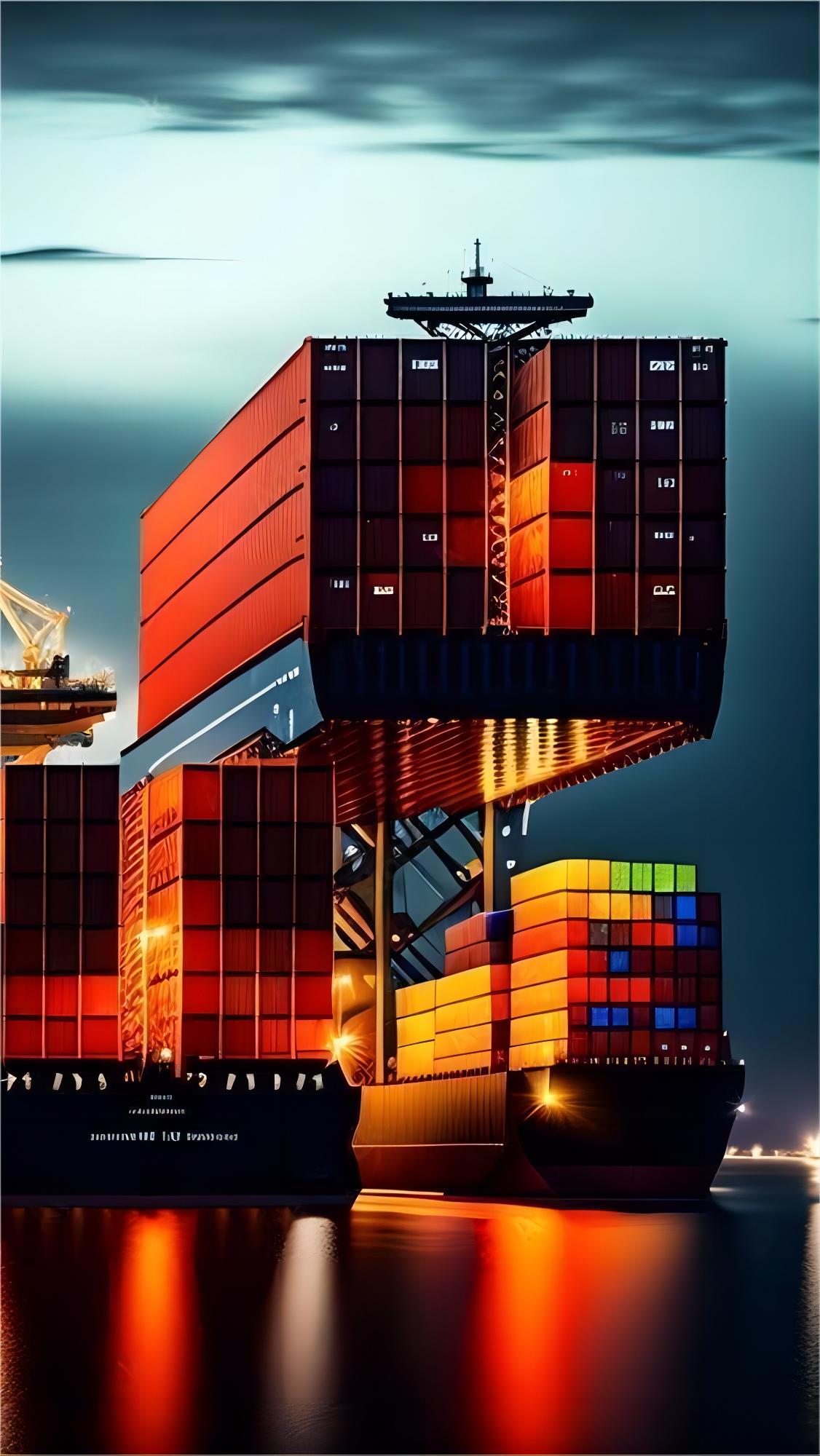
How Does Sea Freight Compare to Other Shipping Options?
❖While sea freight remains the most popular choice for bulk cargo, it is not always the most efficient solution for every business model. For instance, air freight offers unmatched speed for high-value items despite its significantly higher price point per kilogram. Additionally, express services provide a seamless solution for small parcels and urgent samples that require immediate delivery.
Choosing the right method depends heavily on your specific budget, cargo volume, and required delivery deadlines. Moreover, hybrid solutions like sea-air combinations have gained popularity in 2026 for those seeking a balance between speed and cost. To summarize, an objective analysis of all alternatives is necessary to optimize your logistics strategy.
Market data suggests that ocean freight is approximately five to ten times cheaper than air freight for large volumes. However, the transit time for sea routes is considerably longer, often taking several weeks to reach the destination. In contrast, air cargo can arrive at major US hubs within a matter of days, allowing for faster inventory turnover.
Alternative strategies such as transshipment via Southeast Asian ports can sometimes offer cost savings of 10-15 percent. Nevertheless, this approach usually adds several days to the total transit time and increases the risk of cargo handling issues. Consequently, most importers prefer direct routes to the US West Coast for the best balance of reliability and cost.
| Shipping Method | Cost Range | Transit Time | Best For |
|---|---|---|---|
| Sea Freight (FCL) | $2,500 – $5,500 | 18-35 Days | Bulk Shipments |
| Air Freight | $5.00 – $9.00/kg | 3-7 Days | High-value Goods |
| Express Service | $8.00 – $12.00/kg | 2-5 Days | Urgent Samples |
| Sea Freight (LCL) | $50 – $120/CBM | 22-40 Days | Small Volumes |
Understanding 2026 Freight Rates for Container Shipping
❖Container pricing has stabilized in early 2026 after the fluctuations seen in previous years. For example, 20GP and 40HQ containers remain the standard units for most industrial and consumer goods. Furthermore, the price difference between shipping to the West Coast versus the East Coast remains a significant factor in total landed cost calculations.
Typical rates as of early 2026 suggest that shipping to Los Angeles or Long Beach is significantly more affordable than shipping to New York or Savannah. This price gap is primarily due to the shorter distance and higher frequency of vessels serving the Pacific routes. Therefore, many importers choose to land cargo in California and utilize rail networks for inland distribution.
Note: Freight rates are subject to change based on fuel costs, carrier capacity, and seasonal demand. Contact us for a current quote tailored to your specific shipment.
| Route | 20GP Container | 40GP Container | 40HQ Container |
|---|---|---|---|
| China to USA West | $1,800 – $2,400 | $2,800 – $3,600 | $3,000 – $4,000 |
| China to USA East | $2,800 – $3,800 | $4,200 – $5,800 | $4,800 – $6,500 |
| China to Gulf Coast | $2,500 – $3,500 | $3,800 – $5,200 | $4,200 – $5,800 |

Is Air Freight a Viable Option for Your Business?
❖Utilizing air freight is often the best strategy for businesses dealing with perishable goods or high-tech electronics. Although the cost per kilogram is higher, the reduction in lead times can significantly improve cash flow. Additionally, air transport offers higher levels of security and a reduced risk of damage compared to ocean voyages.
Market intelligence indicates that air cargo rates are influenced by the weight-to-volume ratio, also known as chargeable weight. Consequently, optimizing your packaging to reduce empty space is a vital tactic for lowering your air freight expenses. Without a doubt, air transport remains the preferred choice for time-sensitive product launches.
Moreover, the reliability of flight schedules in 2026 has improved, with more dedicated freighters operating between major Chinese hubs and US airports. For instance, direct flights from Shanghai to Chicago can often clear customs and be ready for delivery within 48 hours. Thus, the speed advantage frequently justifies the premium price for many high-margin industries.
How to Optimize Amazon FBA Shipping Costs from China
❖Many e-commerce sellers rely on Amazon FBA services to reach their customers across the United States. Successfully managing these logistics involves understanding Amazon’s strict labeling and packaging requirements to avoid additional warehouse fees. Furthermore, choosing between sea and air for FBA shipments depends on your current inventory levels and sales velocity.
Consolidating multiple smaller orders into a single FCL shipment can lead to substantial savings on your shipping from China to USA cost. On the other hand, if you are testing a new product, LCL or express shipping might be more appropriate to limit initial risk. In addition, working with a forwarder who specializes in FBA can prevent common documentation errors at the border.
Industry average for this route suggests that FBA sellers who plan their inventory three months in advance save nearly 30 percent on logistics. Meanwhile, those who rely on last-minute air shipments often see their profit margins eroded by high shipping fees. Therefore, a proactive approach to supply chain management is essential for long-term success on the platform.
Navigating Customs Brokerage and Import Duties
❖The role of a professional customs brokerage cannot be overstated when importing goods into the US. Every shipment must be classified correctly using the Harmonized Tariff Schedule to ensure the proper duties are paid. Moreover, missing or incorrect documentation can lead to expensive storage fees and lengthy inspections at the port of entry.
US Customs and Border Protection requires several key documents, including the Commercial Invoice, Packing List, and Bill of Lading. Additionally, certain products may require specialized permits from agencies like the FDA or EPA. Consequently, including these administrative costs in your initial budget is vital for calculating the true shipping from China to USA cost.
Typical rates for customs clearance services range from $100 to $200 per entry, depending on the complexity of the cargo. However, the value of avoiding a multi-thousand dollar penalty far outweighs these service fees. Indeed, a smooth clearance process is the final hurdle in an efficient international shipping strategy.
Real-World Case Studies: 2026 Shipping Scenarios
❖Case Study 1: Large Scale Furniture Import. Route: Ningbo, China to Los Angeles, USA. Cargo: Wooden Furniture, 65 CBM, 12000 kg. Container: 40HQ. Shipping Details: Carrier: COSCO; Port of Loading: Ningbo; Port of Discharge: Los Angeles; Route Type: Direct. Cost Breakdown: Ocean Freight: $3,600; Origin Charges: $450; Destination Charges: $600; Customs and Duties: $1,200; Total Landed Cost: $5,850. Timeline: Booking to Loading: 4 days; Sea Transit: 16 days; Customs Clearance: 3 days; Total Door-to-Door: 23 days. Key Insight: Direct routing saved five days compared to transshipment options.
Case Study 2: High Value Tech Components. Route: Shenzhen, China to Chicago, USA. Cargo: Circuit Boards, 2 CBM, 450 kg. Container: LCL. Shipping Details: Carrier: Major Air Carrier; Port of Loading: Shenzhen; Port of Discharge: O’Hare International; Route Type: Transshipment via Anchorage. Cost Breakdown: Air Freight: $3,150; Origin Charges: $200; Destination Charges: $350; Customs and Duties: $800; Total Landed Cost: $4,500. Timeline: Booking to Loading: 2 days; Air Transit: 5 days; Customs Clearance: 2 days; Total Door-to-Door: 9 days. Key Insight: Air freight was necessary to meet a strict production deadline despite the higher cost.
Case Study 3: Small Parcel E-commerce. Route: Guangzhou, China to Dallas, USA. Cargo: Apparel, 0.5 CBM, 80 kg. Container: Express. Shipping Details: Carrier: DHL; Port of Loading: Guangzhou; Port of Discharge: Dallas; Route Type: Door to Door. Cost Breakdown: Express Freight: $850; Customs and Duties: $150; Total Landed Cost: $1,000. Timeline: Total Door-to-Door: 4 days. Key Insight: Express services provided the fastest route for high-demand fashion items.

Which Option Should You Choose for Your Shipment?
❖Selecting the ideal method for your door to door shipment requires a clear understanding of your business priorities. If budget is your primary concern and you have ample lead time, sea freight is the logical choice. However, if you are facing tight deadlines or handling high-value goods, air freight or express services are more suitable.
Volume thresholds also play a major role in this decision-making process. For instance, shipments exceeding 15 cubic meters are almost always more cost-effective when sent via FCL. Conversely, very small shipments under 100 kilograms are best handled by express couriers to avoid the high minimum fees of ocean or air cargo.
Cargo type considerations must also be factored into your choice. Fragile items or those sensitive to humidity may require the faster transit and smoother handling of air transport. Therefore, evaluating your product’s specific needs alongside market rates will lead to the most efficient logistics outcome.
Final Thoughts on 2026 Shipping Costs
To summarize, managing the shipping from China to USA cost requires a strategic approach to selecting transport modes and timing your shipments. By staying informed on 2026 market trends and utilizing professional freight services, you can maintain a competitive edge in the global marketplace. Ensure you calculate all hidden fees, including customs duties and local drayage, to determine your true total landed cost.
Successful importers are those who remain flexible and adapt to changing market conditions. Whether you choose sea, air, or express, the key is to work with partners who offer transparency and reliability. Ultimately, a well-optimized supply chain is the backbone of any profitable international trade business.

Ready to streamline your logistics?
Contact us today to receive a personalized quote for your shipping from China to USA cost. Our team at Alibaba Freight is ready to optimize your logistics and reduce your landed costs in 2026. Visit https://alibabafreight.com/ to get started.
Request Quote