
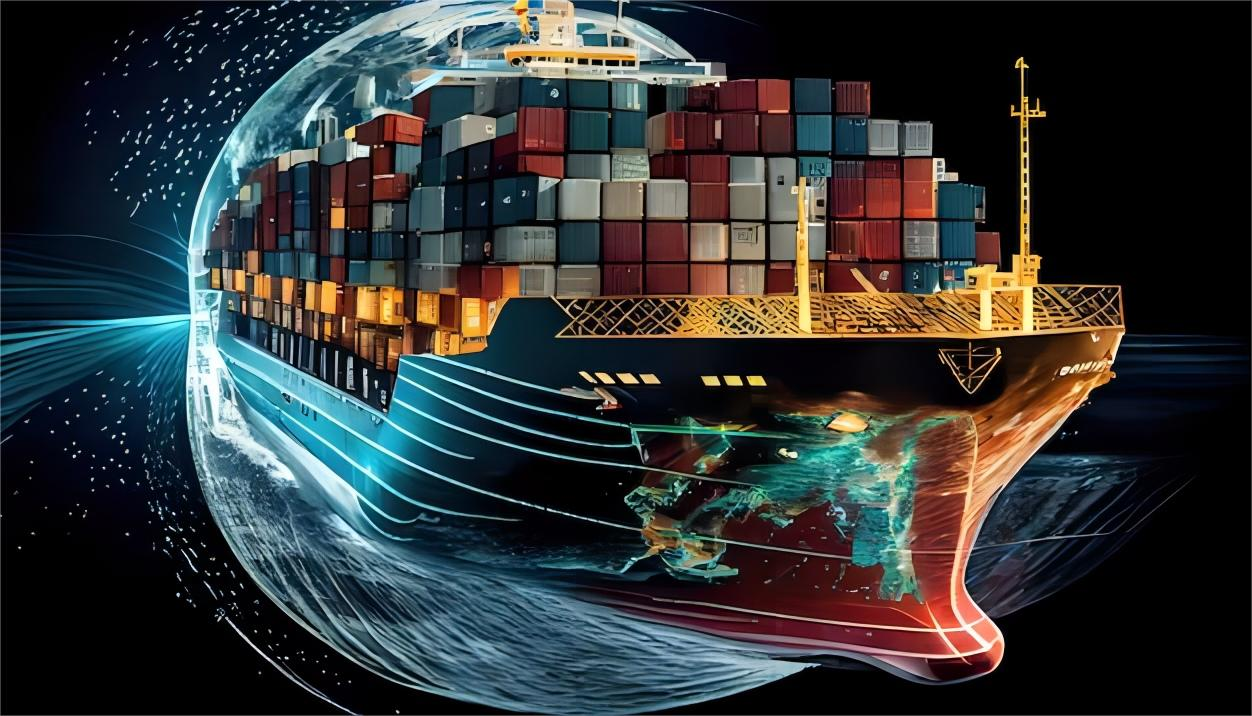
China Freight Forwarding Company Global Logistics DDP Air Sea: 2026 Shipping Guide
“Selecting the right china freight forwarding company global logistics ddp air sea partner is the most critical decision for your 2026 international trade operations. Global supply chains face evolving challenges, yet a professional logistics provider streamlines the entire process from origin to final destination. This guide explores how integrated DDP solutions and multimodal transport options can optimize your shipping costs and delivery timelines. By leveraging advanced tracking and local expertise, businesses can navigate the complexities of modern trade with confidence and efficiency.”
The Evolution of Global Logistics in 2026
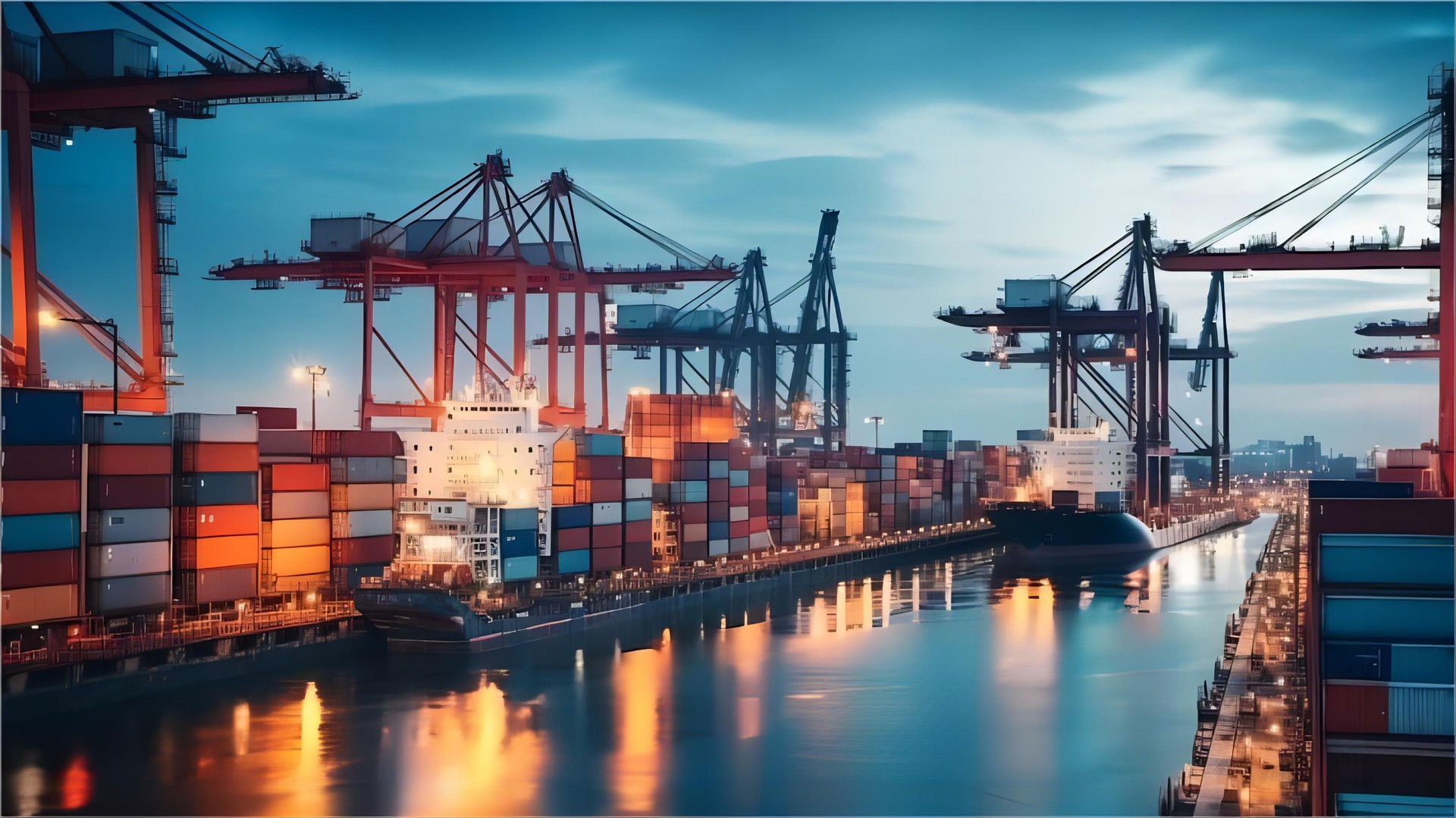
❖International trade in 2026 has transformed significantly due to digital integration and shifting economic corridors. Companies now require more than just transportation; they demand end-to-end visibility and resilience in their supply chains. Consequently, the role of a China freight forwarding company global logistics ddp air sea specialist has become indispensable for maintaining competitive advantages.
Technological advancements have streamlined customs documentation and real-time tracking, reducing the likelihood of unexpected delays at major ports. Moreover, the focus has shifted toward sustainable shipping practices and carbon-neutral logistics options. Businesses that adapt to these trends by partnering with forward-thinking forwarders often see a marked improvement in their bottom line.
Market data suggests that the demand for integrated DDP services has risen by 25 percent over the last year. This trend reflects a growing preference for hassle-free shipping where the forwarder handles every detail from the factory floor to the customer door. As a result, choosing a partner with a robust network in both China and destination markets like North America or Europe is essential.
Why Choose a China Freight Forwarding Company Global Logistics DDP Air Sea Partner?
❖Reliability remains the cornerstone of any successful import-export business dealing with high-volume shipments. A specialized sea freight provider offers the infrastructure needed to move large quantities of goods at the most economical rates. Furthermore, these experts possess the local knowledge required to navigate the specific regulatory environments of different Chinese provinces.
Efficiency is greatly enhanced when you consolidate your logistics needs under a single provider. Instead of managing multiple vendors for trucking, warehousing, and customs, a comprehensive freight forwarder simplifies the communication chain. This holistic approach minimizes errors and ensures that all parties are aligned on the delivery schedule.
Cost-effectiveness is another major benefit, as established forwarders have the bargaining power to secure better rates with major carriers. Indeed, the ability to access contract rates can save a business thousands of dollars annually on shipping costs. Meanwhile, the professional handling of cargo reduces the risk of damage or loss during transit.
DDP Shipping Explained: The Ultimate Door to Door Convenience
❖Delivered Duty Paid, or DDP, is an Incoterm that places the maximum responsibility on the seller or their freight forwarder. Under this arrangement, the door to door service includes all transport costs, export and import duties, taxes, and customs clearance fees. Therefore, the buyer receives the goods without having to deal with any administrative or financial burdens at the border.
Implementing a DDP strategy is particularly beneficial for e-commerce sellers and small businesses that lack in-house customs expertise. It provides a clear, landed cost upfront, which allows for more accurate product pricing and financial planning. Additionally, it eliminates the risk of goods being held at customs due to unpaid duties or incorrect paperwork.
Professional forwarders managing DDP shipments use sophisticated software to calculate duties and taxes in real-time. This precision ensures that there are no hidden costs or surprise invoices after the goods have been delivered. Consequently, DDP has become the gold standard for seamless international logistics in 2026.
How Does Sea Freight Compare to Other Shipping Options?
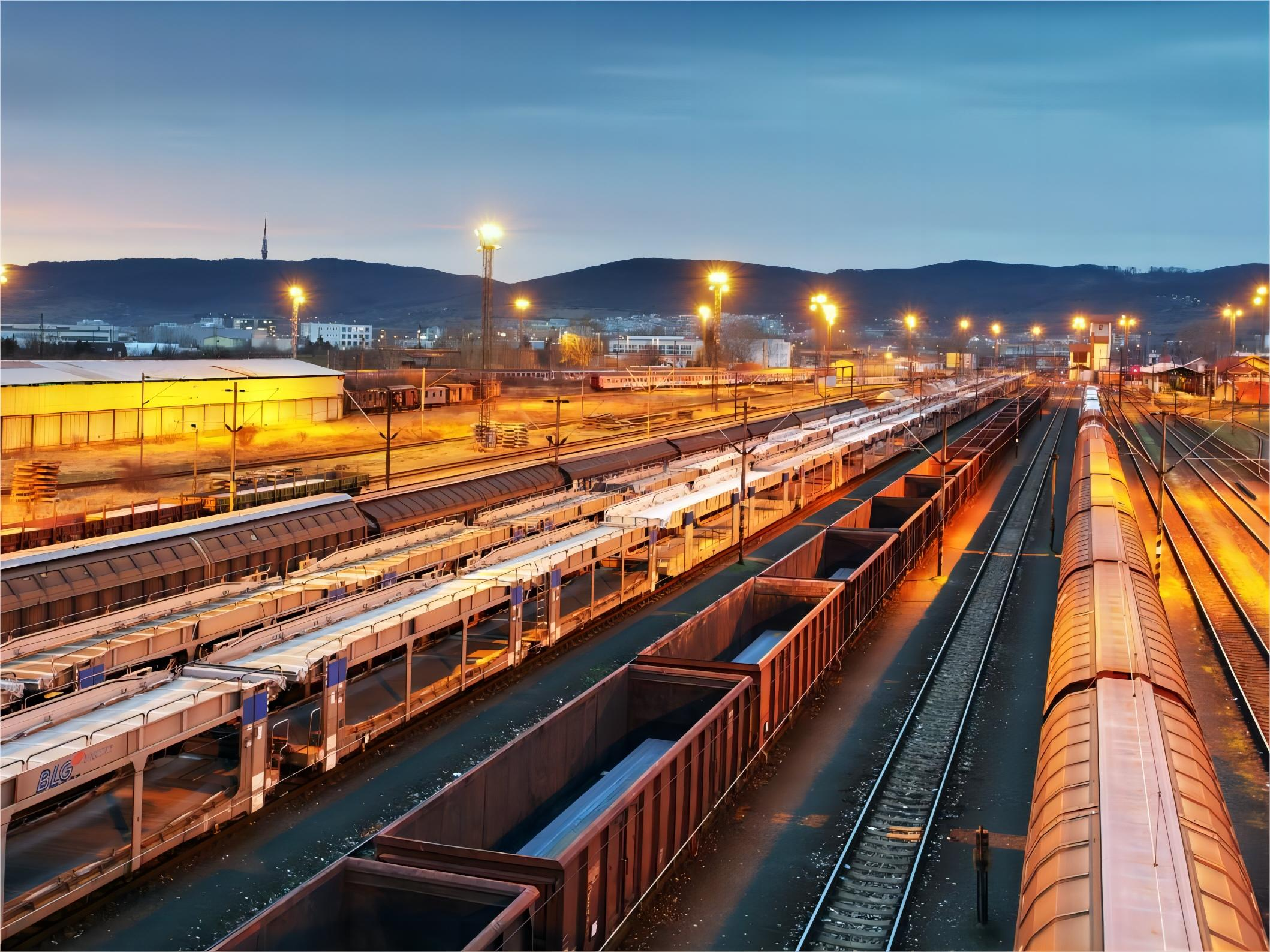
❖Comparing sea freight with air or rail options requires a careful analysis of budget, speed, and cargo volume. While sea freight is the slowest method, it offers the lowest cost per unit for large-scale shipments. In contrast, air freight provides unparalleled speed but comes at a significant premium that may not be sustainable for low-margin products.
Rail freight has emerged as a viable middle ground, especially for shipments heading from China to Europe. It offers faster transit times than the ocean while remaining more affordable than the air. However, for island nations like Australia, sea and air remain the only primary options for direct transport from China.
Direct shipping routes are typically more expensive than transshipment options but offer better security and faster delivery. For instance, a direct vessel from Shanghai to Los Angeles might save a week compared to a route that stops in multiple Southeast Asian ports. Businesses must weigh these time savings against the increased freight rates.
| Shipping Method | Cost Range (2026) | Transit Time | Best For |
|---|---|---|---|
| Air Freight | $5.50 – $9.00 / kg | 3 – 7 Days | Urgent / High-value |
| Sea Freight (FCL) | $2,800 – $4,500 / 40HQ | 20 – 40 Days | Bulk / Large volume |
| Rail Freight | $120 – $180 / CBM | 15 – 22 Days | Mid-size to Europe |
| Express Service | $8.00 – $15.00 / kg | 2 – 4 Days | Samples / Small parcels |
Air Freight vs. Rail Freight: Choosing the Best Alternative
❖Speed is often the deciding factor for businesses choosing air freight over other methods. When inventory levels are low or a product launch is imminent, the high cost of air transport is justified by the rapid turnaround. Furthermore, air cargo handling is generally more delicate, making it suitable for fragile or perishable items.
Rail freight, on the other hand, provides a stable and eco-friendly alternative for transcontinental shipping. According to industry benchmarks, rail transport emits significantly less CO2 than air freight, appealing to companies with strict sustainability goals. Nevertheless, rail infrastructure can be susceptible to geopolitical disruptions, requiring forwarders to have contingency plans in place.
Choosing between these two often depends on the specific weight and volume of the cargo. For shipments over 100kg but under 2 CBM, the price gap between air and rail might narrow depending on the current fuel surcharges. Always consult with your China freight forwarding company global logistics ddp air sea partner to get the most accurate quote for your specific dimensions.
Strategic Logistics Planning for North America and Europe
❖Shipping to North America involves navigating major gateways like Los Angeles, Long Beach, and New York. Each port has its own set of challenges, including potential congestion and varying drayage costs. A seasoned forwarder will monitor these conditions daily to recommend the most efficient port of entry for your final destination.
European logistics often require a multi-port strategy to minimize inland transport costs across the continent. Ports like Rotterdam, Hamburg, and Antwerp serve as primary hubs, but smaller regional ports can sometimes offer faster clearance. Additionally, understanding the VAT and customs regulations within the EU is vital for a smooth DDP experience.
Market average for these routes suggests that transit times have stabilized in early 2026. However, seasonal peaks during the third quarter can still lead to space shortages and rate hikes. Planning your shipments at least 4-6 weeks in advance is highly recommended to secure equipment and vessel space.
Real-World Case Studies: 2026 Shipping Scenarios
❖Case Study 1: High-Volume Electronics Distribution. Route: Shenzhen, China to Los Angeles, USA. Cargo: Consumer electronics, 68 CBM, 12,000 kg. Container: 1 x 40HQ. Shipping Details: Direct sea freight via COSCO. Port of Loading: Shenzhen. Port of Discharge: Los Angeles. Cost Breakdown: Ocean Freight: $3,400; Origin Charges: $450; Destination Charges: $650; Customs & Duties (DDP): $2,200; Total Landed Cost: $6,700. Timeline: Booking to Loading: 3 days; Sea Transit: 15 days; Customs Clearance: 2 days; Total Door-to-Door: 22 days. Key Insight: Utilizing a direct route saved 8 days compared to transshipment, ensuring the client met their Q1 retail deadline.
Case Study 2: Fast-Fashion Apparel Restock. Route: Ningbo, China to Hamburg, Germany. Cargo: Garments, 8 CBM, 1,500 kg. Container: LCL (Less than Container Load). Shipping Details: Rail freight via China-Europe Express. Port of Loading: Ningbo (via Xi’an). Port of Discharge: Hamburg. Cost Breakdown: Rail Freight: $1,100; Origin Charges: $250; Destination Charges: $300; Customs & Duties: $800; Total Landed Cost: $2,450. Timeline: Booking to Loading: 5 days; Rail Transit: 18 days; Customs Clearance: 3 days; Total Door-to-Door: 28 days. Key Insight: Rail provided a 14-day advantage over sea freight at only 40 percent of the cost of air freight.
Cost-Saving Strategies and Hybrid Logistics Solutions
❖Optimizing your shipping budget requires a combination of smart packaging and strategic timing. For example, reducing the volumetric weight of your cargo through better palletization can significantly lower air freight costs. Moreover, consolidating multiple small shipments into a single FCL (Full Container Load) is often more economical than paying for multiple LCL shipments.
Hybrid solutions like sea-air combinations offer a creative way to balance cost and speed. In this scenario, goods are shipped by sea from China to a hub like Dubai or Singapore and then flown to the final destination. This approach can save up to 50 percent compared to pure air freight while being twice as fast as pure sea freight.
Warehouse consolidation in China is another effective strategy for businesses sourcing from multiple suppliers. By having your forwarder collect and store goods in a central facility, you can ship everything together, reducing documentation fees and improving container utilization. Indeed, these small adjustments can lead to substantial long-term savings.
Which Option Should You Choose? Decision Framework
❖Deciding on the right shipping method involves evaluating your specific business priorities and cargo characteristics. If budget is your primary concern and you have a flexible timeline, sea freight is almost always the superior choice. On the other hand, if you are shipping high-value items with a short shelf life, the speed of air freight justifies the expense.
Volume thresholds also play a role in the decision-making process. For shipments under 1 CBM, express services or LCL air freight might be the most practical. Once you exceed 15 CBM, it is often more cost-effective to book a 20GP container, even if it is not completely full. This threshold ensures you maximize the value of the fixed ocean freight costs.
Cargo type considerations are equally important, as some items are restricted or require special handling. Dangerous goods, batteries, or oversized machinery will have limited options and higher surcharges. Always provide your China freight forwarding company global logistics ddp air sea partner with a detailed packing list and MSDS if applicable.
Mastering Your Global Logistics Strategy
Navigating the international shipping landscape requires a blend of strategic planning and reliable partnerships. By choosing a professional china freight forwarding company global logistics ddp air sea provider, you ensure that your goods are handled with care and delivered efficiently. Whether you prioritize cost, speed, or convenience, there is a tailored solution available for every business need.
As we move through 2026, staying informed about market trends and logistics innovations will remain key to your success. Remember that freight rates are subject to change based on fuel costs, carrier capacity, and seasonal demand. Contact us for a current quote tailored to your specific shipment and take the first step toward a more resilient supply chain.
Ready to streamline your logistics?
Ready to optimize your 2026 supply chain? Contact our expert team today for a customized quote on our china freight forwarding company global logistics ddp air sea services. Send Inquiry now to secure the best rates for your next shipment.
Request Quote