
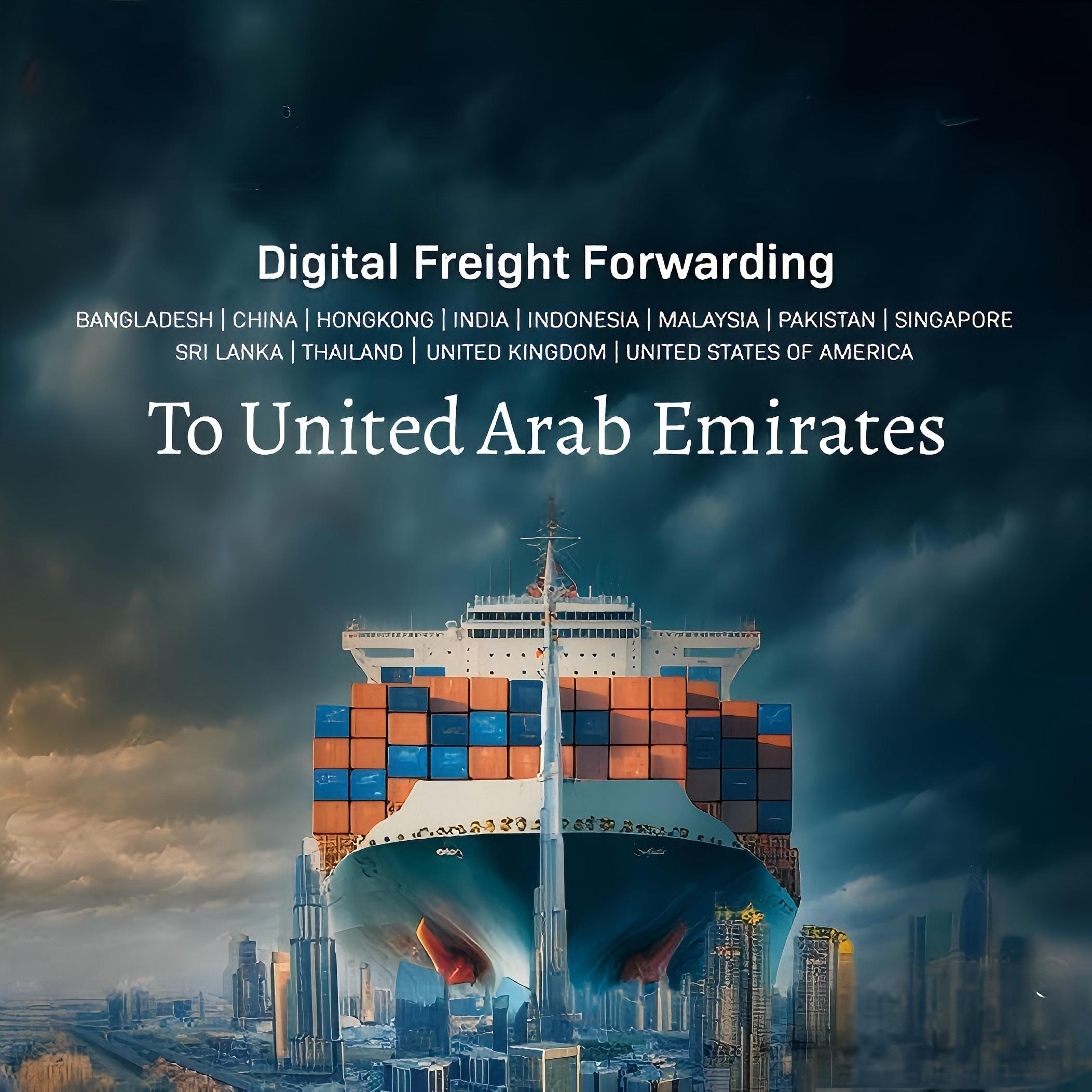
Sea Freight China Door to Door FCL LCL DDP Service: 2026 Guide
Navigating the complexities of global trade requires a reliable logistics partner to ensure your goods arrive safely and on time. DSV-Freight provides comprehensive solutions tailored to modern business needs, helping importers manage their supply chains with precision. Our sea freight china door to door fcl lcl ddp service simplifies the entire international shipping process by handling everything from the factory floor in China to your final warehouse destination. Consequently, businesses can focus on growth while we manage the intricate details of ocean transit and customs compliance.
Understanding Sea Freight China Door to Door FCL LCL DDP Service
Specifically, the sea freight china door to door fcl lcl ddp service is designed to offer a seamless experience for importers who want to avoid the headaches of coordinating multiple logistics providers. This service model covers the entire journey, including pickup, ocean freight, customs clearance, and final delivery. By choosing sea freight, companies can transport large volumes of goods at a fraction of the cost compared to air transport.
Moreover, the Delivered Duty Paid (DDP) incoterm means that the seller or freight forwarder assumes all responsibility for costs and risks until the goods reach the buyer. This includes paying for all import duties, taxes, and clearance fees at the destination port. Therefore, buyers enjoy a fixed price and do not have to worry about unexpected charges during the delivery process.
Additionally, businesses can choose between Full Container Load (FCL) and Less than Container Load (LCL) based on their specific shipment size. FCL is ideal for those with enough cargo to fill a 20ft or 40ft container, while LCL allows smaller shipments to share container space. As a result, even small-to-medium enterprises can access competitive ocean freight rates without needing massive inventory volumes.
The Importance of 2026 Market Context
As of Q1 2026, the logistics landscape has stabilized significantly following the major disruptions seen in previous years. Freight rates from China to major Western ports have reached a new equilibrium, though seasonal fluctuations remain a critical factor. Furthermore, the adoption of digital tracking and automated customs systems has improved the reliability of door to door services across all major routes.
Comparing FCL and LCL Shipping from China
Choosing between FCL and LCL is a fundamental decision that impacts both your budget and your delivery schedule. FCL shipments generally move faster because they do not require the consolidation and deconsolidation processes associated with shared containers. In contrast, LCL provides a cost-effective entry point for businesses testing new products or managing lower stock levels.
Furthermore, container security is often higher with FCL since the container is sealed at the origin and only opened at the final destination. However, LCL providers have implemented advanced cargo handling protocols to ensure that shared shipments are protected throughout the journey. Consequently, the choice often depends on whether your priority is speed, security, or pure cost efficiency.
| Feature | FCL (Full Container) | LCL (Less than Container) | Best For |
|---|---|---|---|
| Volume | Over 15 CBM | 1 to 15 CBM | FCL for bulk goods |
| Transit Time | Faster (Direct) | Slower (Consolidation) | FCL for urgent stock |
| Cost Basis | Per Container Flat Rate | Per Cubic Meter (CBM) | LCL for small loads |
| Risk Factor | Lower (Sealed) | Moderate (Handling) | FCL for fragile items |
Why Choose DDP for Your China Imports?
Utilizing a door to door DDP service eliminates the complexity of international trade for the importer. Under DDP terms, the freight forwarder handles all aspects of the supply chain, including the payment of VAT and import duties. This transparency allows businesses to calculate their landed cost accurately before the shipment even leaves China.
Additionally, DDP reduces the administrative burden on your internal team, as you do not need to register with local customs or manage complex tax filings. Meanwhile, the forwarder leverages their local expertise to navigate changing regulations and avoid costly delays. Indeed, this hands-off approach is particularly beneficial for e-commerce sellers and Amazon FBA participants who require reliable delivery to specific fulfillment centers.
How Does Sea Freight Compare to Other Shipping Options?
While sea freight is the most common method for transporting goods from China, it is essential to consider alternatives like air freight or rail freight. Air freight remains the fastest option, suitable for high-value or time-sensitive electronics, yet it carries a significantly higher price tag. On the other hand, rail freight offers a middle ground for shipments to Europe, balancing cost and speed effectively.
Specifically, for shipments to Australia or North America, sea freight remains the dominant choice due to geographical constraints and volume capacity. Furthermore, professional customs brokerage services are integrated into these modes to ensure compliance across different borders. Consequently, the ideal shipping method depends on your specific balance of budget, urgency, and cargo type.
| Shipping Method | Cost Range (2026) | Transit Time | Best For |
|---|---|---|---|
| Sea Freight (FCL) | $2,500 – $5,500 | 18 – 40 Days | Bulk Inventory |
| Air Freight | $5.00 – $9.00 / kg | 3 – 7 Days | High-Value Goods |
| Rail Freight | $120 – $180 / CBM | 15 – 22 Days | Europe Shipments |
| Express Service | $8.00 – $15.00 / kg | 2 – 5 Days | Samples / Urgent |
Which Option Should You Choose? Decision Framework
Determining the right strategy requires a clear understanding of your business priorities and inventory cycles. If your primary goal is budget priority, we recommend sea freight FCL for any volume exceeding 15 cubic meters. Conversely, if you have a speed priority for a product launch, a hybrid sea-air solution or direct air freight may be more appropriate despite the higher costs.
Moreover, cargo type considerations play a vital role in your decision; heavy machinery is almost exclusively suited for sea freight, while perishable items require the speed of air transport. Additionally, you should consider volume thresholds; for instance, once your LCL shipment exceeds 12 CBM, it is often more economical to book a 20GP container. To summarize, analyzing these factors alongside current 2026 market rates will ensure you select the most efficient logistics path.
Real-World Case Studies in 2026
Case Study 1: Shenzhen to Los Angeles Electronics Shipment. Route: Shenzhen Port to Los Angeles Port. Cargo: Consumer Electronics, 68 CBM, 12,000 kg. Container: 40HQ FCL. Shipping Details: Direct service via major carrier. Ocean Freight: $3,800. Origin Charges: $450. Destination Charges: $600. Customs and Duties: $1,200. Total Landed Cost: $6,050. Timeline: 22 days door-to-door. Key Insight: Early booking during the Q3 peak season saved the client 15 percent on freight costs.
Case Study 2: Ningbo to London Fashion Accessories. Route: Ningbo Port to Port of London. Cargo: Textile accessories, 8 CBM, 1,500 kg. Container: LCL. Shipping Details: Transshipment via Singapore. Ocean Freight: $960. Origin Charges: $200. Destination Charges: $350. Customs and Duties: $800. Total Landed Cost: $2,310. Timeline: 38 days door-to-door. Key Insight: Using DDP terms allowed the small business to avoid complex UK VAT filings.
Case Study 3: Shanghai to Sydney Machinery Parts. Route: Shanghai Port to Port Botany. Cargo: Industrial parts, 25 CBM, 8,000 kg. Container: 20GP FCL. Shipping Details: Direct route. Ocean Freight: $1,600. Origin Charges: $300. Destination Charges: $400. Customs and Duties: $900. Total Landed Cost: $3,200. Timeline: 16 days door-to-door. Key Insight: Rapid customs clearance was achieved through pre-filed documentation in early 2026.
Cost-Saving Strategies for China Imports
Reducing your total logistics spend involves more than just finding the lowest freight rate. For instance, optimizing your packaging to maximize container space can significantly lower your per-unit shipping cost. Furthermore, consolidating multiple small orders from different suppliers into a single LCL or FCL shipment helps avoid repetitive documentation and handling fees.
Additionally, it is wise to monitor seasonal patterns; rates typically increase 15-25 percent during the August-October peak season as retailers prepare for the holidays. By planning your shipments during slack periods, such as late February or March, you can secure much better rates. Finally, always request a comprehensive quote that includes all potential surcharges to avoid hidden costs that can derail your budget.
Documentation and Compliance for Door to Door Shipping
Ensuring your paperwork is accurate is the most effective way to prevent delays at the border. Essential documents include the Commercial Invoice, Packing List, and Bill of Lading, which must all match perfectly in terms of weight and quantity. Specifically, for DDP shipments, the freight forwarder will also require a Power of Attorney to act on your behalf for customs clearance.
Moreover, certain products may require specialized certificates, such as a Certificate of Origin or MSDS for items containing batteries. Consequently, working with an experienced partner ensures that all regional regulations are met before the cargo arrives. Indeed, thorough preparation at the port of loading significantly reduces the risk of expensive port storage fees or customs inspections at the destination.
Mastering Your Logistics with Sea Freight
To summarize, leveraging a sea freight china door to door fcl lcl ddp service is the most effective way to manage international trade from China in 2026. By choosing between FCL and LCL based on your volume and utilizing DDP terms to simplify costs, you can ensure a predictable and efficient supply chain. Furthermore, staying informed about market trends and documentation requirements will help you avoid common pitfalls. Ultimately, the right logistics partner will provide the transparency and reliability needed to thrive in the competitive global marketplace. Note: Freight rates are subject to change based on fuel costs, carrier capacity, and seasonal demand. Contact us for a current quote tailored to your specific shipment.
Ready to streamline your logistics?
Streamline your supply chain today with our professional sea freight china door to door fcl lcl ddp service. Contact our logistics experts at DSV-Freight to receive a customized quote tailored to your 2026 shipping needs. Visit our website to learn more and start your inquiry now.
Request Quote