
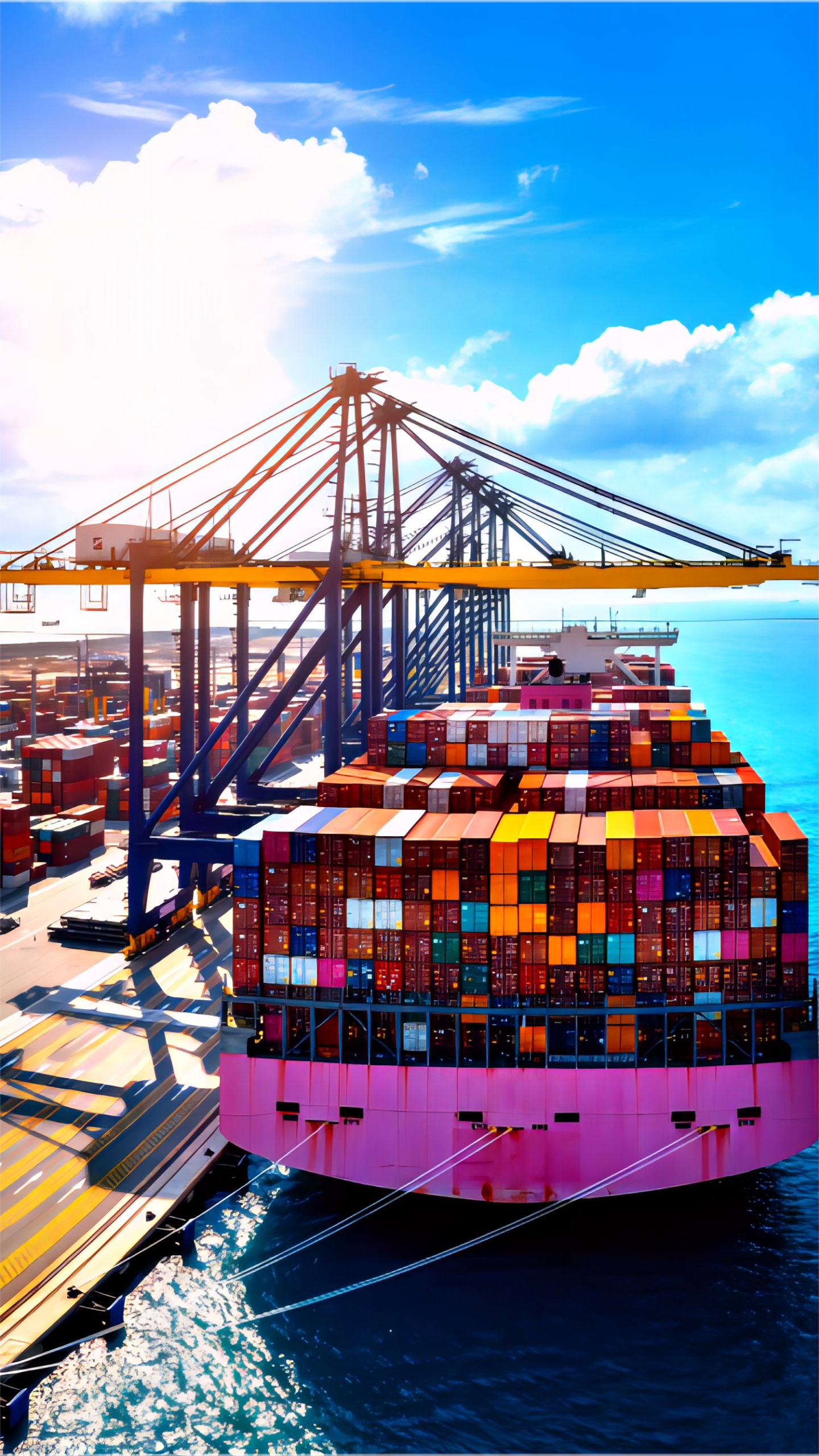
China Container Freight Shipping FCL LCL Global Logistics 2026 Guide
Managing china container freight shipping fcl lcl global logistics requires a strategic approach to navigate the complexities of 2026 trade lanes. Businesses must evaluate multiple factors including transit times, port congestion, and seasonal rate fluctuations to maintain a healthy supply chain. This guide provides the essential insights needed to optimize your shipping strategy from China to the rest of the world. Consequently, understanding the nuances between different shipping modes becomes the foundation for reducing overhead costs and improving delivery reliability in an increasingly competitive market.
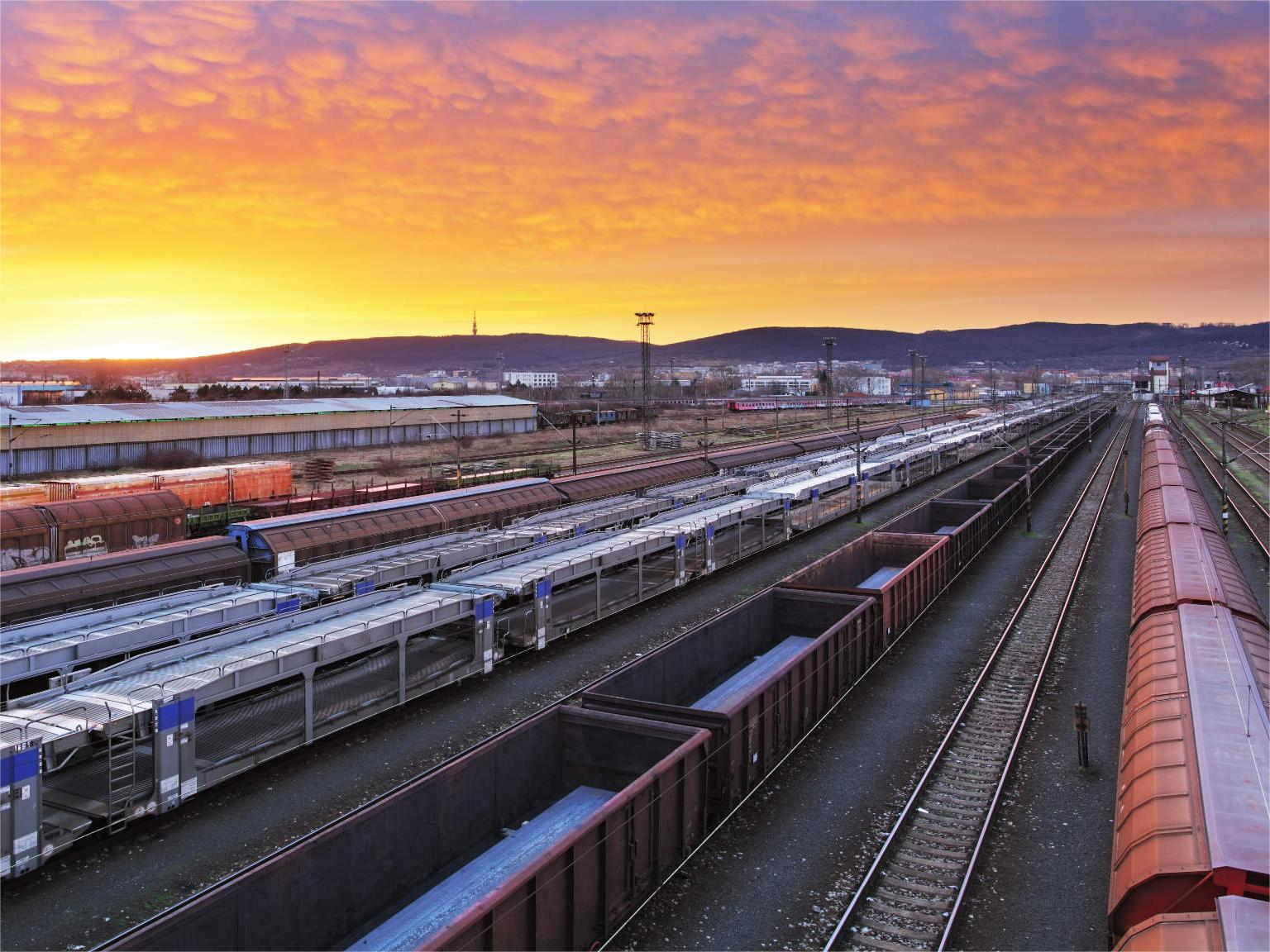
What is the Difference Between FCL and LCL Shipping?
Choosing between Full Container Load and Less than Container Load is the most critical decision for importers. Full Container Load refers to a shipment that occupies an entire container, providing exclusive use of the space and reducing the risk of damage. On the other hand, Less than Container Load involves consolidating multiple shipments into a single container, which is ideal for smaller volumes.
Specifically, sea freight remains the most cost-effective method for high-volume cargo. While FCL offers faster transit times because there is no need for consolidation or deconsolidation, LCL provides flexibility for businesses that do not have enough goods to fill a 20-foot or 40-foot container. Therefore, your choice should depend on the total volume, budget, and urgency of the shipment.
Moreover, the pricing structures for these two methods differ significantly. FCL is usually billed at a flat rate per container, whereas LCL is charged based on the volume in cubic meters or weight. Furthermore, during the peak season of 2026, FCL space may be harder to secure, making early booking essential for maintaining your delivery schedule.
| Feature | FCL Shipping | LCL Shipping |
|---|---|---|
| Best For | Large volumes (15+ CBM) | Small volumes (1-14 CBM) |
| Cost Structure | Flat rate per container | Per CBM or weight unit |
| Transit Time | Faster (Direct) | Slower (Consolidation) |
| Risk Level | Lower (Sealed unit) | Moderate (Mixed cargo) |
When to Choose FCL Over LCL
Importers should opt for FCL when their cargo exceeds 15 cubic meters. This threshold typically makes the flat container rate more economical than paying for individual cubic meters in an LCL shipment. Additionally, FCL is preferred for fragile or high-value goods because the container is sealed at the origin and only opened at the destination.
Nevertheless, LCL is a fantastic solution for startups or businesses testing new products. It allows for smaller, more frequent shipments which can help in managing inventory levels more effectively. As a result, many companies utilize a hybrid approach, using LCL for samples and FCL for bulk inventory replenishment.
How Does China Container Freight Shipping Compare to Other Shipping Options?
Evaluating all available transport modes is essential for building a resilient global logistics network. While ocean freight is the backbone of international trade, air freight offers unparalleled speed for urgent deliveries. In contrast, rail and express services provide middle-ground solutions that balance cost and lead time.
For instance, a shipment from Shanghai to Rotterdam via sea might take 35 days, whereas air freight could deliver it in just 5 days. However, the cost of air transport is often five to ten times higher than sea freight. Consequently, logistics managers must weigh the importance of speed against the impact on profit margins.
Meanwhile, hybrid solutions like sea-air or rail-sea have gained popularity in 2026. These methods allow businesses to bypass port congestion while keeping costs lower than pure air transport. Indeed, the diversification of shipping routes is a key trend in modern supply chain management.
| Shipping Method | Cost Range | Transit Time | Best For |
|---|---|---|---|
| Sea (FCL) | $1,800 – $6,000 | 14 – 45 Days | Bulk Goods |
| Air Freight | $4.50 – $9.00/kg | 3 – 7 Days | Urgent Items |
| Rail Freight | $80 – $160/CBM | 18 – 25 Days | Mid-value Goods |
| Express | $7.00 – $12.00/kg | 2 – 5 Days | Small Parcels |

Cost-Saving Strategies for Global Logistics in 2026
Implementing smart logistics strategies can significantly reduce your landed costs. One effective method is utilizing rail freight for land-locked destinations in Europe, which often proves cheaper than air and faster than sea. Furthermore, consolidating multiple LCL shipments into a single FCL at a China-based warehouse can save hundreds of dollars in documentation fees.
Additionally, businesses should pay close attention to the Incoterms used in their contracts. Terms like FOB (Free on Board) allow the buyer to have more control over the shipping costs and carrier selection compared to CIF (Cost, Insurance, and Freight). Therefore, negotiating the right terms with your supplier is a vital step in cost optimization.
Another strategy involves optimizing packaging to maximize container utilization. By reducing empty space within boxes and pallets, you can fit more units into a single container. Consequently, the shipping cost per unit decreases, directly improving your bottom line.
Navigating Customs Brokerage and Documentation
Ensuring all paperwork is accurate is the best way to avoid expensive delays at the port. Professional customs brokerage services are essential for navigating the complex regulations of different countries. For example, missing a single Harmonized System (HS) code can lead to shipment seizures or heavy fines.
Commonly required documents include the Bill of Lading, Commercial Invoice, and Packing List. In addition to these, certain products may require certificates of origin or specific safety permits. Meanwhile, staying updated on the latest trade agreements can help you take advantage of reduced duty rates.
Without a doubt, digital documentation is becoming the standard in 2026. Many customs authorities now require electronic filings well before the vessel arrives at the port of discharge. Accordingly, working with a tech-savvy freight forwarder ensures that your data is transmitted accurately and on time.
| Document Name | Purpose | Required By | Criticality |
|---|---|---|---|
| Bill of Lading | Title to goods | Carrier/Customs | High |
| Commercial Invoice | Valuation for duty | Customs | High |
| Packing List | Cargo details | Warehouse/Customs | Medium |
| CO (Cert. Origin) | Trade agreements | Customs | Varies |
Real Case Studies: Successful Logistics Operations
Analyzing real-world examples helps in understanding the practical application of shipping strategies. Below are two scenarios based on typical 2025 and 2026 market conditions that illustrate how different businesses handle their cargo.
Case Study 1: Electronics from Shenzhen to Los Angeles. Route: Shenzhen Port to Port of Los Angeles. Cargo: Consumer Electronics, 28 CBM, 4500 kg. Container: 40GP. Shipping Details: Direct service via major carrier. Ocean Freight: $3,200. Origin Charges: $450. Destination Charges: $600. Total Landed Cost: $4,250. Timeline: 16 days port-to-port. Key Insight: Booking 3 weeks in advance secured a lower rate during the pre-Lunar New Year rush.
Case Study 2: Furniture from Ningbo to Hamburg. Route: Ningbo Port to Hamburg Port. Cargo: Wooden Furniture, 12 CBM. Container: LCL. Shipping Details: Transshipment via Singapore. Ocean Freight: $960 ($80/CBM). Origin Charges: $300. Destination Charges: $550. Total Landed Cost: $1,810. Timeline: 38 days door-to-door. Key Insight: LCL was chosen because the volume did not justify a full 20GP container, saving the client over $700 in freight costs.
Note: Freight rates are subject to change based on fuel costs, carrier capacity, and seasonal demand. Contact us for a current quote tailored to your specific shipment.
Which Shipping Option Should You Choose?
Deciding on the right logistics path depends on your specific business priorities. If your primary goal is to minimize costs and you have a flexible timeline, sea freight is the clear winner. However, if you are launching a new product and need to hit a specific marketing date, the speed of air or express services is worth the premium.
Specifically, consider the nature of your cargo. Perishable goods or high-fashion items require the rapid transit times of air transport. On the contrary, heavy machinery or raw materials are best suited for FCL shipping. Ultimately, a balanced approach that uses different modes for different product lines often yields the best results.
Furthermore, the destination plays a significant role in the decision. For shipments to landlocked regions, door to door services that combine sea and truck transport provide the most convenience. Consequently, you should look for a logistics provider that offers end-to-end visibility and support.

Final Thoughts on Global Logistics Strategy
To summarize, mastering <a href=”https://alibabafreight.com/”>china container freight shipping fcl lcl global logistics</a> is an ongoing process of adaptation and optimization. By understanding the differences between FCL and LCL, comparing various transport modes, and staying ahead of market trends, you can build a more efficient supply chain. Moreover, the integration of professional customs brokerage and diverse shipping routes will protect your business from unforeseen disruptions.
As we move through 2026, the importance of data-driven logistics and strategic partnerships cannot be overstated. Whether you are shipping small batches or large industrial loads, the right freight strategy will enhance your global competitiveness. Therefore, continue to evaluate your shipping methods regularly to ensure they align with your evolving business goals.
Ready to streamline your logistics?
Ready to optimize your supply chain with expert china container freight shipping fcl lcl global logistics? Our team provides tailored solutions to ensure your cargo arrives safely and on time. Visit alibabafreight.com to request a personalized quote today or Send Inquiry to start your journey.
Request Quote