China Logistics Export Import Shipping Customs Warehouse Service
Navigating the complexities of china logistics export import shipping customs warehouse service requires precision and up-to-date market intelligence. As we enter 2026, global trade dynamics demand more agile solutions for businesses moving goods across borders. This comprehensive guide explores how to streamline your operations, reduce overhead, and ensure your cargo reaches its destination without unnecessary delays.
What is the Current State of China Logistics Export Import Shipping Customs Warehouse Service?
Global trade in 2026 has transitioned toward highly digitized and integrated supply chain models. Companies now prioritize transparency and real-time tracking to maintain a competitive edge in the marketplace. Consequently, the reliance on a robust china logistics export import shipping customs warehouse service has never been more critical for international success.
Market conditions have stabilized following the volatile shifts of previous years, yet fuel surcharges and port efficiency remain key variables. Moreover, the integration of AI in route optimization has allowed carriers to offer more predictable transit times. Therefore, choosing a partner that understands these technological shifts is essential for modern importers.
Sustainability also plays a major role in today’s logistics landscape, with many shippers opting for greener transport methods. Additionally, the rise of regional trade blocs has altered traditional shipping lanes, making local expertise invaluable. Indeed, successful businesses are those that leverage data-driven insights to navigate these changes.
How Does Sea Freight Compare to Other Shipping Options?
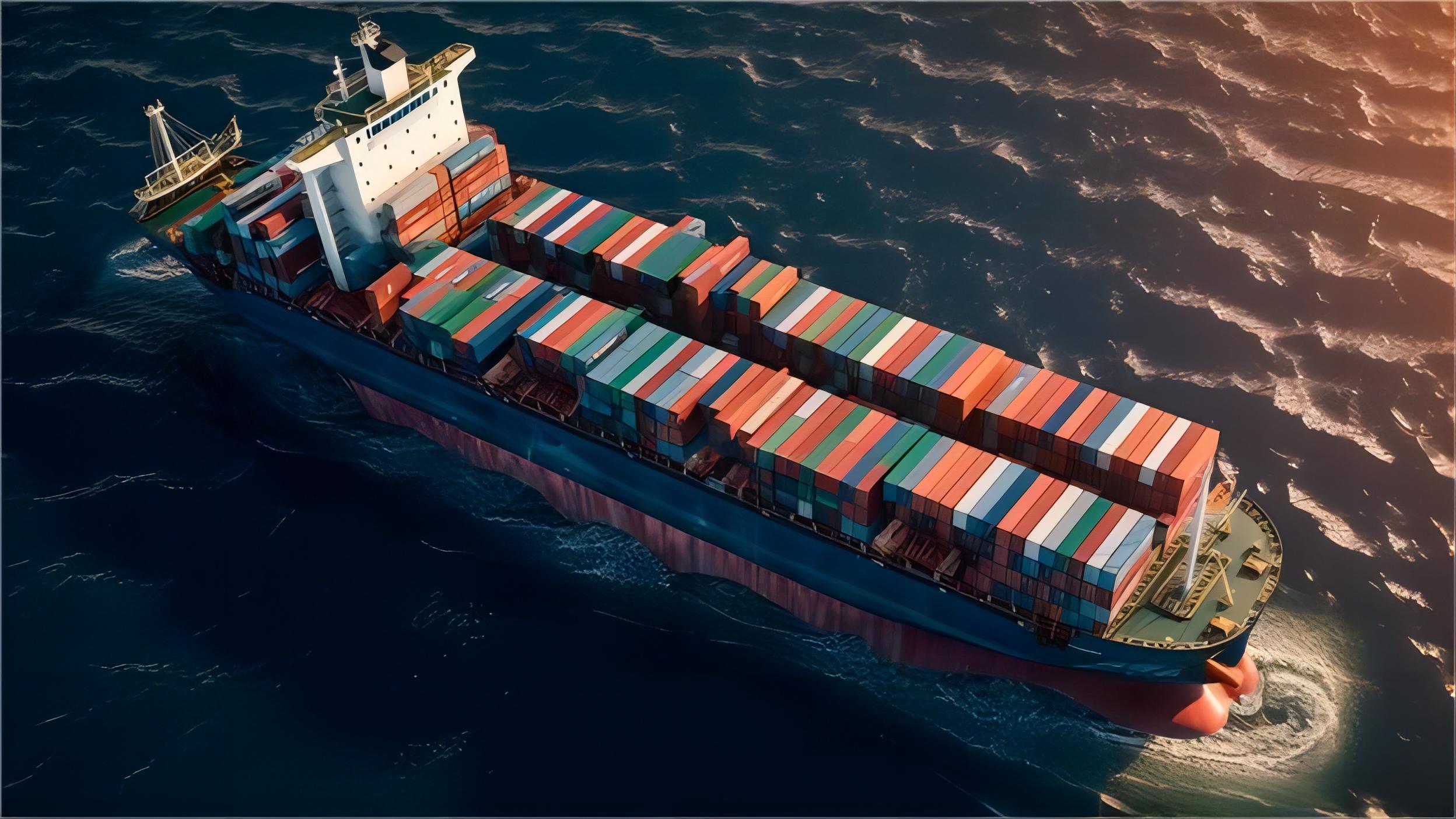
Selecting the right transport mode is the foundation of any successful import or export strategy. For most large-scale shipments, sea freight remains the most cost-effective solution available today. While it offers the lowest price per unit, it requires careful planning due to longer transit times.
In contrast, businesses with urgent inventory needs often look toward faster alternatives despite the higher costs involved. For instance, high-value electronics or seasonal fashion items rarely stay in transit for weeks. Consequently, a hybrid approach often yields the best balance between budget and speed.
Typical rates as of early 2026 suggest that ocean freight remains significantly cheaper than air transport for bulk commodities. However, port congestion can occasionally disrupt even the most well-planned schedules. Without a doubt, understanding the trade-offs between different methods is vital for cost control.
| Shipping Method | Cost Range | Transit Time | Best For |
|---|---|---|---|
| Sea Freight | $1,800 – $4,500 | 25 – 40 Days | Bulk goods, FCL |
| Air Freight | $5.50 – $12.00/kg | 3 – 7 Days | Urgent, high-value |
| Rail Freight | $2,500 – $5,000 | 15 – 22 Days | Mid-range budget |
| Express | $8.00 – $15.00/kg | 2 – 4 Days | Small samples |
Maximizing Speed with Air Freight Solutions
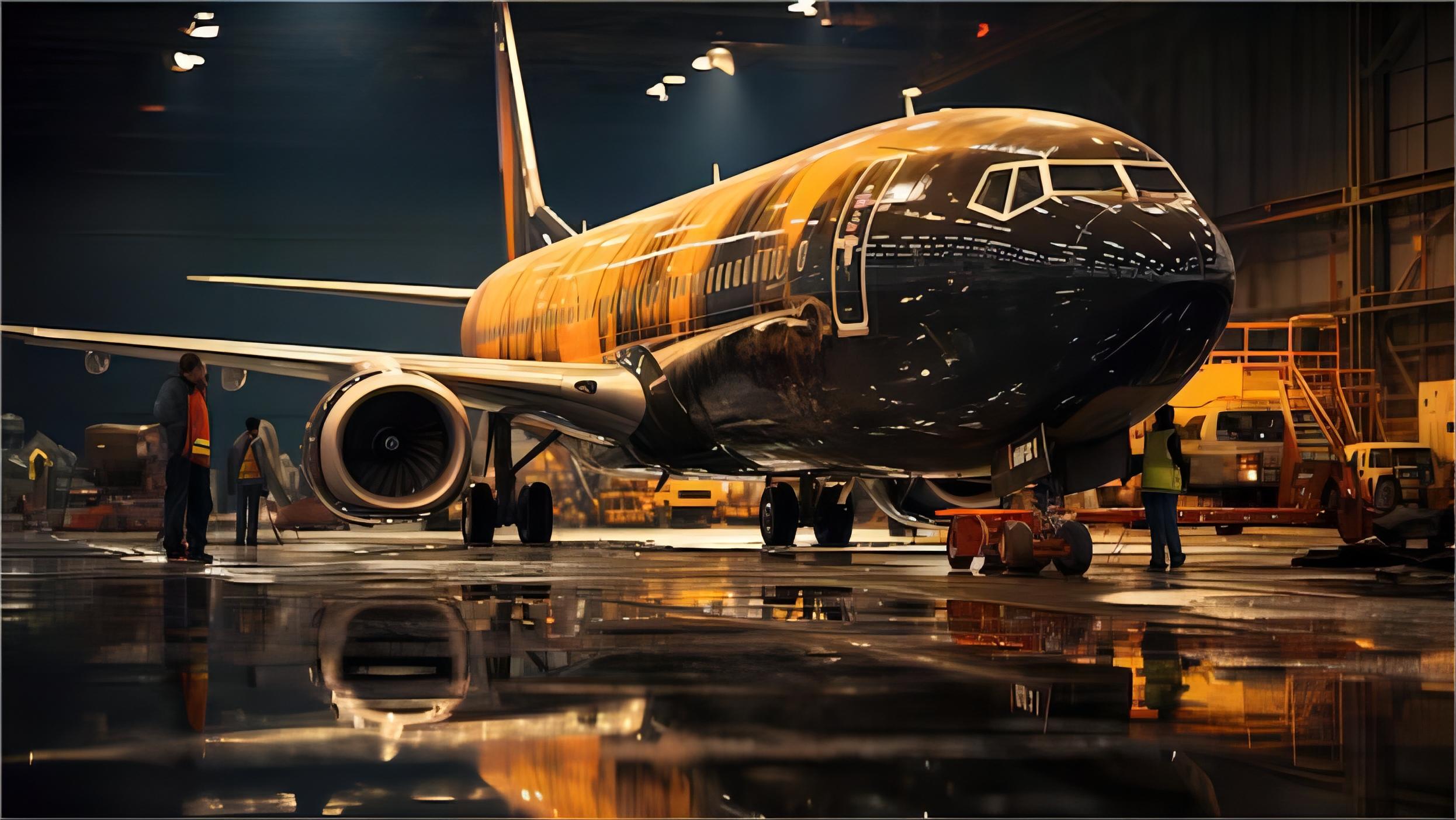
When time is the primary constraint, air freight provides the necessary velocity to keep supply chains moving. This method is particularly effective for perishable goods or components required for just-in-time manufacturing. Furthermore, the security protocols at airports reduce the risk of theft for sensitive cargo.
Airlines have increased their cargo capacity in 2026, leading to more competitive rates on major routes from China. Nevertheless, shippers must account for terminal handling fees and local delivery costs which can add up quickly. Accordingly, calculating the total landed cost is necessary before committing to an air shipment.
Indeed, many e-commerce brands utilize air transport to maintain low inventory levels while responding quickly to consumer trends. Meanwhile, logistics providers have streamlined the ground handling process to minimize delays. As a result, the gap between booking and delivery has narrowed significantly this year.
The Strategic Advantage of Rail Freight for Eurasia
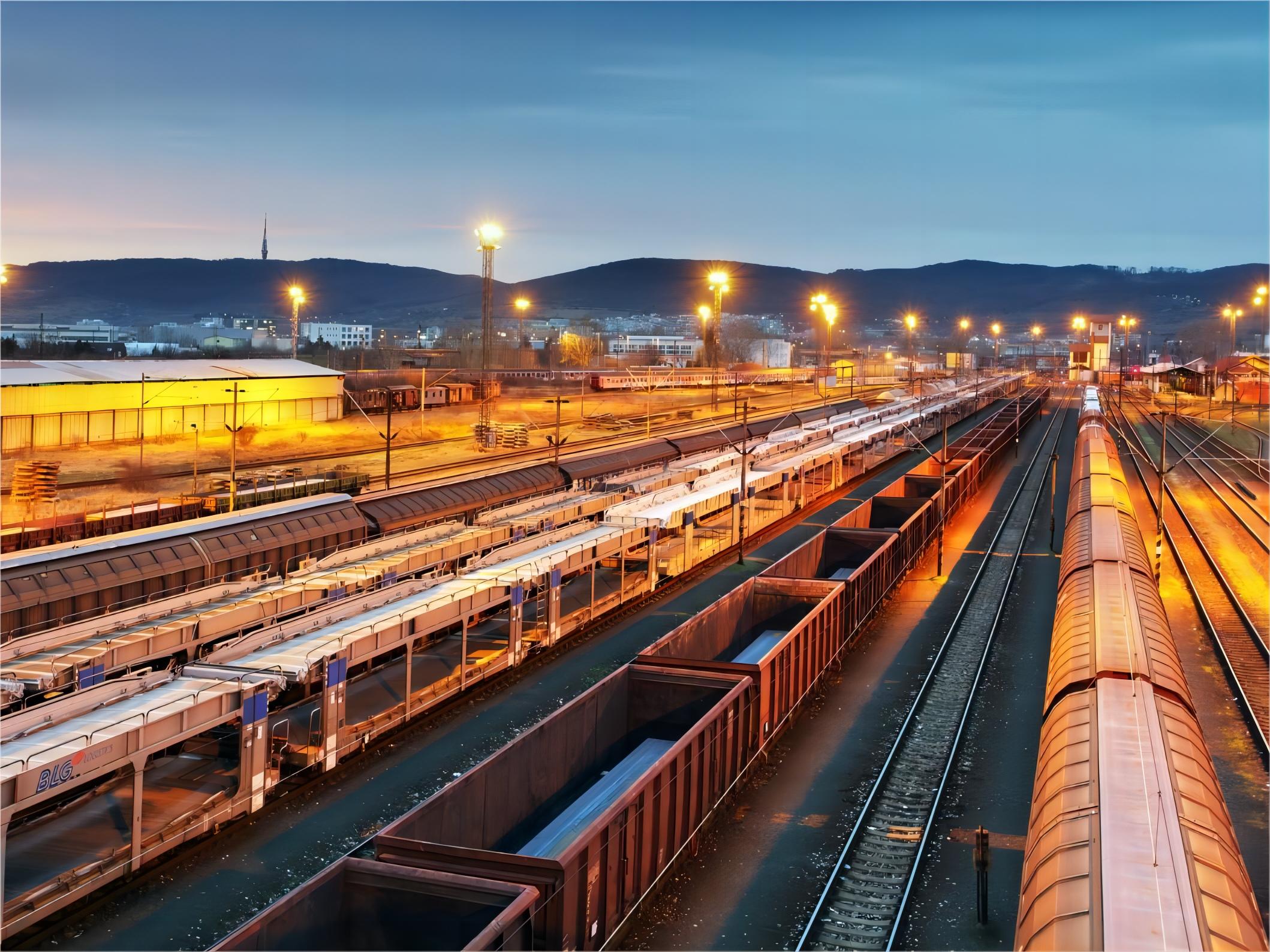
For shipments moving between China and Europe, rail freight offers a compelling middle ground. It is faster than sea transport and considerably more affordable than air transit. Consequently, it has become a staple for automotive and machinery industries seeking efficiency.
The expansion of the New Silk Road has improved infrastructure across Central Asia, leading to higher reliability in 2026. Moreover, rail transport is often cited as a more environmentally friendly alternative to air shipping. Therefore, it appeals to corporations with strict carbon footprint targets.
However, it is important to note that rail freight is not an option for routes to North America or Australia. Shippers should evaluate the specific geography of their destination before choosing this mode. In addition, rail containers are subject to different loading requirements than ocean-going vessels.
Navigating Customs Brokerage and Compliance
The complexity of international trade laws makes a professional customs brokerage service indispensable. Errors in documentation can lead to costly fines, seizures, or significant delivery delays at the border. Furthermore, 2026 regulations have introduced stricter digital filing requirements for all imports.
Customs officials now utilize advanced scanning and data analysis to identify high-risk shipments more effectively. Consequently, ensuring that your HS codes and valuations are accurate is the only way to avoid scrutiny. Meanwhile, bonded warehouses allow importers to defer duty payments until the goods are ready for domestic sale.
Indeed, working with an experienced broker helps navigate the nuances of free trade agreements and tariff exemptions. Additionally, they provide guidance on restricted items and mandatory certifications required for specific markets. As a result, compliance becomes a strategic advantage rather than a bureaucratic hurdle.
| Document Name | Purpose | Required By | Criticality |
|---|---|---|---|
| Commercial Invoice | Valuation/Tax | Customs | High |
| Packing List | Cargo Detail | Warehouse | High |
| Bill of Lading | Title/Contract | Carrier | High |
| Cert. of Origin | Duty Relief | Customs | Medium |
Optimizing Warehouse Service and Inventory Management
A modern warehouse service in China does more than just store boxes; it acts as a hub for value-added activities. These facilities now offer kitting, labeling, and quality control inspections before the goods ever leave the country. Consequently, businesses can ensure product quality at the source, reducing return rates.
Consolidated shipping is another major benefit of utilizing a strategic warehouse location near major ports like Ningbo or Shanghai. By combining orders from multiple suppliers into a single container, importers can significantly lower their freight costs. Moreover, real-time inventory systems provide visibility into stock levels from anywhere in the world.
For e-commerce sellers, specialized fulfillment centers handle the complexities of individual order picking and packing. Furthermore, these warehouses are often located in duty-free zones, allowing for more flexible global distribution. Indeed, the right storage strategy is a key component of the china logistics export import shipping customs warehouse service.

Streamlining Deliveries with Door to Door Solutions
Many modern importers prefer a door to door service to simplify their entire supply chain. This comprehensive model covers everything from the initial pickup at the factory to the final delivery at the customer’s warehouse. As a result, the business owner can focus on sales rather than logistics management.
This approach eliminates the need to coordinate with multiple vendors, reducing the risk of communication breakdowns. Additionally, it provides a single point of accountability for the entire journey of the cargo. Therefore, it is often the preferred choice for small to medium-sized enterprises.
For those targeting specific regions, such as shipping to North America, door-to-door services often include final-mile trucking. This ensures that the transition from the port to the inland destination is seamless and efficient. In contrast, managing these steps individually can be both time-consuming and expensive.
Which Option Should You Choose? A Decision Framework
Deciding on the best logistics strategy depends on your specific business priorities, cargo volume, and budget constraints. If cost reduction is your primary goal, ocean freight remains the undisputed leader for large shipments. However, if you are launching a new product and need immediate market presence, air freight is the better investment.
For shipments under 15 CBM, LCL (Less than Container Load) at $60-90/CBM may be more economical than paying for a full 20GP container. Meanwhile, if your cargo is roughly 25-30 CBM, upgrading to a full container often provides better security and faster handling. Consequently, volume thresholds should dictate your container choice.
Hybrid solutions, such as sea-air combinations, offer a tactical alternative when direct air is too expensive but sea is too slow. For instance, shipping by sea to a hub like Dubai and then by air to Europe can save 40% on costs compared to pure air freight. Without a doubt, flexibility is the hallmark of a sophisticated logistics plan.
Real-World Logistics Case Studies 2026
Case Study 1: Electronics Distribution to Europe Route: Shenzhen, China to Rotterdam, Netherlands Cargo: Consumer Electronics, 18 CBM, 4,500 kg Container: LCL Shipment Shipping Details: – Carrier: Major Ocean Carrier – Port of Loading: Shenzhen – Port of Discharge: Rotterdam – Route Type: Direct Cost Breakdown: – Ocean Freight: $1,250 – Origin Charges: $350 – Destination Charges: $450 – Total Landed Cost: $2,050 Timeline: – Sea Transit: 32 days – Total Door-to-Door: 40 days Key Insight: Using a bonded warehouse in Shenzhen allowed the shipper to consolidate components from three different factories before export.
Case Study 2: Industrial Machinery to North America Route: Shanghai, China to Long Beach, USA Cargo: CNC Machinery, 28 CBM, 12,000 kg Container: 40GP Shipping Details: – Carrier: COSCO – Port of Loading: Shanghai – Port of Discharge: Long Beach – Route Type: Direct Cost Breakdown: – Ocean Freight: $3,400 – Origin/Destination Fees: $900 – Customs Duties: $2,200 – Total Landed Cost: $6,500 Timeline: – Sea Transit: 16 days – Total Door-to-Door: 24 days Key Insight: Booking 3 weeks in advance secured a rate 15% lower than the Q4 peak season average.
Mastering Your Global Supply Chain
Successfully managing a china logistics export import shipping customs warehouse service is the key to scaling your international business in 2026. By understanding the nuances of different transport modes and the importance of customs compliance, you can avoid the common pitfalls of global trade. Furthermore, leveraging strategic warehousing and door-to-door services provides the operational efficiency needed to compete in a fast-paced market.
Always remember that freight rates and regulations are subject to change based on global economic conditions. Therefore, maintaining a relationship with a reliable logistics partner is your best defense against uncertainty. Start planning your next shipment with confidence and take control of your supply chain today.
Need a tailored shipping solution?
Maximize your profit margins by optimizing your china logistics export import shipping customs warehouse service today. Contact our team for a personalized quote and expert guidance on your next shipment. Send Inquiry